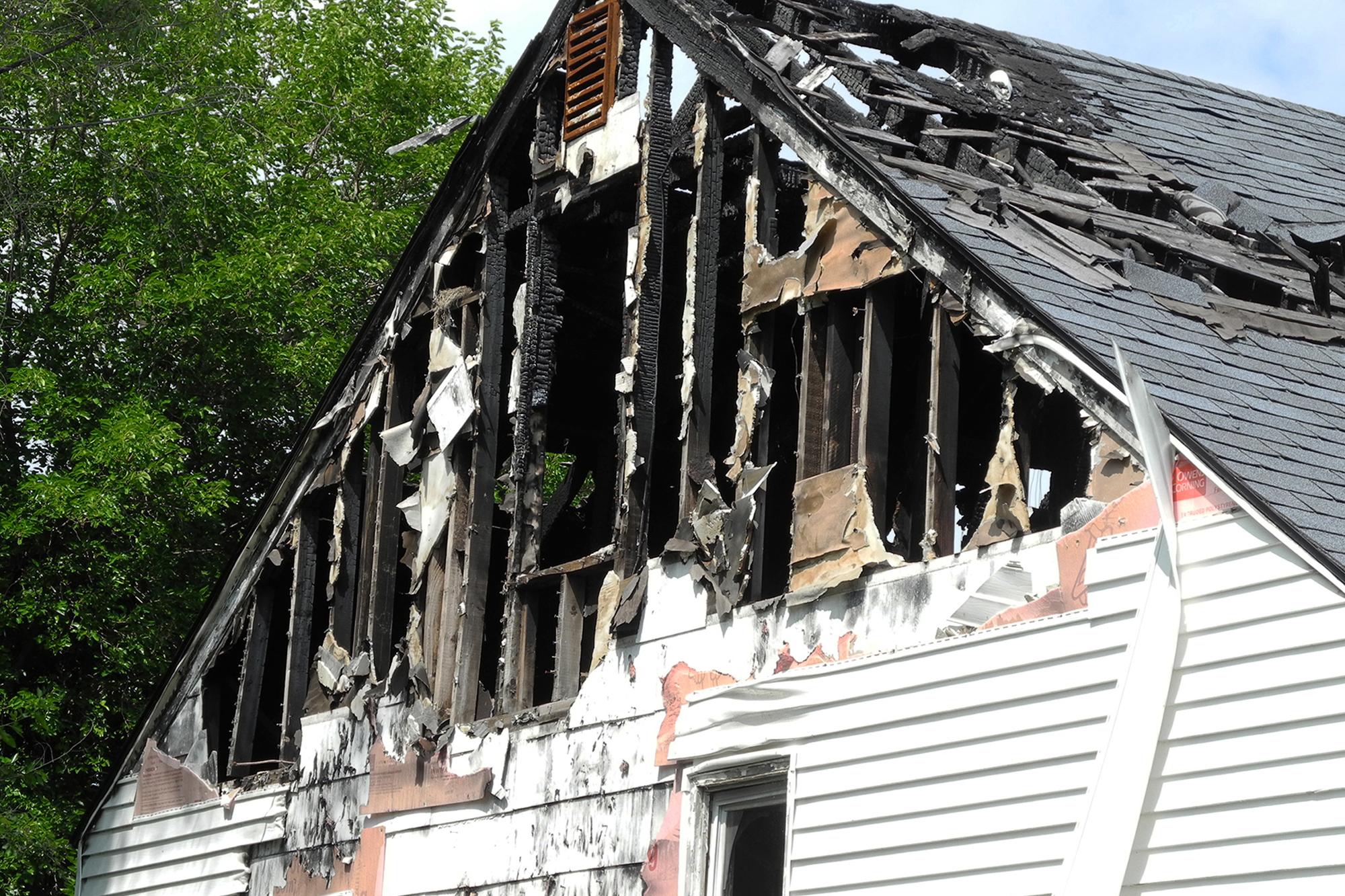
According to the 2026 LexisNexis U.S. Home Trends Report, the insurance industry is grappling with a widening gap between claim volume and cost. While total claim frequency fell by 23.8% in 2025, the severity of those incidents has climbed 93.2% since 2019. This trend is largely attributed to the compounding effects of inflation on labor and materials, alongside increasingly volatile weather patterns.
Fire and lightning claims emerged as the year's most damaging perils, with costs jumping 76.8%. The January 2025 Los Angeles wildfires were the primary driver of this spike, resulting in $61.2 billion in damages. This single event stands as the costliest wildfire in U.S. history, underscoring how localized climate disasters can disrupt national loss trends. Meanwhile, liability claims also saw a 12.8% rise in severity, a shift experts link to social inflation and escalating litigation costs.
George Hosfield, vice president at LexisNexis Risk Solutions, noted that insurers are facing a perfect storm of replacement costs and environmental uncertainty. He argues that broad market trends are no longer sufficient for underwriting. Instead, carriers must pivot toward granular, property-level intelligence to assess individual risk factors such as home fortification and specific interior vulnerabilities to navigate this volatile landscape.



Comments (0)
No comments yet. Be the first!