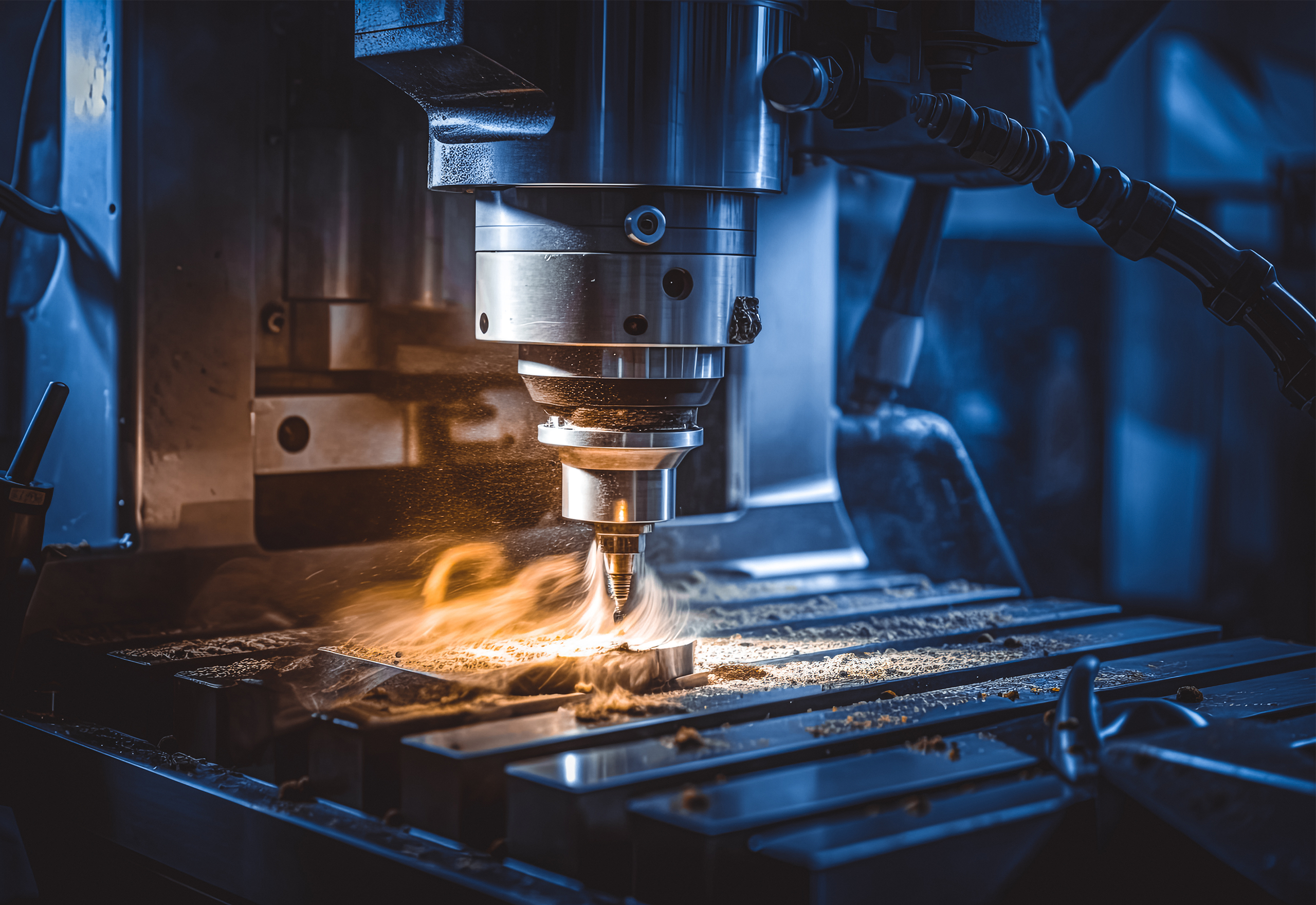
Modern manufacturing is shifting toward higher complexity, necessitating a transition to multi-axis machining centers and hybrid systems. Companies are increasingly integrating AI-assisted processes and predictive analytics to boost equipment effectiveness and mitigate unplanned downtime. These technological upgrades aim to satisfy a global push for shorter supply chains and more resilient production environments.
Milling machines remain the backbone of this evolution, maintaining the largest market share due to their versatility across diverse industries like medical devices and energy. To capture this demand, manufacturers are expanding their portfolios; for instance, Okuma Europe introduced a new range of vertical and 5-axis centers in 2025. Meanwhile, the distribution landscape is evolving to support emerging manufacturing hubs. Dealers are playing a pivotal role in regions such as India and Southeast Asia, where local sales channels provide not just equipment, but critical financing and inventory support. This trend is exemplified by Marubeni Corporation’s recent expansion into India to capitalize on local industrial initiatives.
Geographically, the Asia Pacific region stands out as the primary growth engine. Sustained investments in factory modernization and automated machining across China, Japan, and South Korea continue to reinforce the region’s leadership. As manufacturers prioritize localized production, the reliance on high-productivity machine tools is expected to sustain this trajectory throughout the coming decade.



Comments (0)
No comments yet. Be the first!