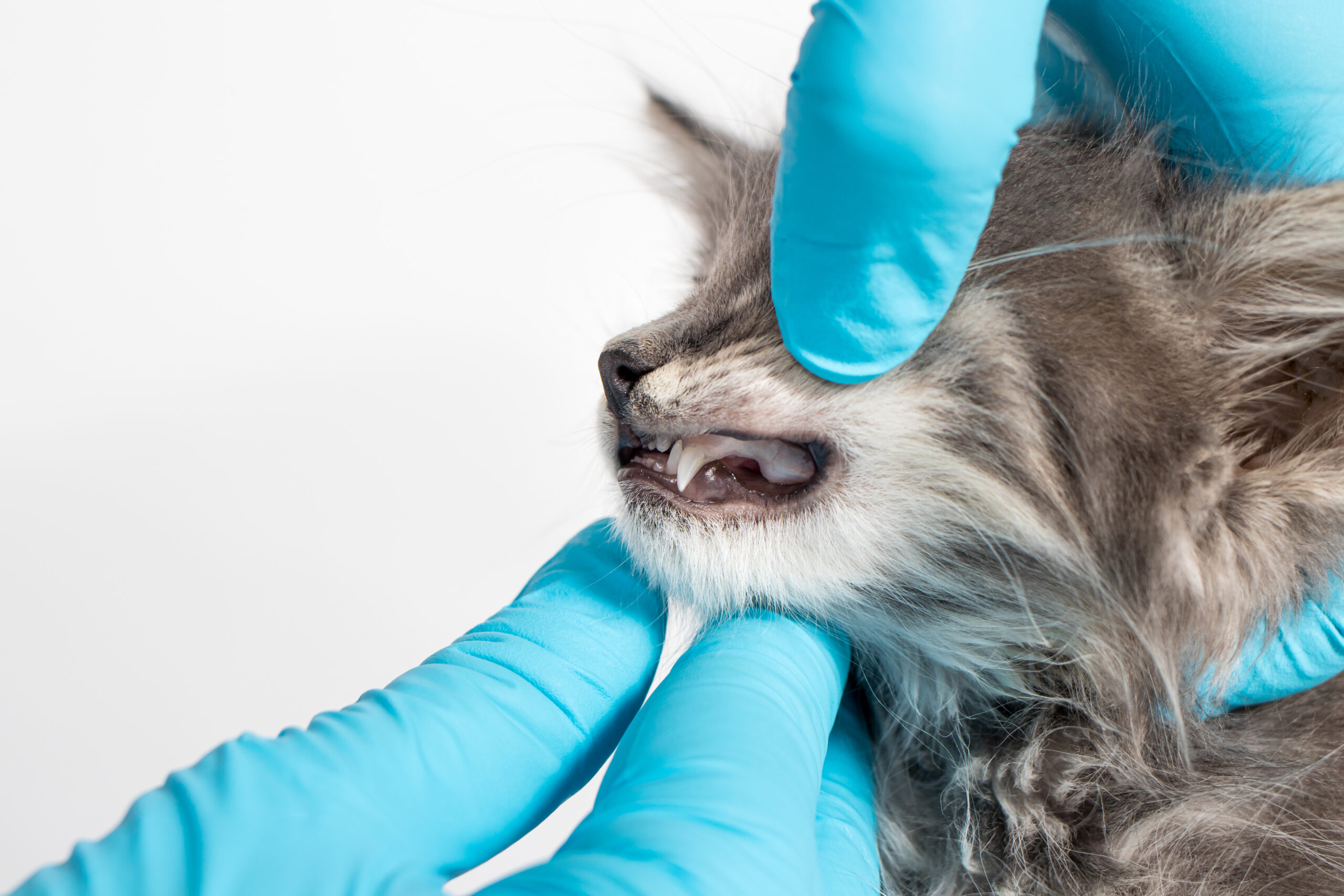
Dental disease remains one of the most prevalent health issues in small animals, yet it is often ignored until irreversible damage occurs. Bacteria accumulating beneath the gumline do not stay localized to the mouth; if left untreated, they can enter the bloodstream and cause secondary infections in vital organs. Because animals are adept at masking discomfort, owners must look beyond obvious signs like tooth loss and monitor for subtle behavioral shifts, including changes in chewing patterns or an unexplained reluctance to eat.
Professional intervention is the only way to effectively manage this risk. While home habits like brushing or specialized dental diets provide a baseline for hygiene, they cannot replace clinical cleanings. Dr. Hutson emphasizes that these procedures are not cosmetic luxuries but essential preventive medicine, comparable to routine vaccinations. Small breeds are particularly vulnerable due to overcrowded teeth, meaning early intervention and consistent professional monitoring are vital to maintaining a pet's quality of life as they age.




Comments (0)
No comments yet. Be the first!