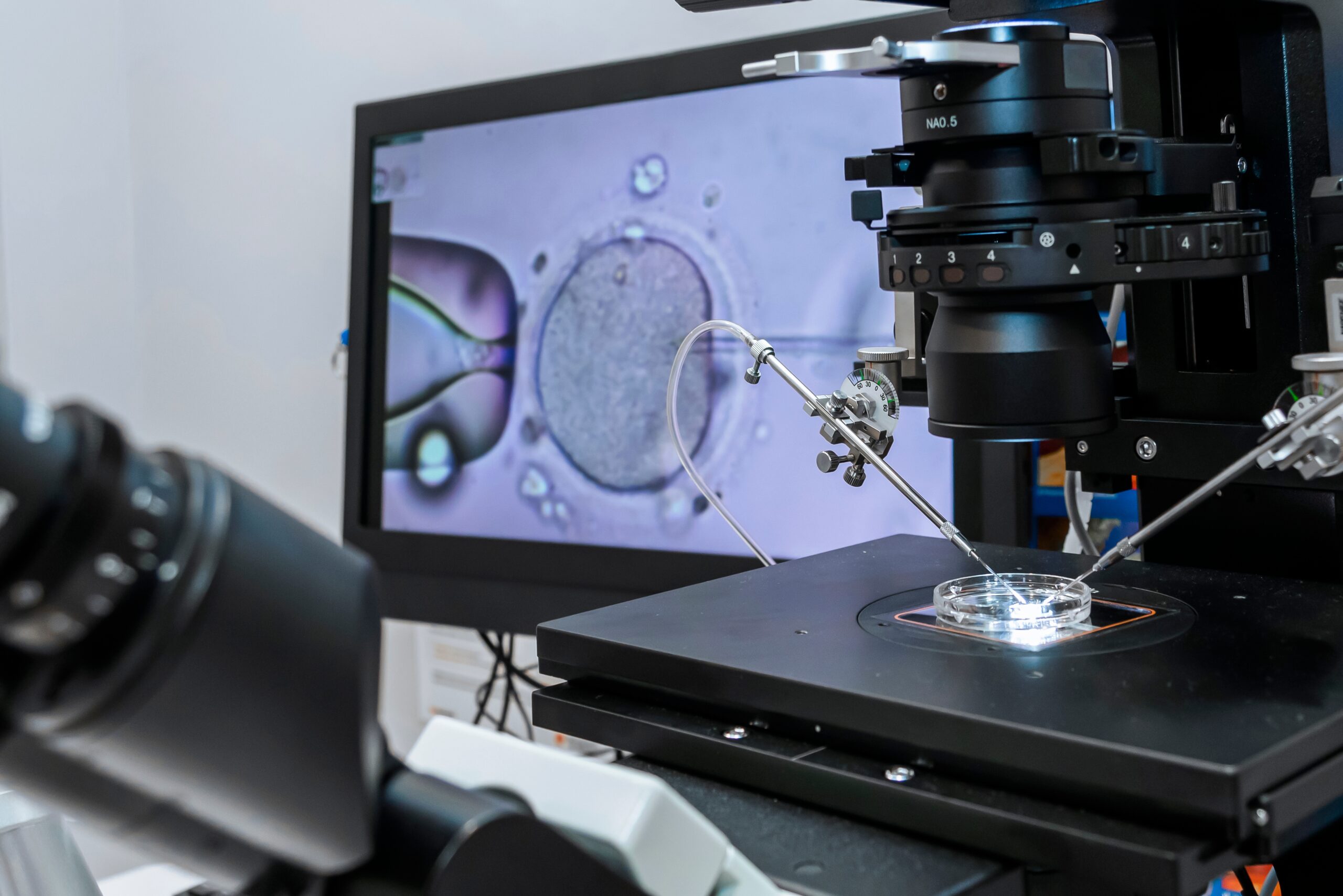
The analysis, conducted by the Taiwan IVF Group and Ton Yen General Hospital in collaboration with Stanford University’s Professor Barry Behr, synthesized data from 2010 to 2022. By integrating environmental records from NASA, the World Health Organization, and the European Environment Agency, the team identified a consistent trend: regions with elevated pollution experienced clinical pregnancy rates 5–12% lower than cleaner areas, while live-birth rates dropped by 4–10%.
Jeffrey Zi Kang Huang, a student at Taipei American School who presented the findings, utilized AI-driven analytical methods to reconcile large-scale datasets across international borders. The project highlights the increasing utility of artificial intelligence in detecting environmental health patterns that influence reproductive success. Professor Behr noted that the work serves as a critical indicator that air quality is a modifiable factor in fertility outcomes, while also underscoring the necessity of international academic collaboration in modern biomedical research.




Comments (0)
No comments yet. Be the first!