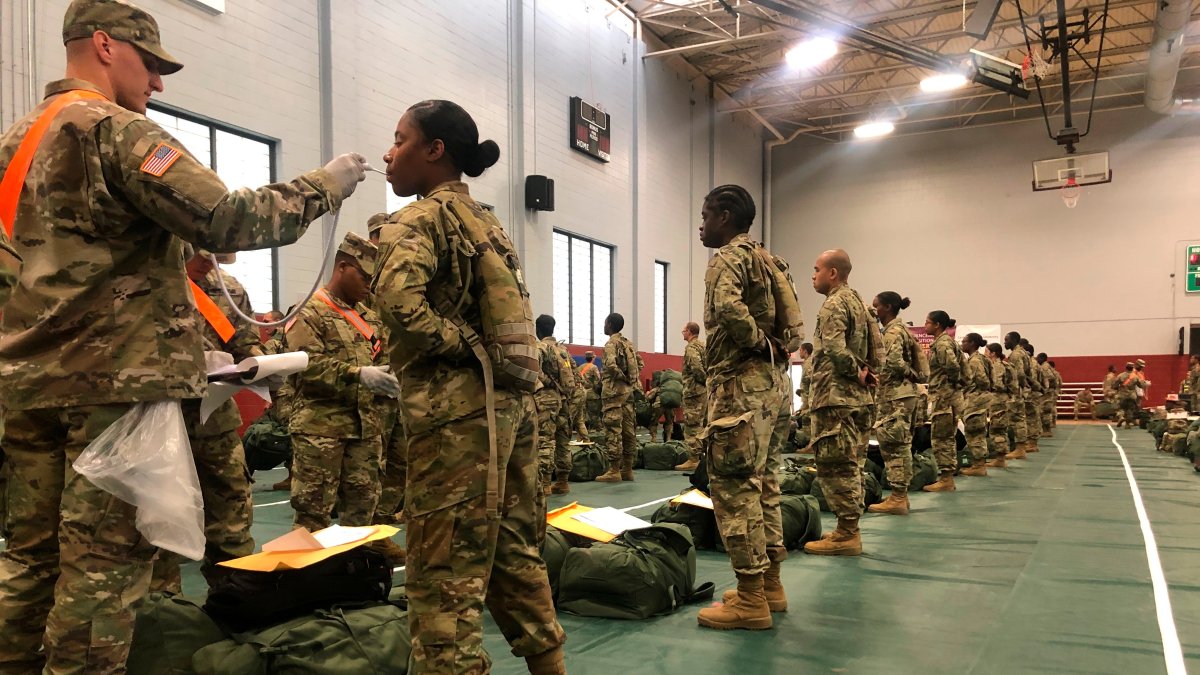
Starting September 1, 2026, the four-year project, titled "Urinary Proteomic Biomarkers of Adaptive Bone Formation and Stress Injuries in Military Recruits," will focus on identifying protein biomarkers that signal bone damage. Current diagnostic protocols often rely on expensive and time-consuming imaging like MRIs and radiographs, which delay treatment and pull personnel from active duty. The team intends to replace these hurdles with a clinically actionable panel that identifies recruits at risk early in their training.
Shawn D. Flanagan, director of the Human Performance Laboratory at RFU, and Chris Connaboy of Old Dominion University will lead the effort, utilizing longitudinal cohorts to validate their findings. By incorporating gender-specific analysis and advanced proteomic techniques, the researchers aim to provide a scalable tool that improves both individual recruit health and broader operational readiness. The work is funded through the U.S. Department of War’s Peer Reviewed Medical Research Program.




Comments (0)
No comments yet. Be the first!