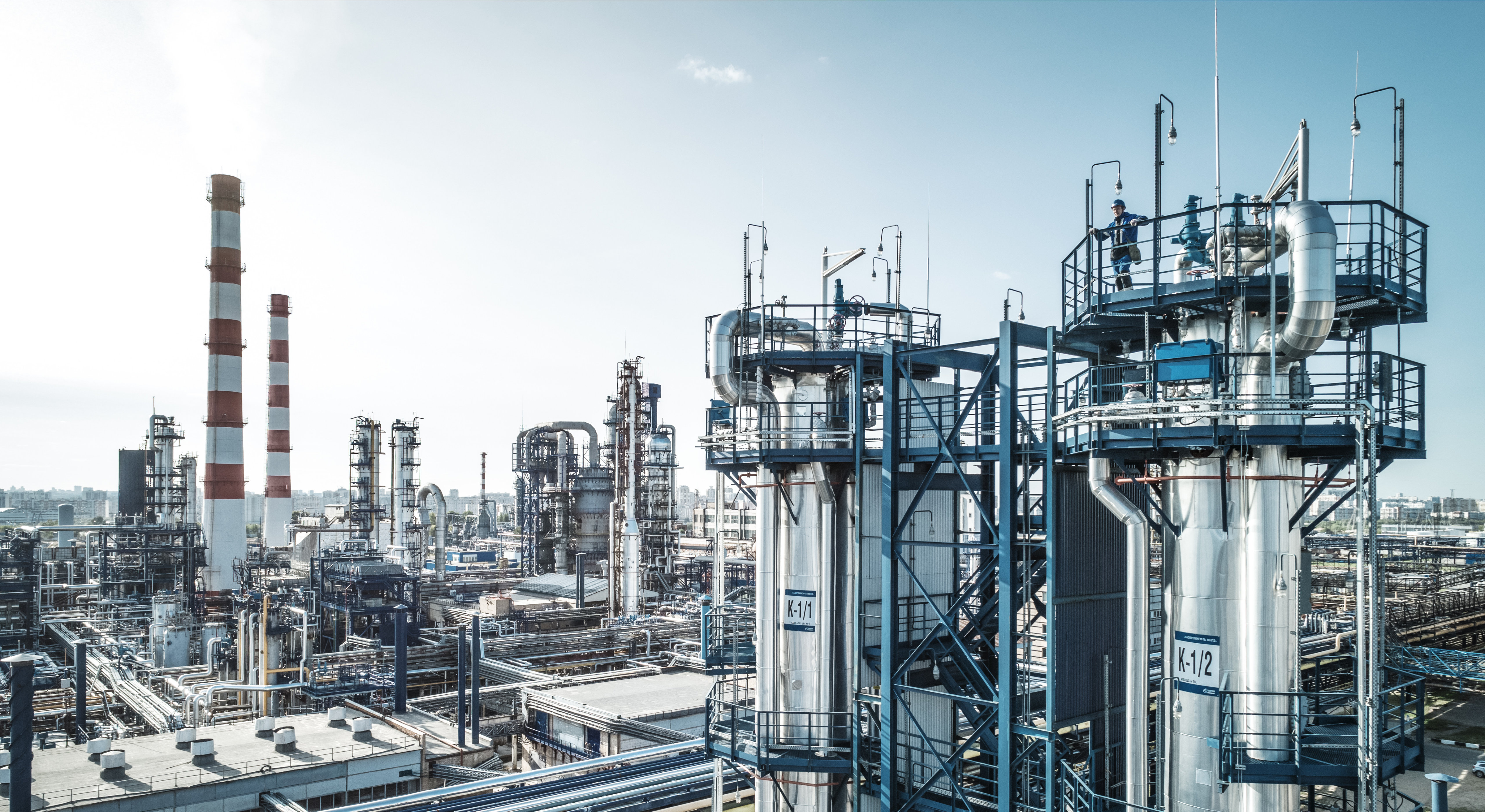
The surge in strikes targeted critical infrastructure across vast distances, including the 440,000-barrel-per-day Omsk refinery located over 2,500 kilometers from the border. According to analyst Sergei Vakulenko, the intensity of these operations forced a shift in tactics, with Ukrainian forces pivoting from initial refinery bombardments to destabilizing export logistics and tanker traffic by late July.
This disruption has created a bottleneck for the Russian energy sector. To mitigate domestic fuel shortages caused by refinery outages, the Kremlin extended a ban on diesel and gasoline exports. Meanwhile, the logistical strain on export hubs like Novorossiysk has intensified; tanker activity at the port dropped significantly in late July. Jorge Leon of Rystad Energy noted that while Russia attempts to reroute crude through Baltic ports, existing pipeline and storage capacity remains insufficient to fully offset the loss of Black Sea export volume.




Comments (0)
No comments yet. Be the first!