
Russia has integrated its GLONASS satellite navigation into Iranian drones, allowing them to bypass Western electronic jamming. When combined with China's BeiDou-3 technology, these weapons systems operate on diverse radio frequencies that standard defensive measures cannot block. This technological synergy provides Iranian forces with unprecedented precision against U.S. bases and allied infrastructure. Simultaneously, the recent acquisition of 400 Chinese-made Man-Portable Air-Defence Systems (MANPADS) gives Tehran the ability to threaten low-flying aircraft and drones with weapons that are both highly accurate and difficult to detect.
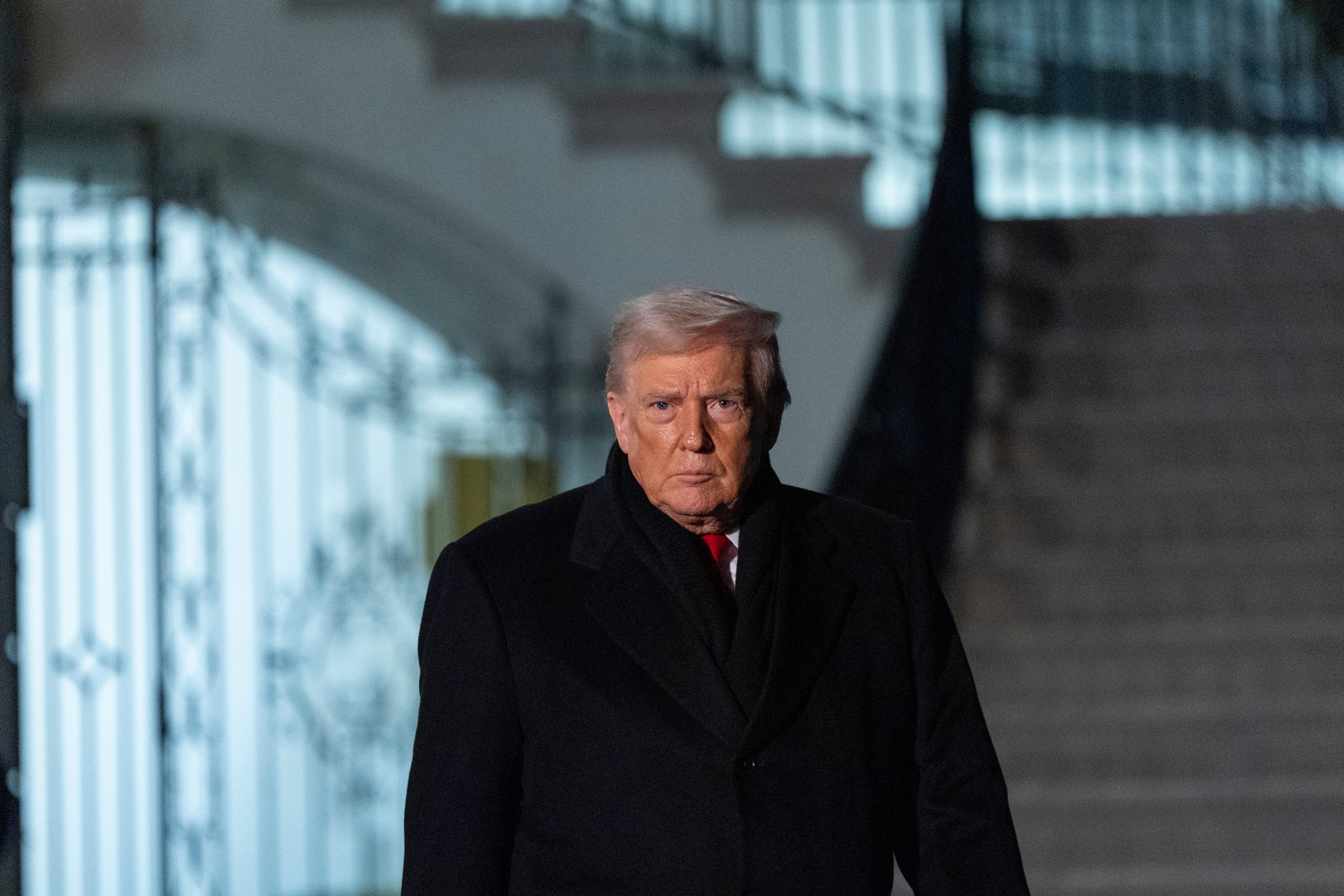
These developments complicate the regional strategy pursued by the Trump administration, which sought to solidify U.S. influence through normalization deals like the Abraham Accords. By escalating the conflict, Tehran has threatened the global energy supply by targeting the Strait of Hormuz and the Bab-el-Mandeb Strait. China, as Iran’s largest oil buyer and a primary financier of regional infrastructure, holds unique leverage to influence these maritime chokepoints. Rather than engaging in direct military confrontation, Beijing appears to be following the strategy of Sun Tzu, allowing the U.S. to exhaust its resources in a protracted conflict while positioning itself as a necessary peace broker. Russia, meanwhile, seeks to leverage its influence over Iran to secure concessions in its own theater of operations in Ukraine. The U.S. has responded by deepening its military cooperation with regional partners, including a joint strike with Saudi Arabia on militias in Iraq and leveraging Ukrainian capabilities to interdict Iranian supply chains in the Caspian Sea.



Comments (0)
No comments yet. Be the first!