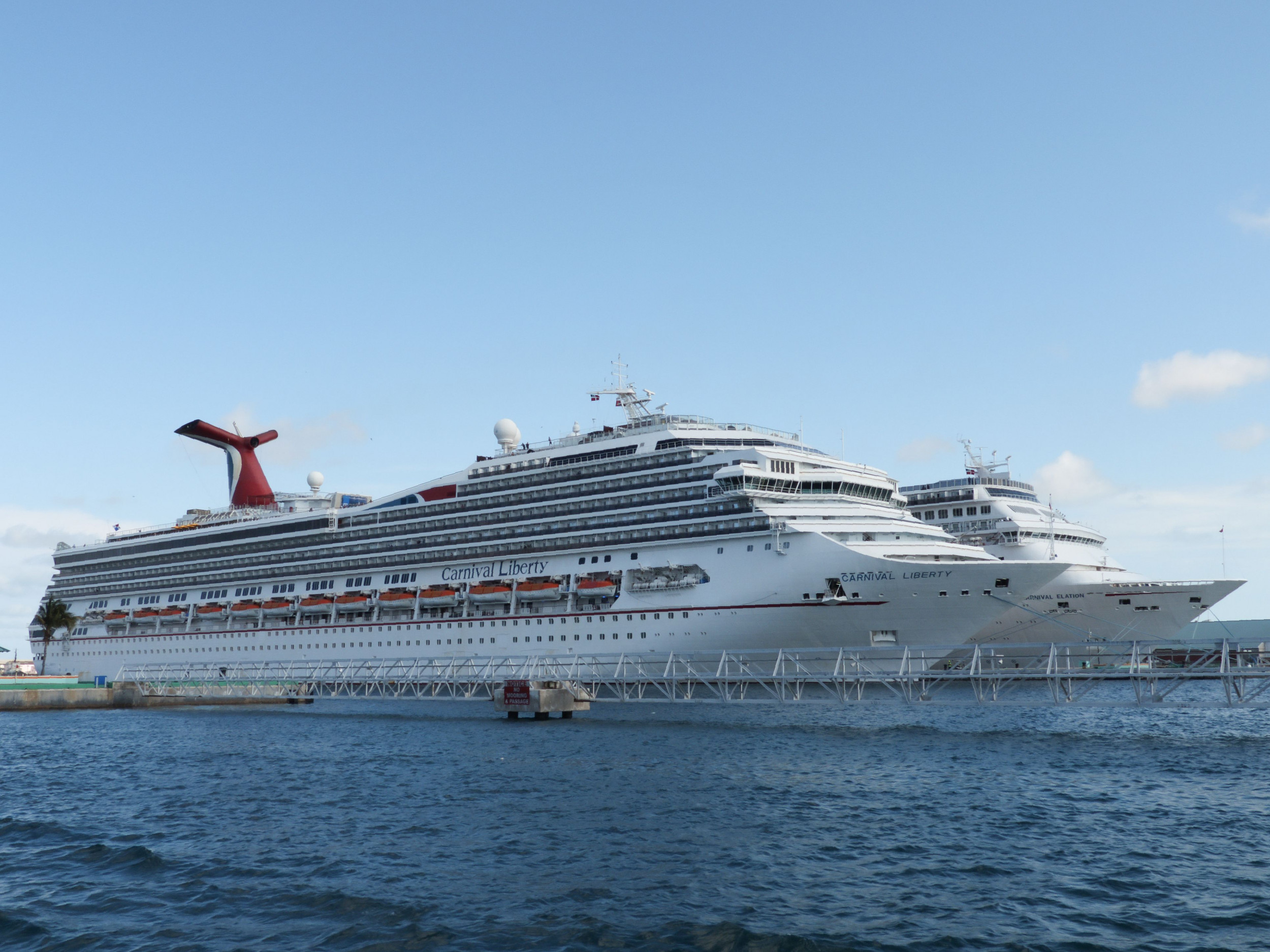
The world’s largest cruise operator is leveraging a combination of operational overhauls and technology investments to drive these results. By retiring 27 older, less efficient vessels since 2019 and integrating 11 LNG-powered ships, the company has already cut its per-guest emissions nearly in half compared to 2008 levels. These improvements are not merely environmental; fuel-efficiency gains are projected to save the company roughly $650 million in 2026 alone.
To hit the new 2029 target, the company is doubling down on technical infrastructure. Currently, 80% of its fleet is equipped with Power Saver Packs—upgrades to HVAC and lighting that have reduced annual energy demand by over 500,000 megawatt-hours. Further investments include Air Lubrication Systems, which reduce drag, and expanded shore power capabilities, which allowed ships to connect to local electrical grids during 1,460 port calls last year. With seven new, more efficient ships slated for delivery through 2033, CEO Josh Weinstein signaled that the company views these milestones as a platform for further innovation rather than a final destination.


Comments (0)
No comments yet. Be the first!