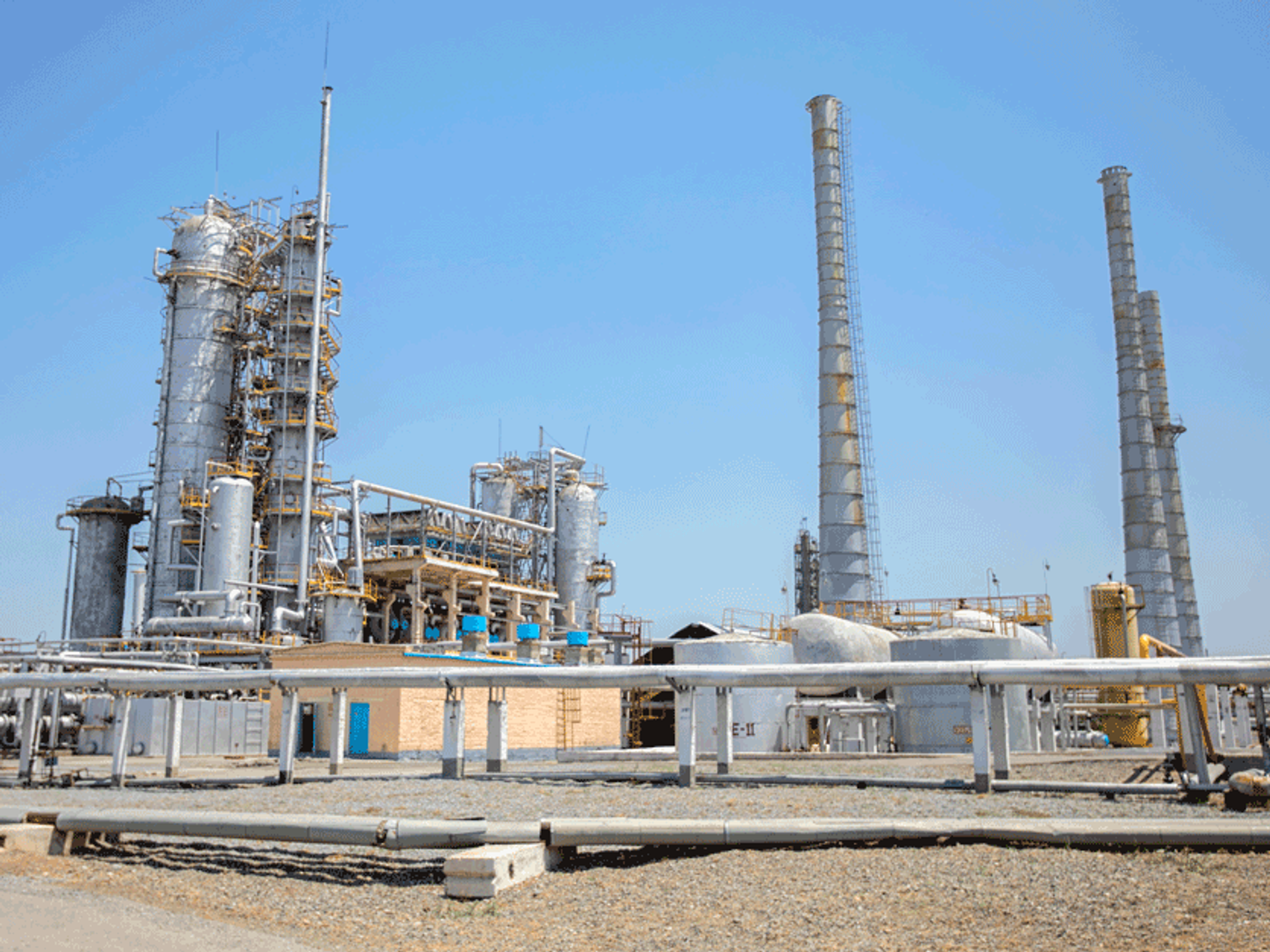
In Uzbekistan, the scale of Chinese involvement is accelerating rapidly. By the first half of 2026, bilateral trade reached $7.7 billion according to Tashkent, while Beijing’s own records claim a higher $8.9 billion. This volume dwarfs Russia’s $5.8 billion turnover. The footprint of Chinese capital is equally visible in the corporate sector, where the number of Chinese-backed companies hit 6,060, nearly doubling the 3,357 recorded in 2024 and significantly outpacing the 3,454 Russian firms currently operating in the country.
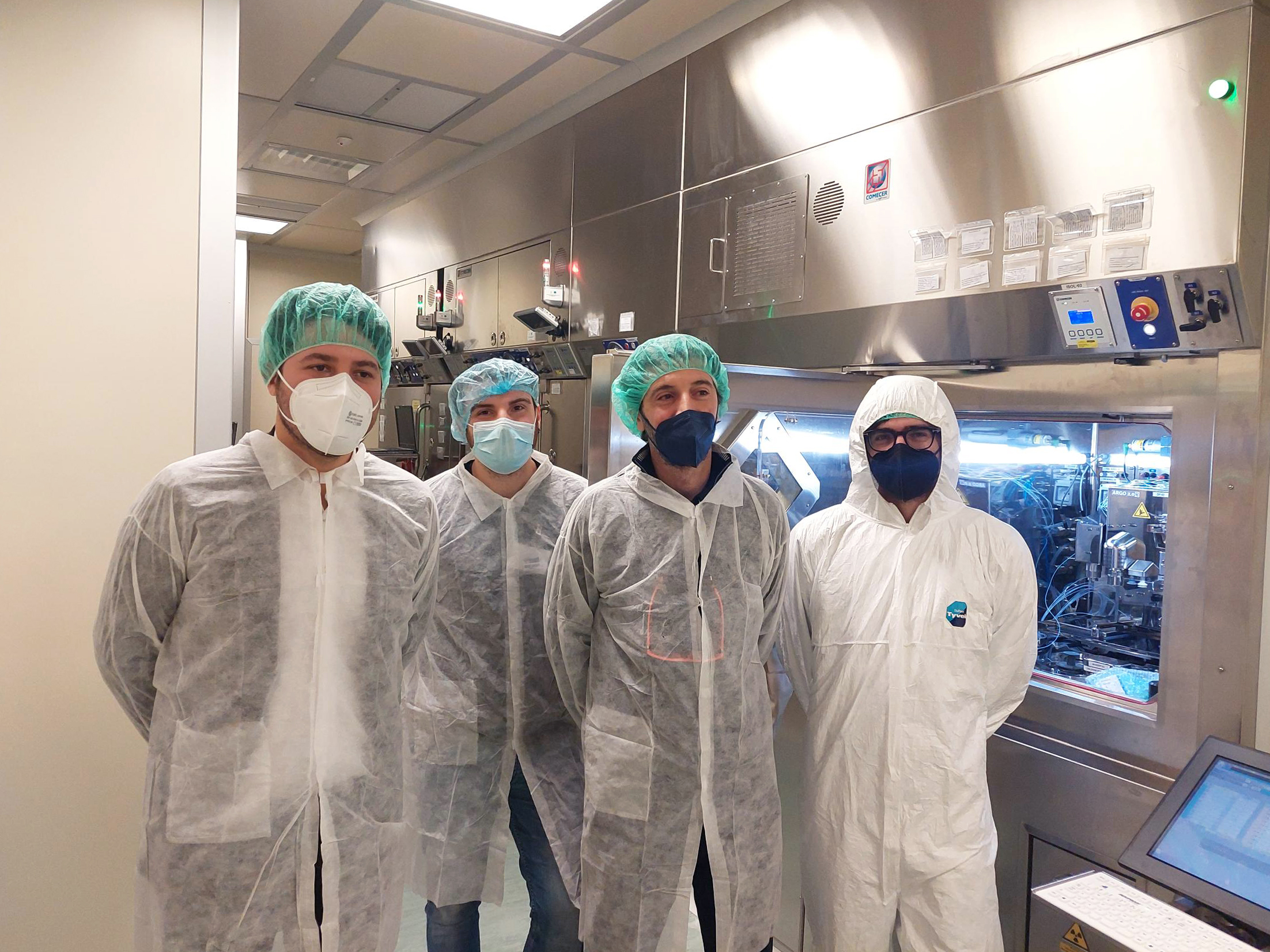
Financial and technical integration is deepening across the border in Kazakhstan. National banks are moving to synchronize payment systems, including pilot settlements between the digital tenge and the digital yuan. Beyond finance, the two nations have opened a joint laboratory at the Kazakh National Agrarian Research University to focus on molecular diagnostics and genomic research. Meanwhile, Tajikistan is actively reorienting its energy security; following the degradation of Russian fuel infrastructure, Dushanbe is negotiating with China to secure gasoline and diesel supplies while relying on Chinese technical assistance to prospect for domestic oil and gas reserves. In Kyrgyzstan, Beijing is utilizing soft power, offering luxury vehicles to officials to facilitate the entry of influential Chinese think tanks into the local market.



Comments (0)
No comments yet. Be the first!