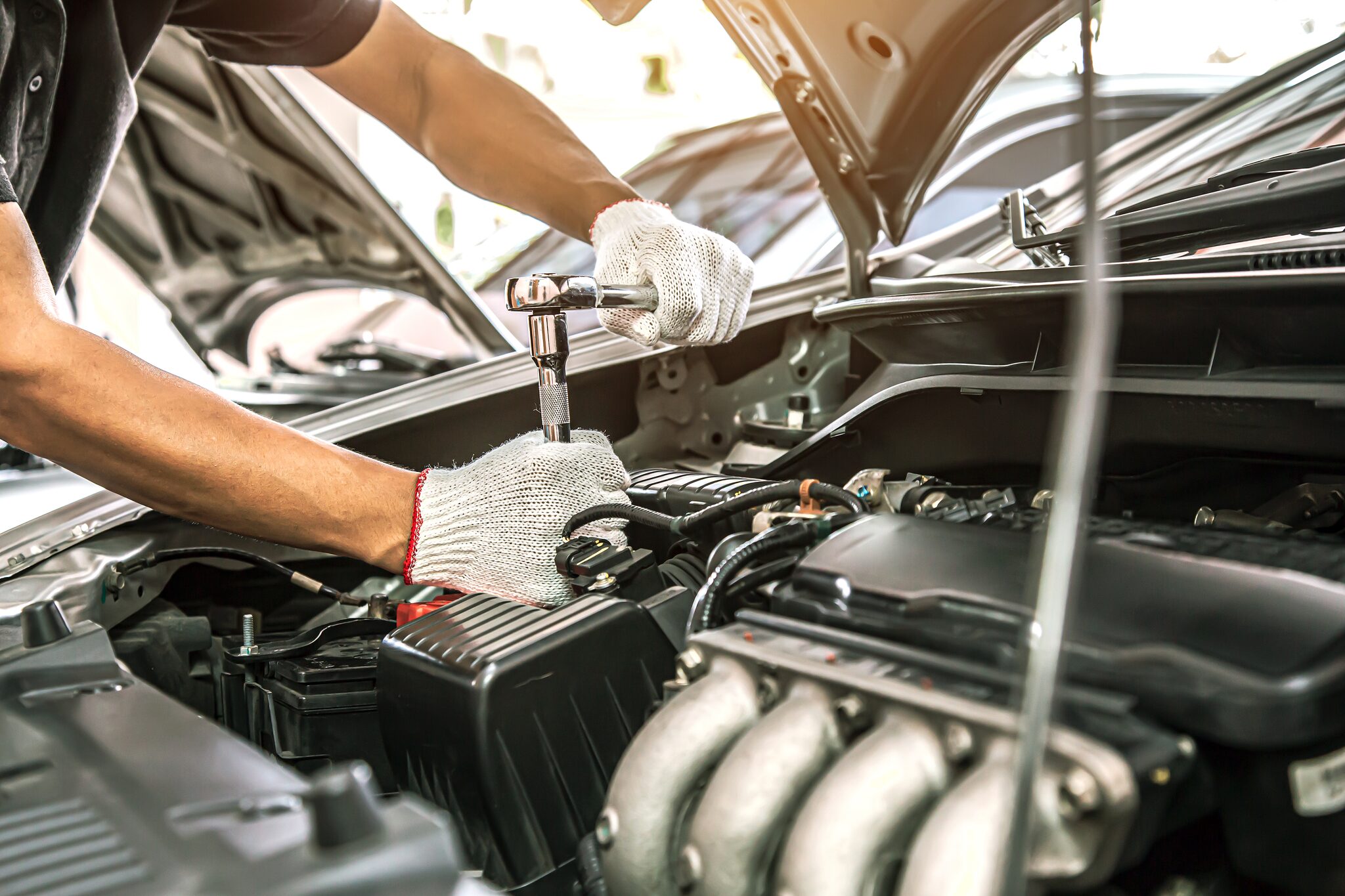
Checking engine oil levels remains the most effective defense against internal damage. While service stickers and dashboard reminders offer guidance, manual dipstick checks reveal leaks or sludge buildup that automated systems might miss. Beyond lubrication, Ortez stresses the importance of responsiveness; mechanical issues rarely resolve on their own. Squealing brakes or irregular engine rattles are early signals that, if addressed immediately, prevent the secondary damage that often inflates repair bills.
Dashboard alerts, including check engine and tire pressure warnings, require immediate attention rather than dismissal. A loose gas cap might trigger a sensor, but ignoring the signal can lead to more complex emissions system failures. Similarly, monitoring coolant, brake, and transmission fluids ensures vehicle reliability, particularly before long-distance travel. Maintaining proper tire pressure and rotation further balances fuel economy and safety, preventing the uneven wear that shortens a tire's lifespan.
Ultimately, the goal is to shift from reactive repairs to a culture of consistent oversight. Ortez suggests that drivers should trust their instincts when a vehicle's handling feels off, such as soft brakes or hesitant shifting. Regular professional inspections act as a final safety net, allowing mechanics to replace worn belts or weak batteries before they result in a roadside breakdown. These preventive measures require minimal time yet offer significant protection against the rising costs of major automotive work.




Comments (0)
No comments yet. Be the first!