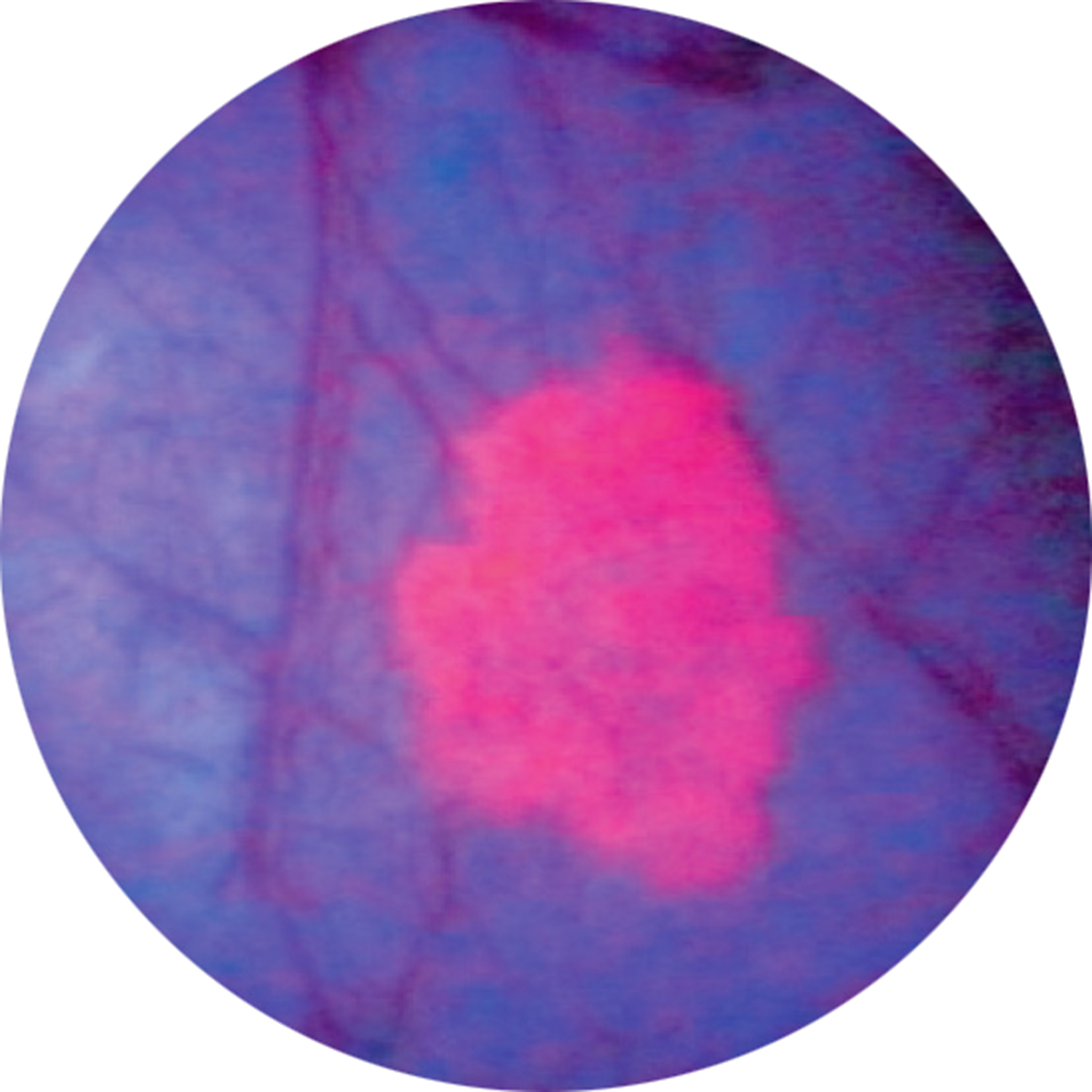
Researchers analyzed 794 patients treated with blue light cystoscopy (BLC) and 4,764 matched patients who underwent white light cystoscopy (WLC) between 2011 and 2023. Using the Optum Research Database, the study found that BLC patients experienced a higher prevalence of carcinoma in situ detection, resulting in a greater frequency of upper tract imaging and biomarker testing. Despite these increased ambulatory visits and diagnostic activities, the total per-patient-per-month healthcare costs showed no significant statistical difference between the two groups.
Principal investigator Mark Tyson noted that these findings reinforce the clinical utility of blue light technology in managing non-muscle-invasive bladder cancer. By improving the accuracy of initial diagnoses and follow-up, the procedure allows for better patient outcomes without placing an additional financial burden on healthcare systems. The study suggests that the diagnostic benefits of the technology—specifically its ability to highlight tumors for more complete resection—provide value that offsets the costs associated with more intensive surveillance.



Comments (0)
No comments yet. Be the first!