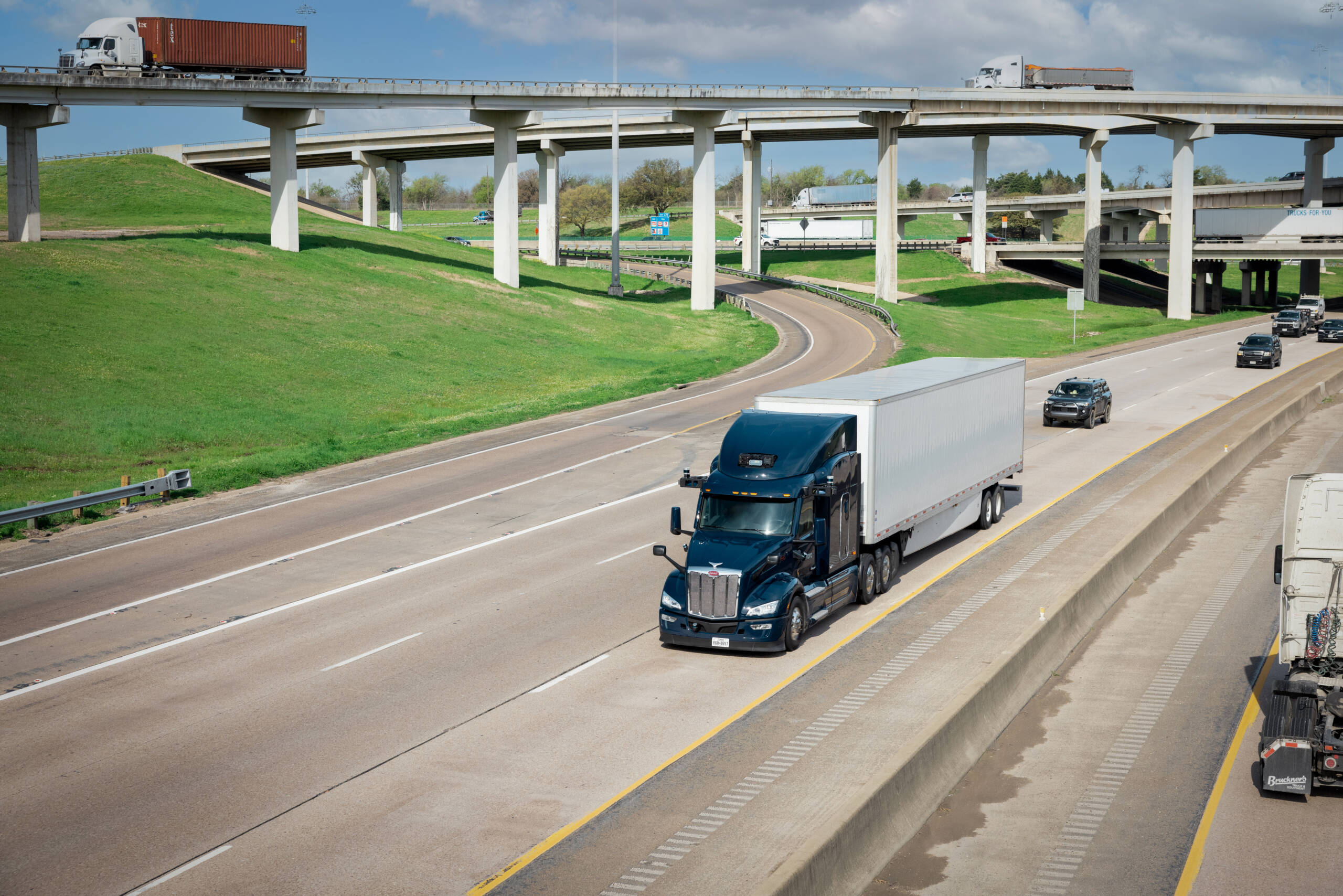
The integration of AI and autonomous systems is transforming supply chains from Texas highways to the Mississippi River. In the heavy-duty sector, truck platooning—where convoys use connectivity to minimize aerodynamic drag—is emerging as a primary strategy to slash energy requirements. Experts at the National Laboratory of the Rockies identify this technology as a key contender for reducing the fuel intensity of long-haul freight.
Commercial adoption is already underway. Aurora Innovation has deployed a fleet of second-generation driverless trucks across 10 routes in the U.S. Sun Belt, while PepsiCo has partnered with Gatik to integrate autonomous vehicles into its regional distribution networks in Texas, Arizona, and Arkansas. Maritime logistics are following suit, with Mythos AI installing Advanced Pilot Assist Systems on tow vessels navigating the Mississippi River. These innovations arrive at a critical juncture for U.S. energy markets; with diesel accounting for roughly 75% of total domestic distillate consumption, even incremental improvements in freight efficiency could lead to a substantial contraction in petroleum demand.
:strip_icc()/i.s3.glbimg.com/v1/AUTH_63b422c2caee4269b8b34177e8876b93/internal_photos/bs/2023/o/X/I6FoqWTYuHC14dh1EeaA/dexco-sede-da-empresa-divulgacao.jpg)


Comments (0)
No comments yet. Be the first!