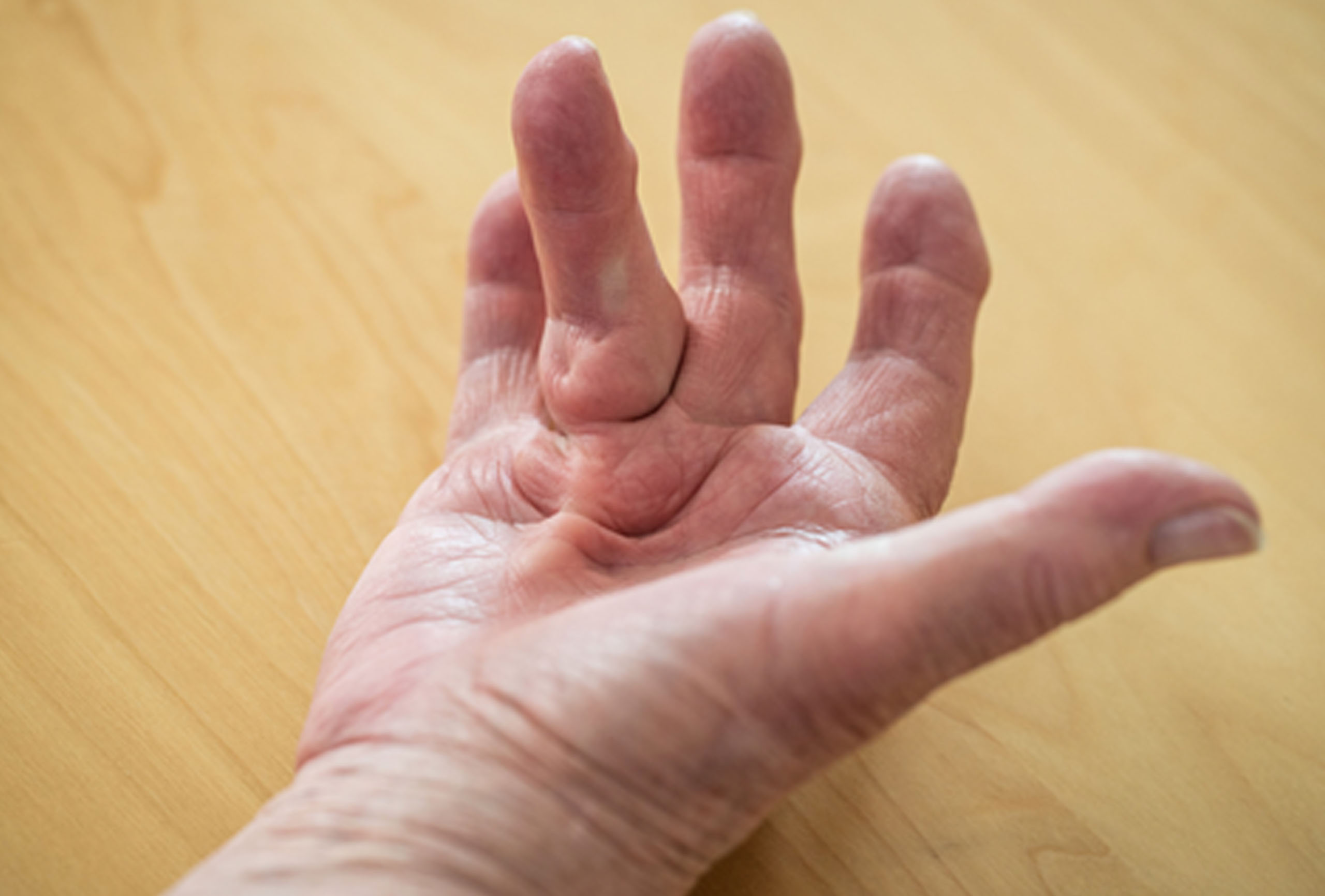
Published in PLOS ONE, the study reveals a proteomic approach to identifying the disease, which is part of a broader family of connective tissue disorders including Peyronie disease, frozen shoulder, and Ledderhose disease. Dr. Charles Eaton, Executive Director of the Dupuytren Research Group, emphasized that current interventions are strictly palliative and fail to restore long-term hand function. By establishing a diagnostic blood test, the team aims to facilitate the development of therapeutics capable of stopping contractures before they necessitate surgery.
The research group is now preparing for a larger validation study to confirm these initial findings. Because the condition is hereditary and affects roughly 4–7% of the U.S. population, the group views this diagnostic milestone as the essential prerequisite for testing future preventative drugs. As funding remains highly competitive, the nonprofit continues to rely on donor support to push the clinical validation forward.



Comments (0)
No comments yet. Be the first!