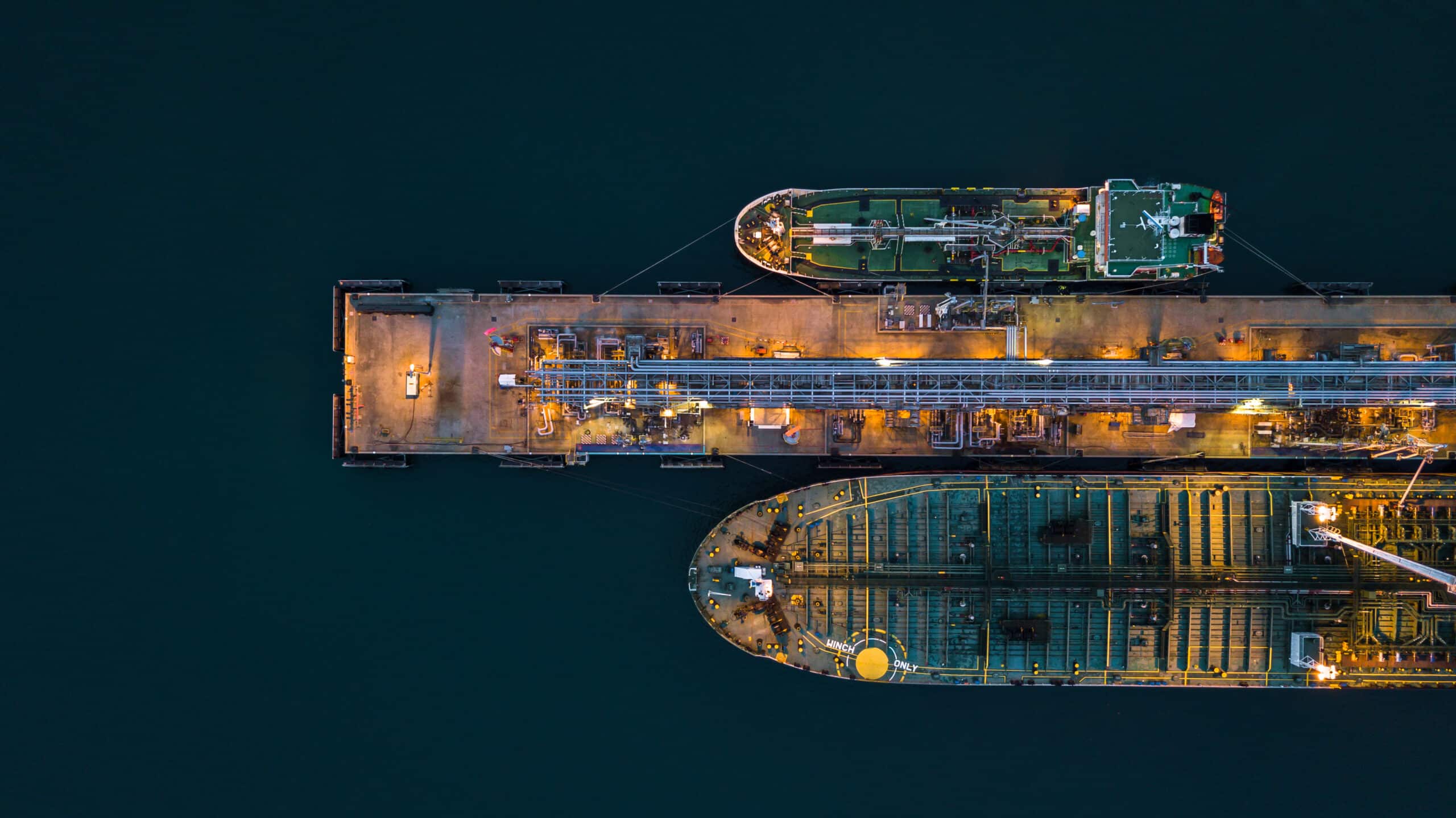
The Sea V, laden with Iraqi crude, remains idling in the waterway, while the Hestia has retreated to the Gulf of Oman. These vessels are part of a broader tactical shift by state-owned majors COSCO Shipping Energy Transportation and China Merchants Energy Shipping. Since July, these entities—which previously managed roughly half of China’s Middle Eastern oil imports—have effectively ceased transits through the Strait of Hormuz and the Bab el-Mandeb.
To bypass the high-risk zones, operators are increasingly relying on ship-to-ship transfers in the Gulf of Oman. Data from Kpler indicates that these offshore operations averaged 600,000 barrels daily throughout June and July. While this strategy avoids the immediate threat of strikes, it imposes significant costs. Shipping executives report that vessels are now undertaking longer voyages and facing extended wait times, trading physical security for the logistical complications of operating outside traditional shipping channels.



Comments (0)
No comments yet. Be the first!