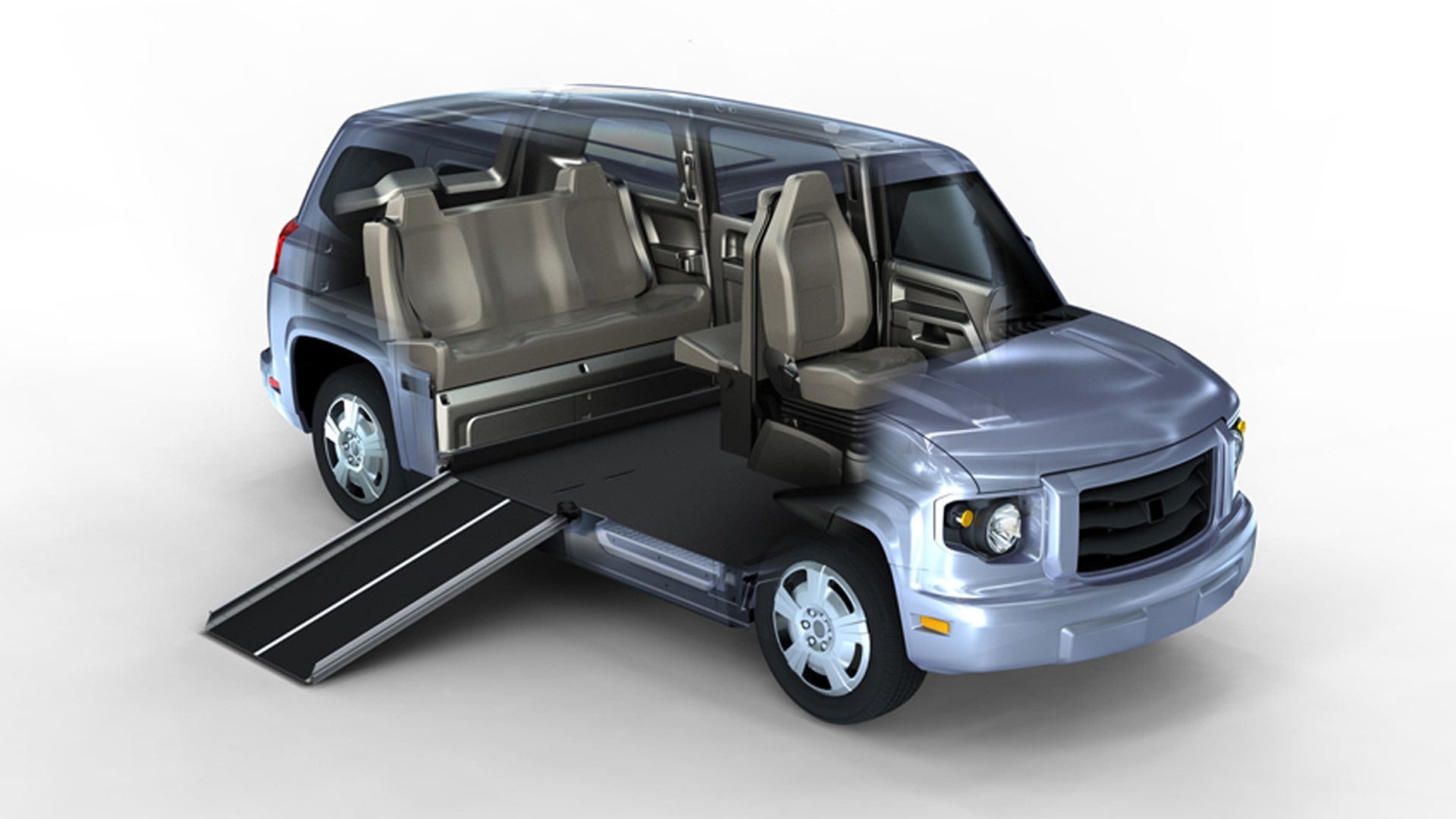
Non-medical transportation distinguishes itself from medical transit by shifting the focus from clinical appointments to the rhythms of daily life. These services enable consistent attendance at vocational training, adult day programs, and social gatherings, which are critical for skill development. By relying on structured transport, individuals gain opportunities to practice time management, communication, and self-advocacy, effectively building life skills that transcend the commute itself.
Securing these services requires careful coordination within Medicaid waiver programs. Families must ensure that transportation needs are explicitly written into an individual's care plan, accounting for specific requirements such as vehicle accessibility or the level of staff supervision needed. Because waiver programs often carry limitations on trip frequency and distance, Roberts suggests that families treat service planning as a dynamic process. Regular reviews allow for adjustments as an individual’s mobility or activity schedule evolves, preventing interruptions in care.
When waiver coverage reaches its limit, families often find success by layering resources, including local transit systems and volunteer networks. This proactive approach to logistics reduces the burden on family caregivers and ensures that individuals with disabilities remain active participants in their community. By treating transportation as a foundational element of care rather than an afterthought, families can create more stable, predictable routines that support long-term growth and personal autonomy.



Comments (0)
No comments yet. Be the first!