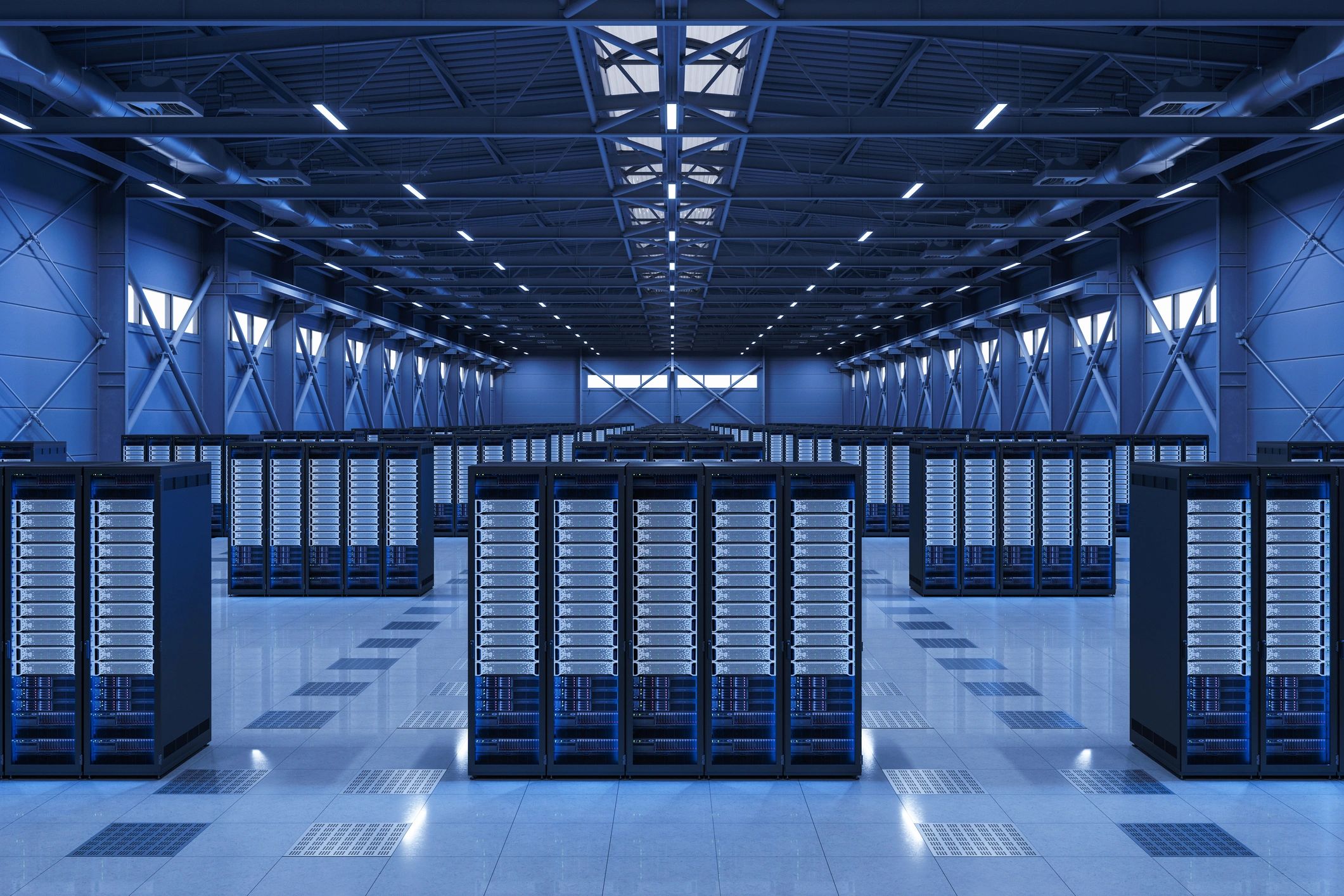
The Trump administration’s push for tech giants to self-fund their energy infrastructure aims to insulate public grids from the tech sector's massive load. However, experts fear this strategy creates a fragmented, unregulated shadow grid. By encouraging companies to build proprietary power sources, the government may be sidelining necessary investment in aging public infrastructure, which remains the primary driver of rising utility bills. Brandon Owens, founder of the advisory platform AIxEnergy, notes that current cost pressures stem from transmission and system readiness rather than raw supply, meaning these expenses persist even when data centers generate their own power.
Simultaneously, the energy market is undergoing a seismic shift. Utilities, desperate for capital to fund rapid expansion, are offloading non-core assets to private equity firms. For investors, this presents a rare opportunity to acquire regulated monopolies at a discount—a scenario unseen in two decades. Jeff Jenkins of Bernhard Capital Partners warns that this influx of private capital could trigger a sector bubble. As Big Tech pivots toward independent natural gas generation, utilities may find themselves overextended, saddled with infrastructure that loses its primary customers once the initial construction supercycle subsides.


Comments (0)
No comments yet. Be the first!