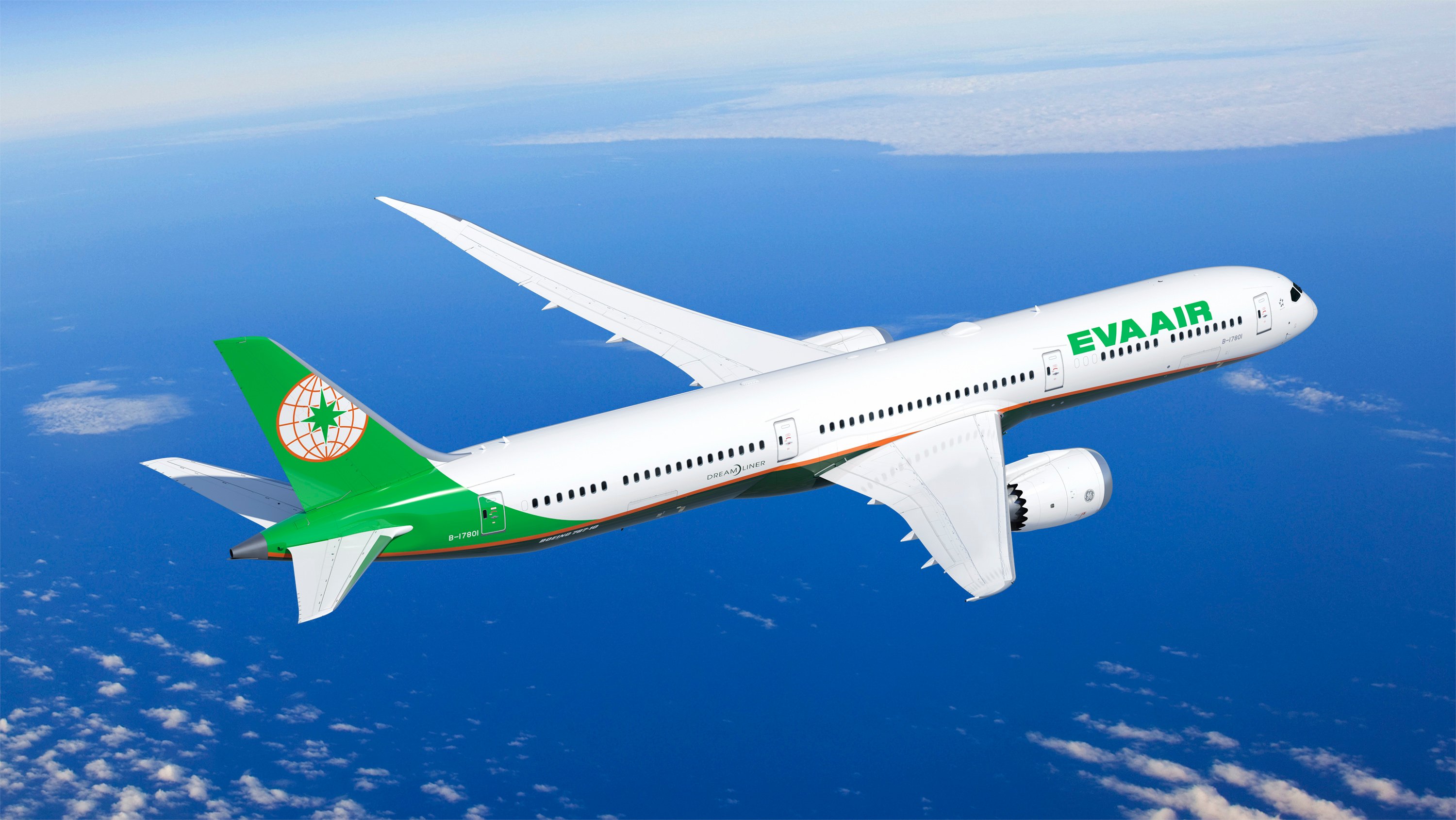
The collaboration centers on the use of SAF derived from used cooking oil, which provides an 80% reduction in lifecycle greenhouse gas emissions compared to conventional jet fuel. Under the memorandum of understanding, the environmental attributes of this fuel will be tracked via the International Sustainability and Carbon Certification Credit Transfer System. This mechanism allows Microsoft to account for the carbon reductions within its Scope 3 emissions reporting, directly supporting its 2030 goal to become carbon negative.
Formosa Petrochemical Corporation will supply the fuel, while AIT Worldwide Logistics manages the transport of high-value cargo. For EVA Air, the initiative marks a significant expansion of its Green Transportation Program. The airline has been actively integrating SAF into flights departing from Asia, Europe, and North America since 2025. This project serves as a test case for scaling SAF adoption across the Asia-Pacific region, proving that aligning corporate demand with local fuel production can transform supply chain standards. The initiative follows EVA Air’s inclusion in the Dow Jones Best-in-Class Emerging Markets Index, underscoring the airline's ongoing focus on sustainability governance.


Comments (0)
No comments yet. Be the first!