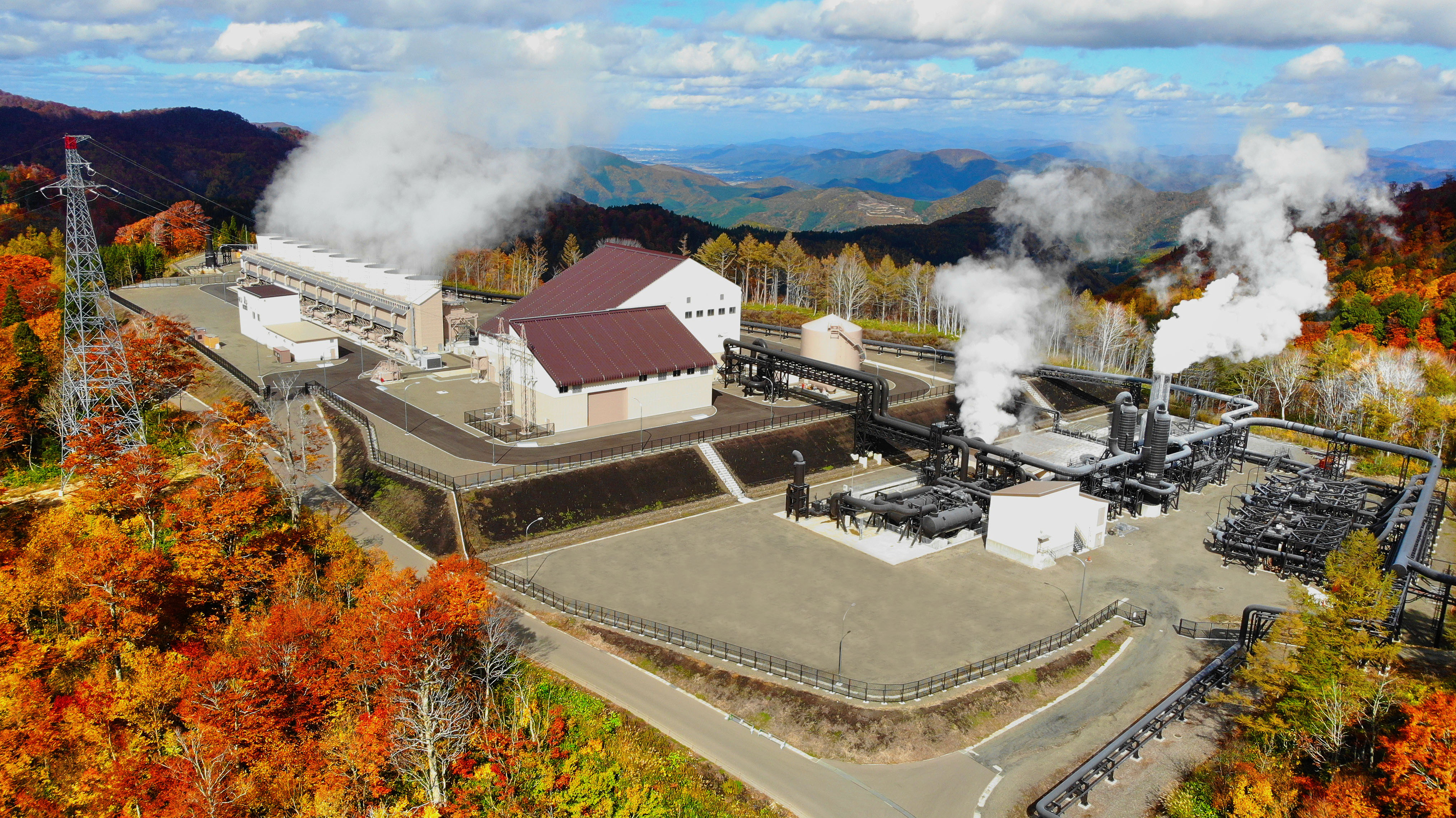
While the Trump administration has frequently sidelined wind and solar projects, geothermal energy has secured a rare foothold in federal funding. The technology relies on a simple premise: the Earth’s mantle contains immense heat from radioactive decay, theoretically holding 50,000 times more energy than all global oil and gas reserves combined. Historically, accessing this heat required rare geological conditions, such as those in Iceland, where high temperatures sit near the surface. The FORGE project aims to bypass these limitations by using fracking to inject water into deep rock formations, creating artificial reservoirs that trap heat for power generation.
The current Utah-based experiment seeks to address the critical hurdle of thermal decline—whether water can remain hot enough during circulation to be commercially viable. Earlier trials reached temperatures of 370 F over a 30-day period, but the current four-month study is designed to provide more robust data on water loss and sustainability. Dr. Kristie McLin, principal investigator at FORGE, notes that these extended tests are essential to proving the industry can scale. However, even with technical success, geothermal faces a steep economic climb. Competing with the lower costs of coal and natural gas remains a primary barrier to market entry. Ironically, the path to commercialization may rely on the oil and gas sector itself, as those companies possess the specialized drilling expertise required to reach extreme depths at a manageable cost.


Comments (0)
No comments yet. Be the first!