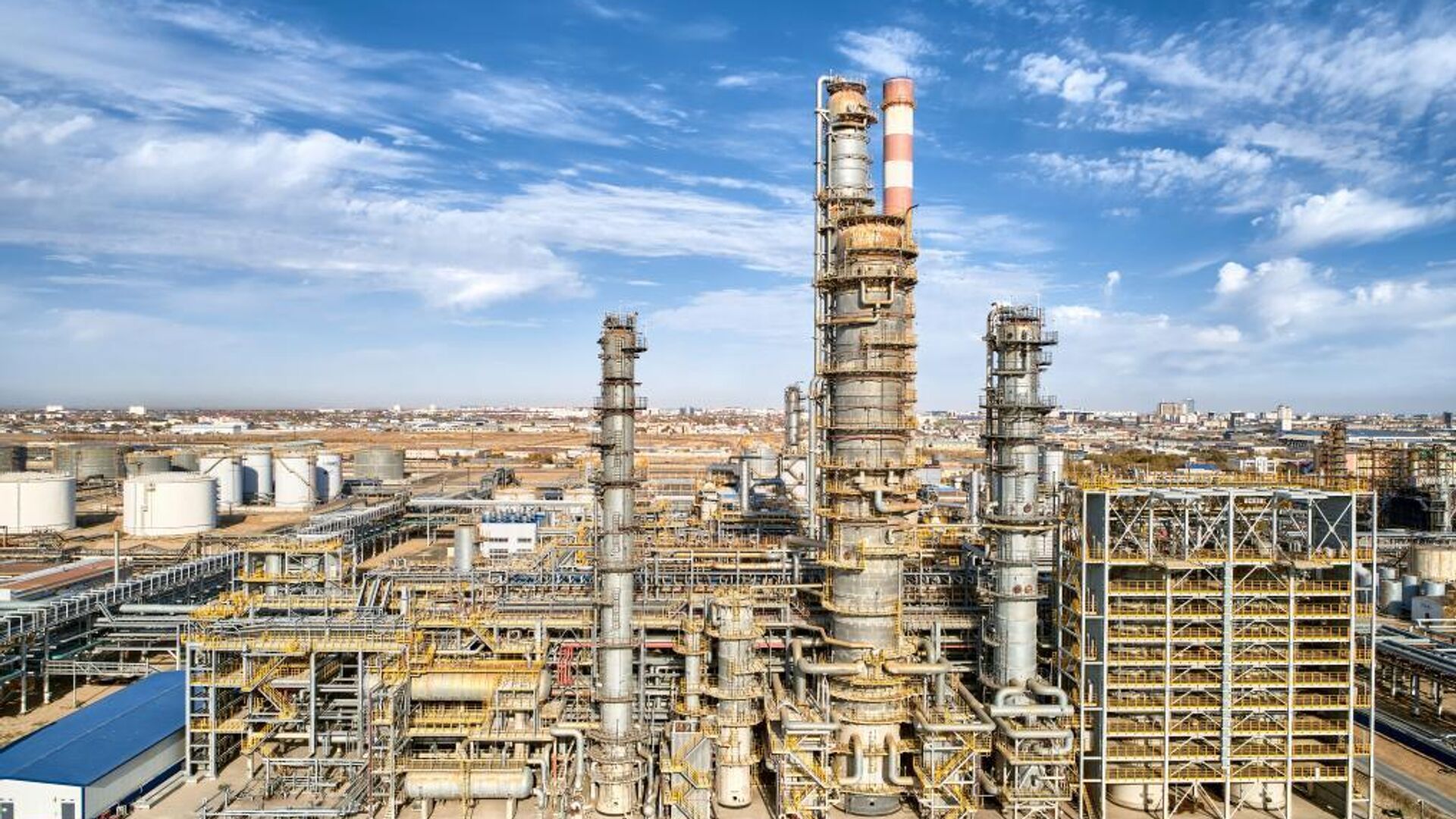
Astana has shown clear reluctance to act as a lifeline for the Kremlin's energy sector. Reports indicate that major Kazakh refineries have resisted requests to export oil products to Russia, despite prior ministerial approval for shipments of up to 17,500 tons of gasoline. This hesitation stems from both acute domestic demand and the fear of secondary sanctions for facilitating Russia's military machine. While Energy Minister Yerlan Akkenzhenov confirmed that one small facility in West Kazakhstan is refining Russian crude, the move is largely symbolic and insufficient to solve Russia’s systemic refining deficit.
The energy outlook for Moscow remains bleak. Rystad Energy analysts project that Russian refinery output will plummet by 30 percent in the latter half of 2026 compared to historical seasonal averages. With aging wells and a lack of new greenfield projects, the Russian energy sector faces a structural decline that small-scale regional cooperation cannot reverse. Meanwhile, Kazakhstan is signaling its autonomy through the massive 'Batyl Toitarys 2026' military exercises. These drills, which emphasize drone defense and inter-service coordination, serve as a pointed demonstration of national sovereignty amid intensifying pressure from its northern neighbor.




Comments (0)
No comments yet. Be the first!