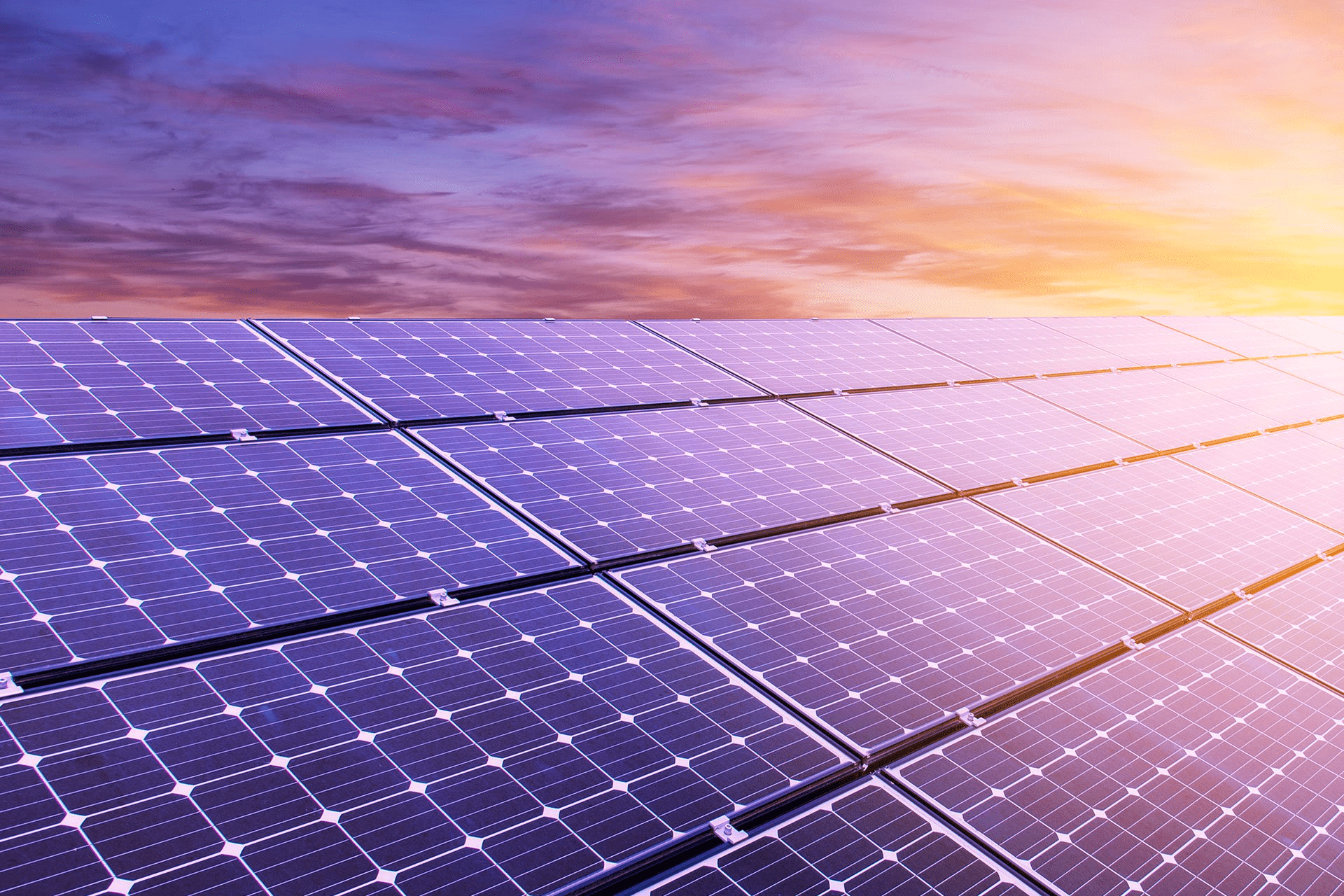
The economic argument against solar has long relied on the distinction between capital-heavy renewables and fossil fuel plants that appeared cheaper at the point of commissioning. While solar has been the cheaper option over a project's lifetime for years, the barrier to entry remained the heavy upfront price tag. Mass manufacturing has dismantled this hurdle; since 2010, solar PV costs have plummeted by 87%, according to IRENA data. Today, a solar plant can deliver the same quantity of electricity as a fossil counterpart for a lower initial investment, fundamentally altering the calculus for emerging economies.
This shift is particularly transformative for nations balancing high interest rates, limited budgets, and rising electricity demand. Previously, many developing countries were forced to choose fossil fuels because they could not finance the massive upfront costs of clean infrastructure. Parity in capital requirements removes this trap, allowing for modular, phased deployment of solar capacity. While financing challenges such as currency risk and grid instability remain, the technology itself no longer carries an inherent capital disadvantage.
Critics often point to intermittency as a fatal flaw, arguing that solar cannot provide the same dispatchable power as coal or gas. Yet, the cost of the necessary infrastructure—including batteries—is falling rapidly, with IRENA estimating a 93% decline in storage costs since 2010. While a solar-plus-battery system is not a universal solution for every seasonal shortage, the gap between firm renewable energy and fossil fuel costs is closing. The debate has shifted; fossil power has lost its final economic defense as the default choice for immediate, low-cost capacity.



Comments (0)
No comments yet. Be the first!