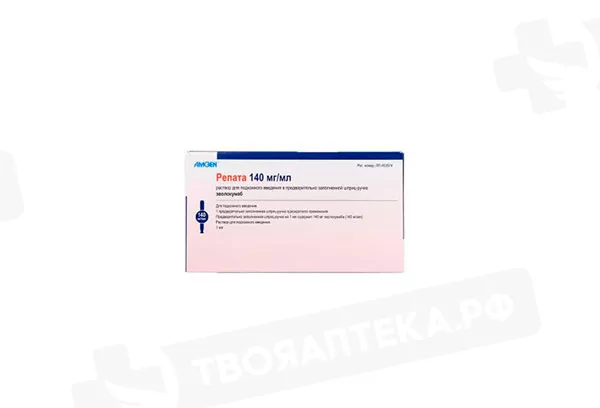
The findings, drawn from the VESALIUS-CV trial and presented at the European Society of Cardiology Congress in Munich, demonstrate that adding Repatha (evolocumab) to existing LDL-C lowering regimens significantly impacts patient outcomes. Over a median follow-up of 4.6 years, researchers observed a reduction in both overall and cardiovascular-related deaths among the 12,000 participants studied. The survival benefit began to emerge approximately 18 months into treatment.
Beyond mortality data, the study underscores the importance of early, aggressive intervention. Analysis showed that the drug effectively lowered the risk of both initial and subsequent cardiovascular events, with protection against heart attacks becoming evident as early as six months after initiation. Marc S. Sabatine, chair of the TIMI Study Group, noted that the treatment appears to alter the patient’s clinical trajectory by preventing the transition to a higher-risk state following a first event.
Despite these results, separate global real-world analyses presented by Amgen highlight a persistent gap in lipid management. Many patients at high risk remain undertreated, frequently failing to achieve recommended LDL-C targets. The data also pointed to gender-based disparities, noting that women are less likely than men to receive intensive lipid-lowering care, further emphasizing the need for more consistent and timely clinical intervention to curb cardiovascular mortality.



Comments (0)
No comments yet. Be the first!