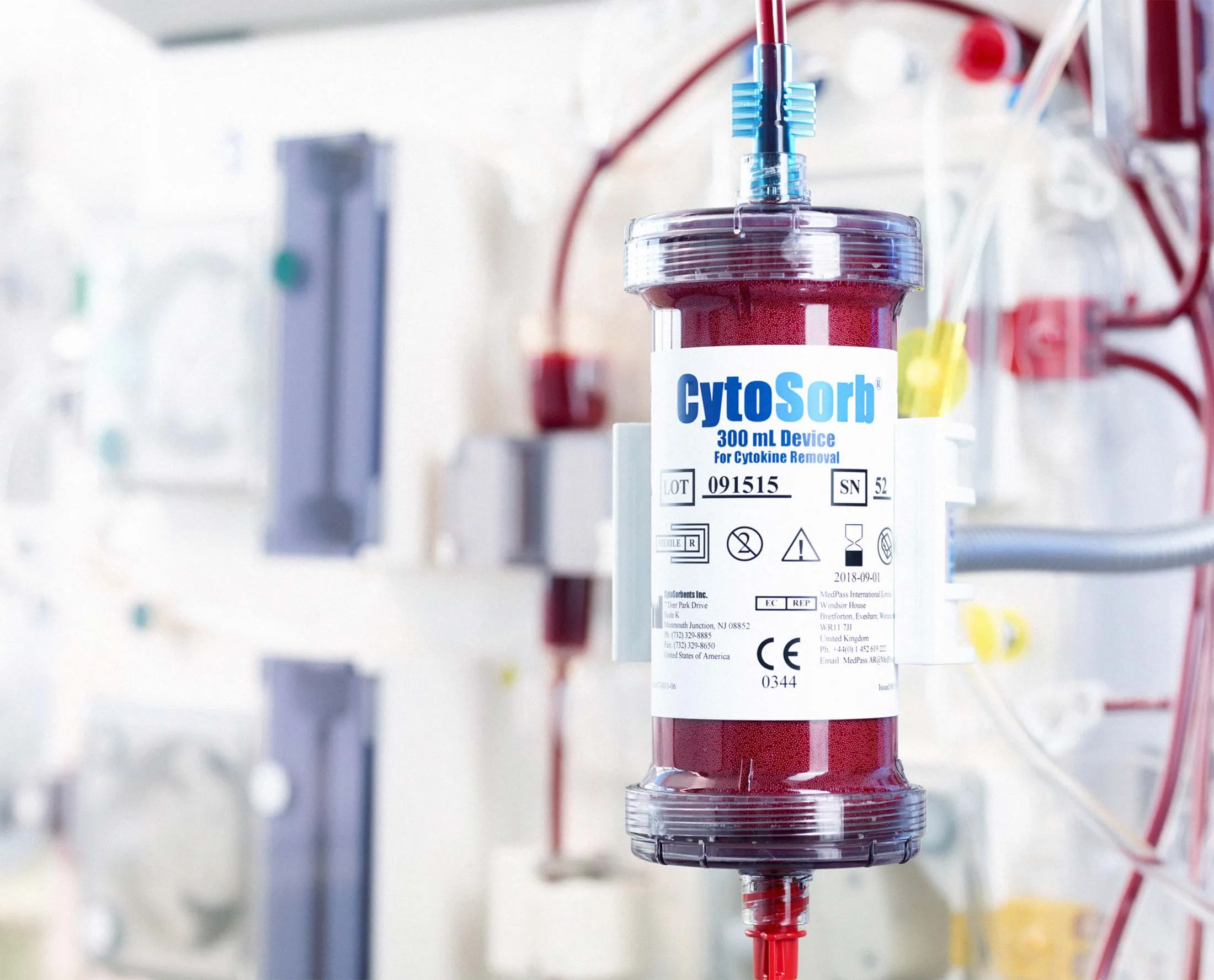
The study compared 198 patients treated with the intraoperative device against a control group of 389 individuals who underwent surgery without it. Beyond the reduction in BARC-4 severe bleeding, researchers observed significant decreases in both 24-hour chest tube drainage and the necessity for red blood cell transfusions. No serious adverse events linked to the device were reported, supporting previous data from the randomized STAR-T trial.
CytoSorbents CEO Dr. Phillip Chan noted that this real-world evidence will form a central part of a new De Novo submission to the U.S. FDA, expected in early 2027. The company recently completed two pre-submission meetings with regulators, gaining feedback on distinct pathways for ticagrelor and direct oral anticoagulant removal. While the device is currently approved for use in the European Union, it remains an investigational product in the United States, where the company is leveraging its Breakthrough Device designation to navigate the path toward commercial clearance.




Comments (0)
No comments yet. Be the first!