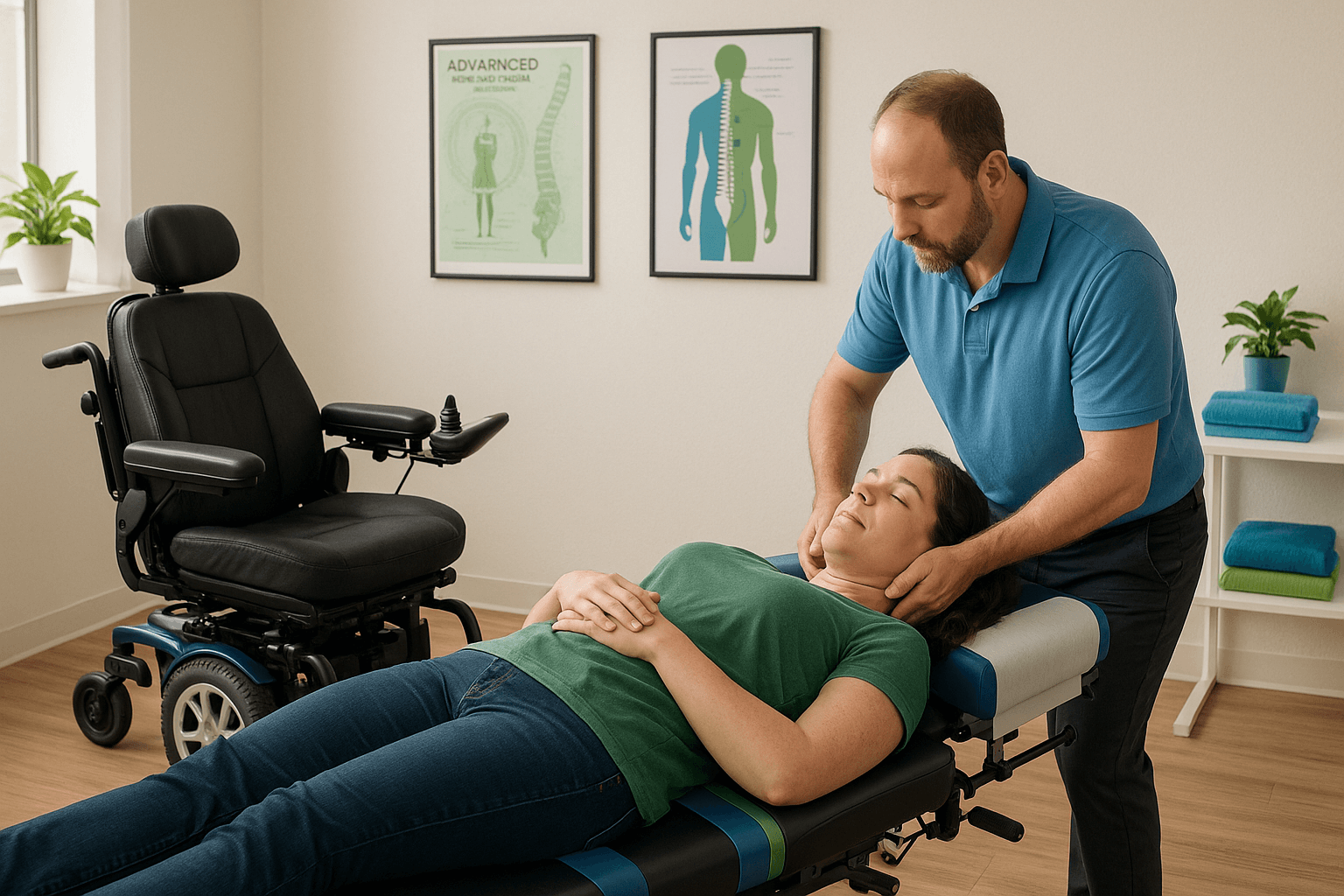
When a mechanical imbalance has dictated a patient's movement patterns for months or years, the body cannot simply unlearn those habits in one session. Dr. Trembush notes that tissues, muscles, and ligaments tighten around distorted patterns, requiring repetition to release tension and restore healthy alignment. A proper treatment plan moves patients through three distinct phases: initial pain relief, corrective alignment, and spinal stabilization.
The process begins by calming irritated nerves and reducing inflammation to restore basic mobility. Once the body is no longer in acute distress, corrective alignment aims to retrain joints to follow more efficient paths. Because muscles often resist these changes by defaulting to old, familiar postures, consistent adjustments are necessary to reinforce new movement patterns. The final stage, spinal stabilization, focuses on strengthening the supportive musculature needed to protect the spine and prevent the recurrence of discomfort.
Patients in Morgantown who commit to this full progression typically experience more durable results than those seeking occasional, reactive care. By respecting the body's natural pace for tissue adaptation, a structured plan builds long-term stability and confidence. Relying on a one-visit approach often fails to address the root of the mechanical issue, leaving the underlying imbalance to persist.




Comments (0)
No comments yet. Be the first!