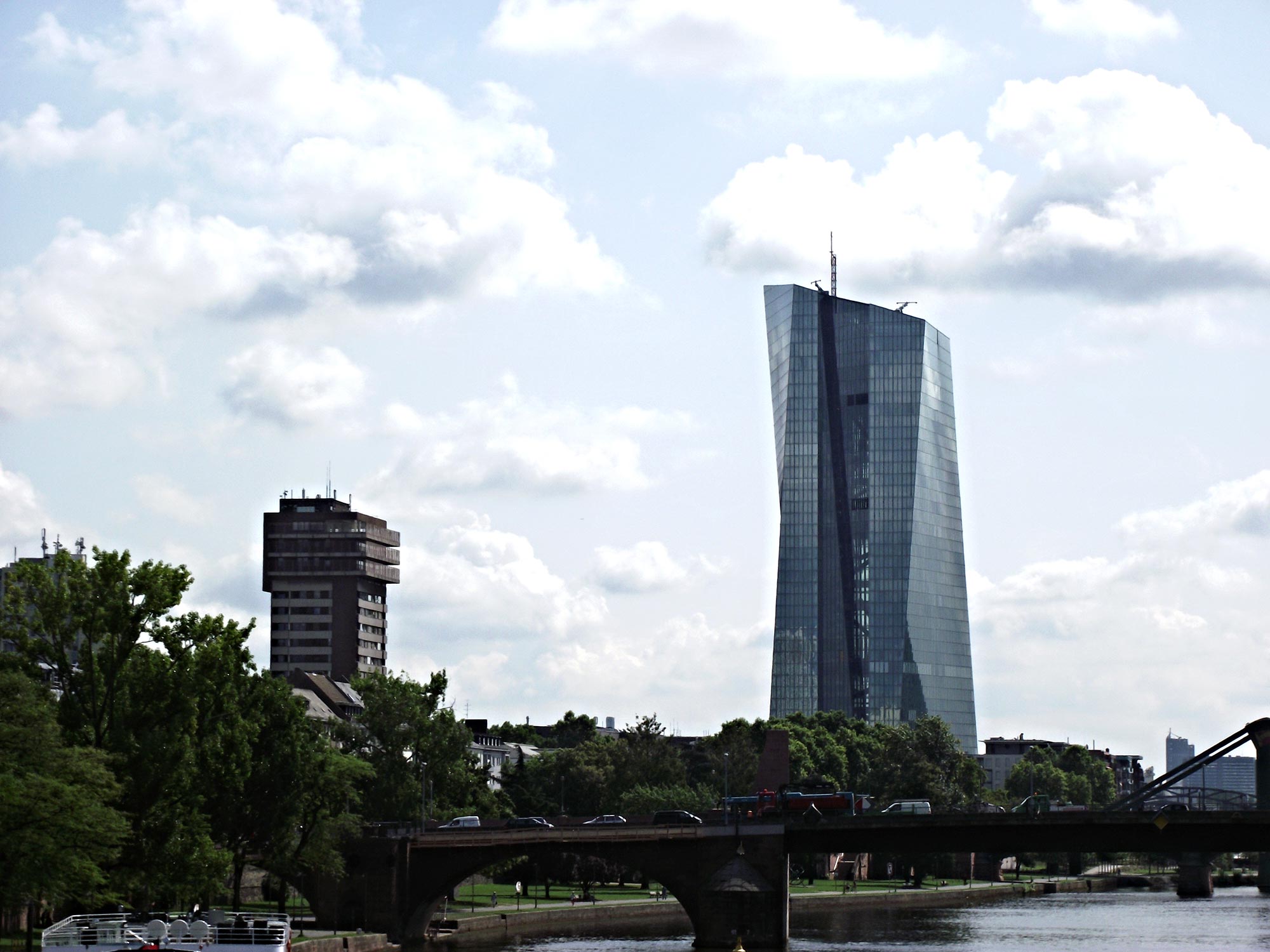
Traders have fully priced in the hike to 2.5%, viewing it as a near-certainty following data that pushed eurozone inflation back above 3% in August. While Carsten Brzeski of ING characterizes the move as a "dovish rate hike," the decision underscores a growing anxiety over energy costs. Despite the uptick in headline inflation, economists polled by Reuters suggest the bank will pause thereafter, noting that wage growth is cooling and energy-driven price pressures have yet to bleed into the broader services sector.
New projections from the ECB are expected to show minimal shifts, though analysts like SEB’s Pia Fromlet anticipate a potential upward nudge to 2026 growth forecasts given that regional business activity has proven more resilient than previously feared. Meanwhile, the ECB is navigating external friction; officials have expressed frustration over recent U.S. interventions in currency markets, specifically the sale of euros to bolster the yen without customary communication. As borrowing costs rise across France, Italy, and Germany, the bank remains wary of bond market volatility, though experts believe the current selloff remains fundamentally grounded and unlikely to trigger immediate policy intervention.




Comments (0)
No comments yet. Be the first!