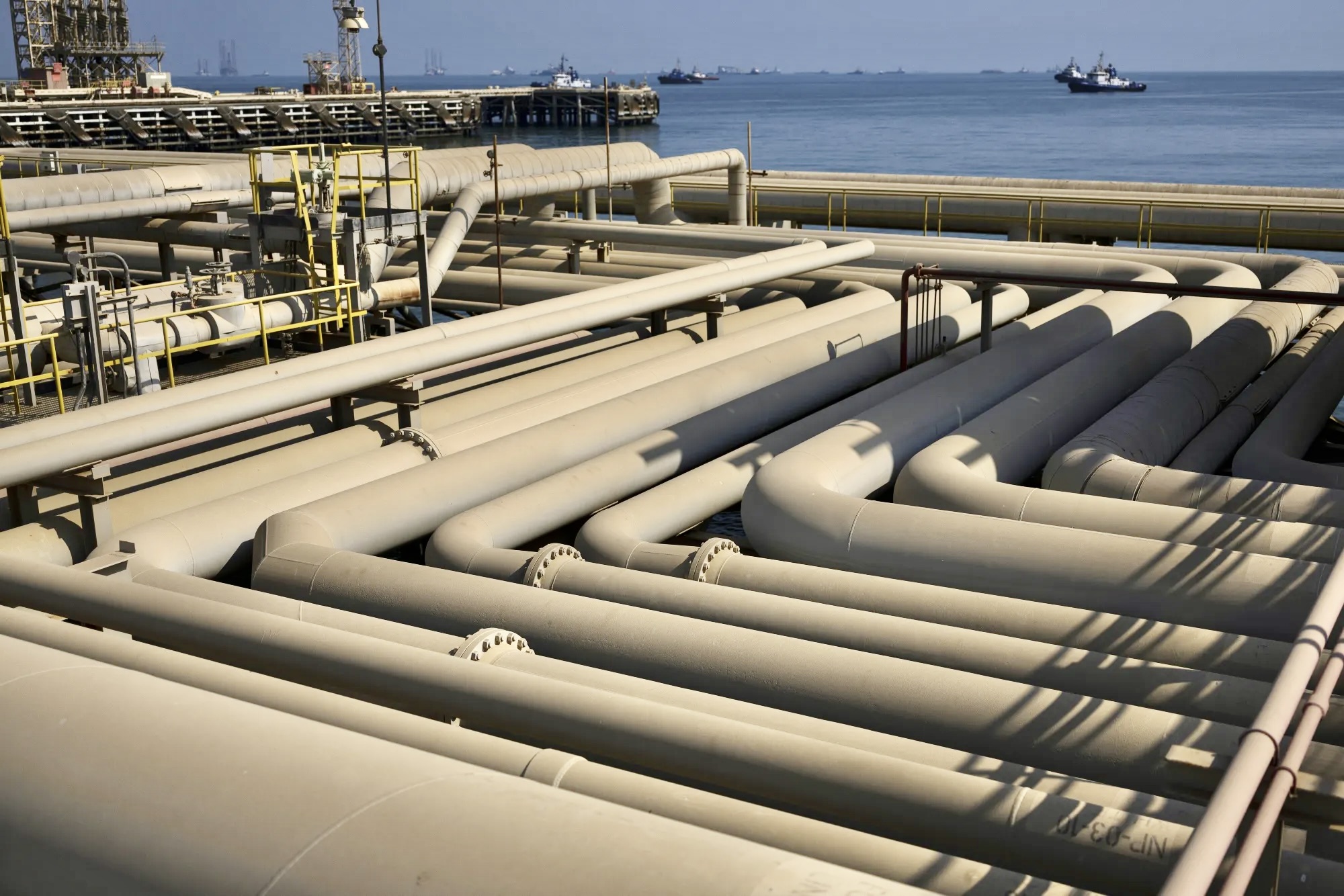
The East-West pipeline previously allowed the Kingdom to circumvent the Persian Gulf, directing shipments to the Red Sea port of Yanbu. Following the attack, operations are expected to remain offline for weeks. While Yanbu’s current stocks may sustain exports temporarily, a prolonged outage forces reliance on routes increasingly vulnerable to Houthi attacks. Chevron CEO Mike Wirth warned that market cushions have been exhausted, noting that prices face significant upward risk as global inventories continue their rapid decline.
Data from the International Energy Agency confirms the severity of the situation, with global oil inventories dropping by 507 million barrels since February. As China ramps up imports and strategic reserves in the U.S. hover at their lowest levels since the early 1980s, the market lacks the capacity to absorb further shocks. RBC Capital Markets estimates that roughly 9 million barrels per day of Middle Eastern supply remain effectively offline. With no swift resolution to the regional conflict in sight, analysts suggest that demand destruction is becoming the primary mechanism for balancing an increasingly tight global supply chain.




Comments (0)
No comments yet. Be the first!