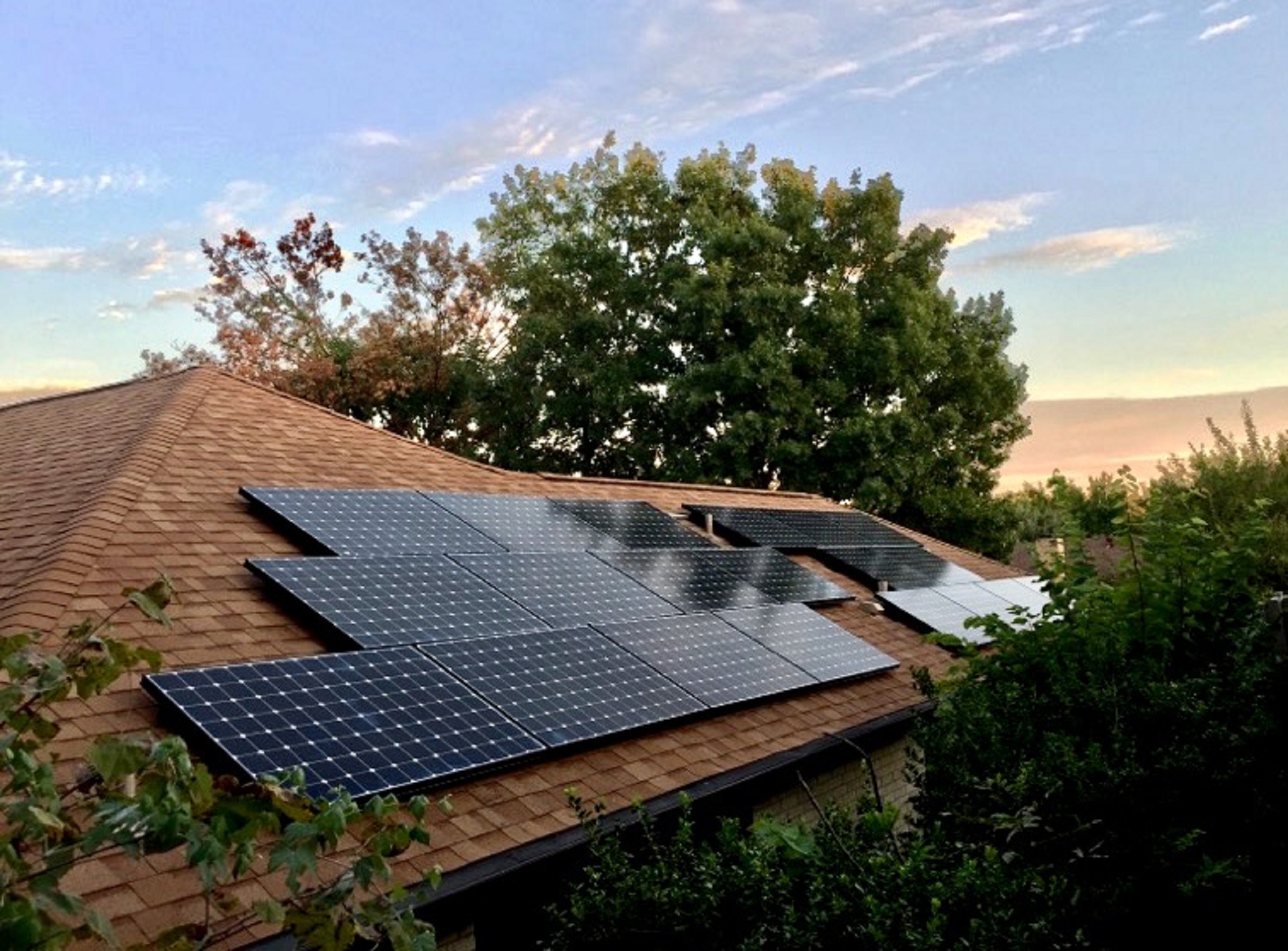
In Pakistan, major manufacturers like Bestway Cement are turning to ground-mounted solar to shield production from erratic national power supplies. At the company’s Chakwal plant, 26 MW of capacity now provides over a quarter of the facility's electricity, a move General Manager Abdul Waheed describes as essential for competitive survival. This trend mirrors developments in the Philippines, where rooftop solar capacity nearly doubled in a year, offering residential users a return on investment in just over three years.
India is scaling this model on a national level, currently adding 500,000 installations monthly through a government-backed program that has already reached 5.5 million homes. Africa is similarly accelerating, with a projected 17 GW of new capacity this year—a 45% annual increase driven largely by commercial and industrial rooftops. Meanwhile, Australia holds the global lead in per-capita adoption, with over 4.3 million installations surpassing the country’s total coal-powered generation capacity. While this shift promises energy independence, it also forces grid operators to confront new technical instabilities as decentralized generation outpaces traditional infrastructure.




Comments (0)
No comments yet. Be the first!