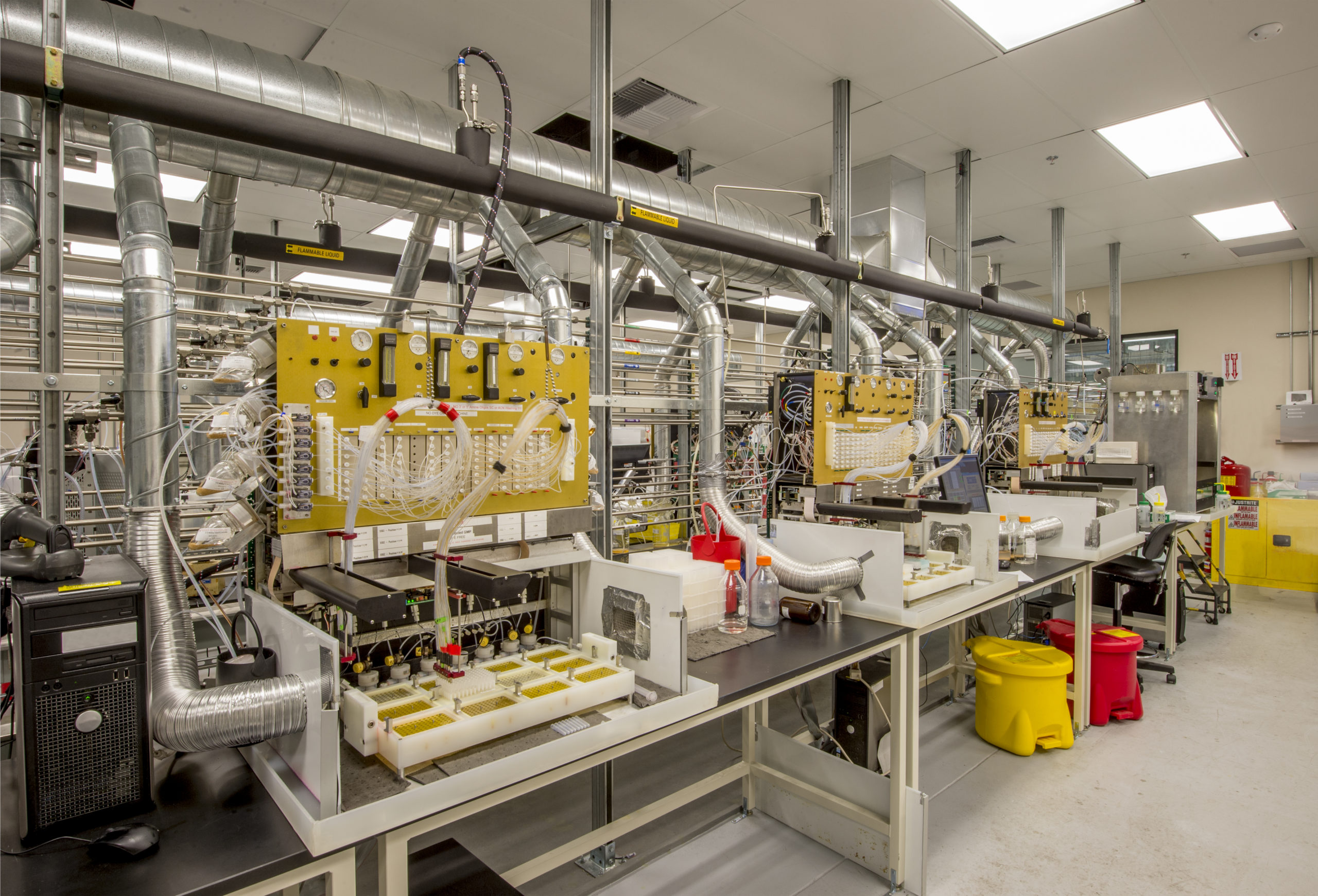
The partnership centers on a panel of 28 glycoengineered CHO (geCHO) cell lines derived from a GMP-ready parental line. These cells allow developers to systematically manipulate N-glycan structures, including high-mannose, sialylated, and fucosylated profiles. By incorporating the GlyCompare AI framework, Kemp Proteins can now correlate glycosylation patterns directly with preclinical performance, treating these features as intentional design elements rather than variable byproducts of the production process.
Dr. Carter Mitchell, Chief Scientific Officer at Kemp Proteins, noted that this capability shifts the focus from simply producing proteins to engineering their structure for improved antigen recognition and therapeutic stability. The technology is already being deployed in high-consequence health security programs, specifically for monoclonal antibodies targeting filoviruses like Ebola and Sudan virus. This initiative is supported by federal funding through BARDA and the Department of Health and Human Services, underscoring a national effort to bolster domestic biomanufacturing. Kemp CEO Mike Keefe emphasized that achieving consistent, reproducible protein production is a prerequisite for effective medical countermeasures against emerging biological threats.




Comments (0)
No comments yet. Be the first!