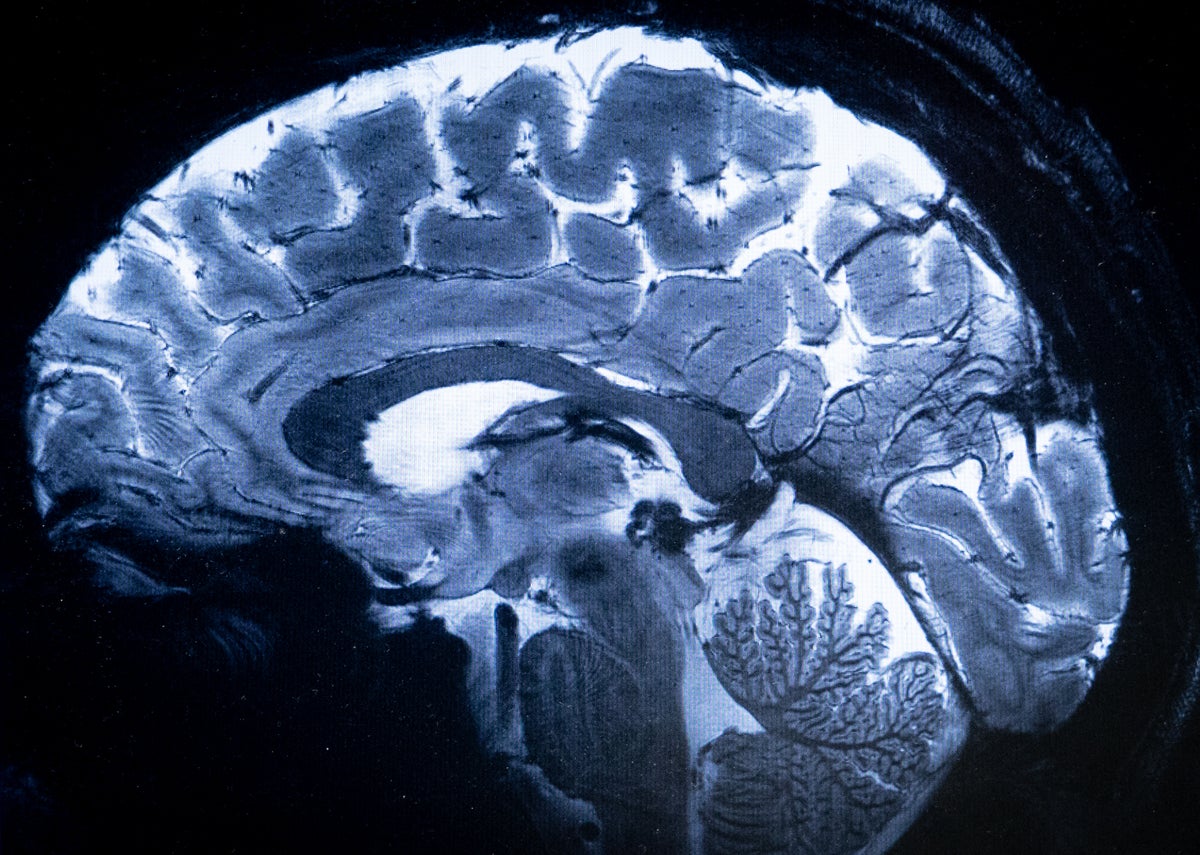
Glioblastoma remains one of the most aggressive primary brain tumors, with standard survival rates hovering around 15 months. Existing immunotherapies have largely failed to penetrate the disease's immunosuppressive, immune-cold microenvironment. BEA-17 aims to bypass these barriers by degrading key epigenetic regulators, which triggers viral mimicry and shifts macrophages into a pro-inflammatory state. Preclinical data indicates the compound significantly improves survival when paired with standard care, providing a potential edge over traditional catalytic inhibitors.
The current development phase involves GLP-compliant toxicology, safety pharmacology, and the production of clinical-grade drug batches. This work is supported by a 2.5 million euro EIC Transition grant under the Horizon Europe project known as GLIOBREAK. Per Källblad, CEO of Beactica, noted that the transition to these rigorous safety and manufacturing protocols is a defining step in readying the drug for first-in-human testing. The company intends to complete these requirements and submit its regulatory applications by 2027. Having already secured Orphan Drug Designation from the FDA, the program represents a critical attempt to break the two-decade stagnation in glioblastoma treatment standards.



Comments (0)
No comments yet. Be the first!