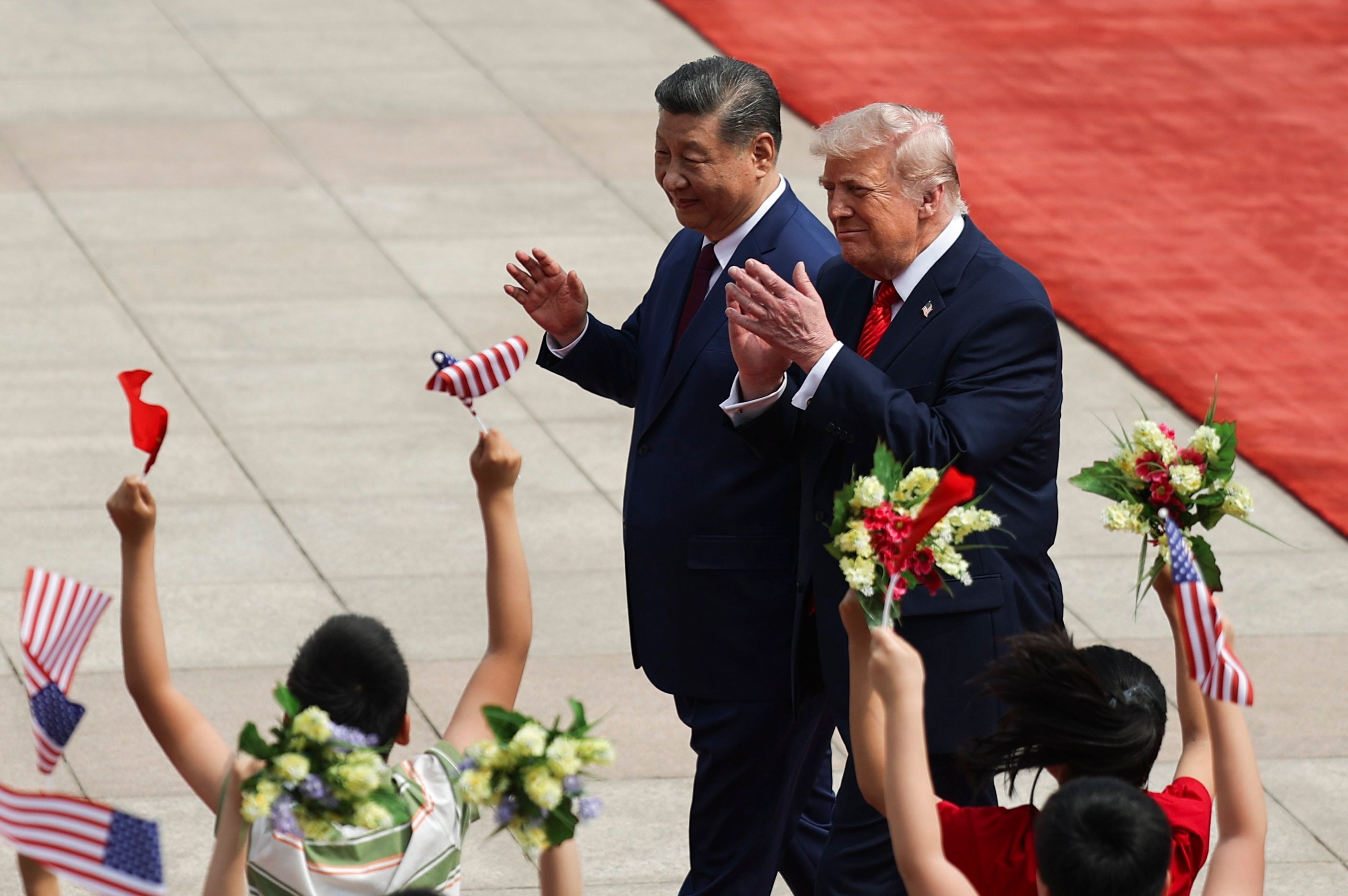
The upcoming discussions build upon a May meeting in Beijing, where both leaders established a vision for bilateral relations defined by four pillars: positive cooperation, disciplined competition, manageable differences, and predictable peace. This framework seeks to move beyond traditional confrontational models, aiming instead to institutionalize rules-based interaction in sectors ranging from trade and diplomacy to military affairs and artificial intelligence.
Since the Beijing summit, communication channels have expanded across government, business, and civil society, signaling a shift toward more resilient interaction. By prioritizing risk containment and expanding shared interests, the two administrations are attempting to translate high-level strategic blueprints into concrete institutional mechanisms. This visit serves as a test of whether the world’s two largest economies can effectively manage rivalry while maintaining a baseline of cooperation in an increasingly volatile global environment.




Comments (0)
No comments yet. Be the first!