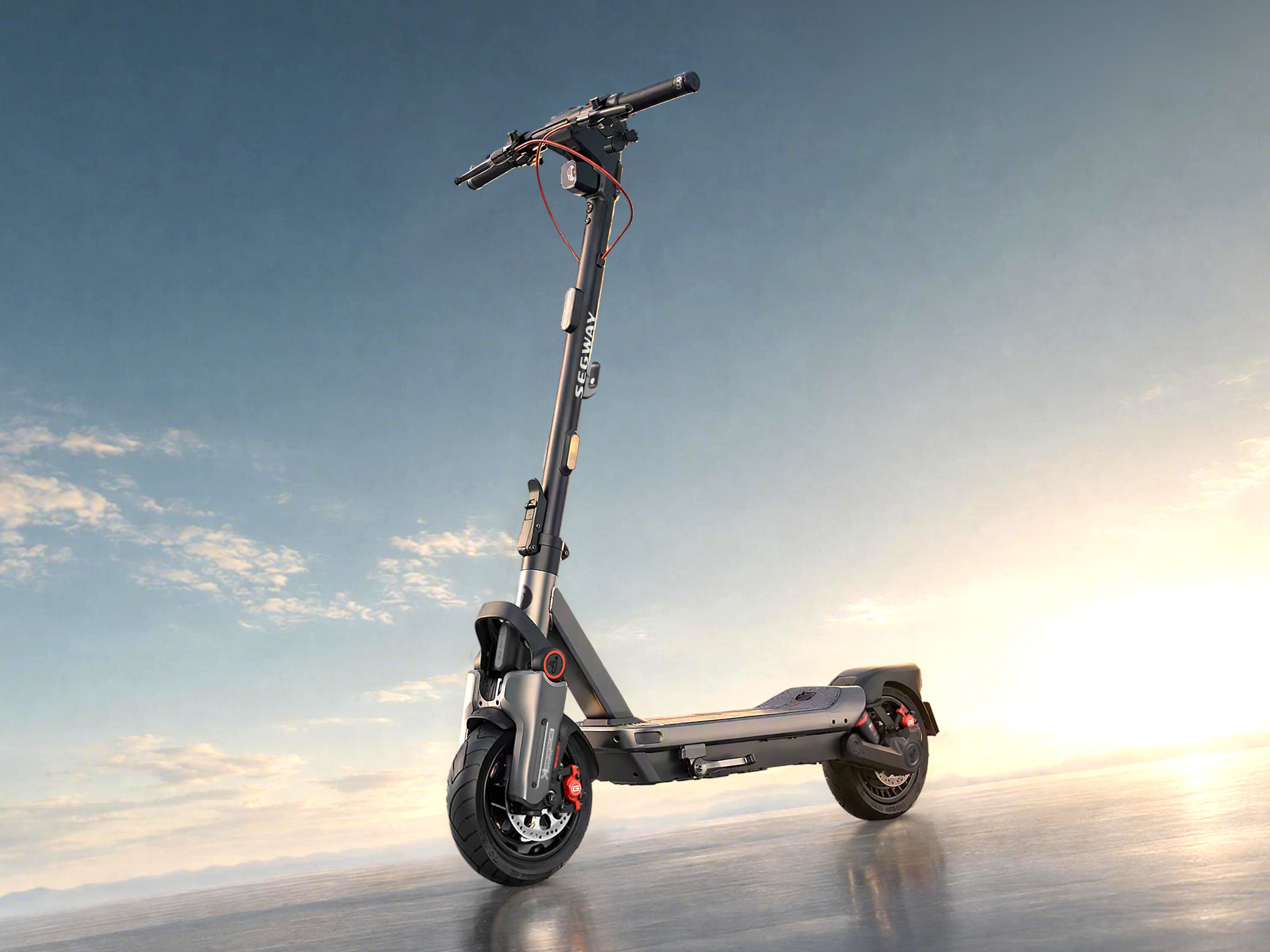
The event marked a strategic departure from the industry’s early "growth at all costs" mentality. Segway executives emphasized that success now hinges on Total Cost of Ownership (TCO), a metric that prioritizes vehicle uptime, maintenance efficiency, and energy consumption over initial purchase price. According to CEO Cid Wang, the company is positioning itself as a service provider rather than a mere hardware supplier to help partners stabilize their bottom lines.
To support this shift, Segway unveiled its third-generation R1 shared e-scooter and the C Series e-bikes, specifically the C100 and C200. These platforms utilize a modular architecture designed to increase component commonality and ease of repair. General Manager Alan Zhao noted that building cheaper vehicles is no longer the objective; the focus is on designing fleets that generate stronger returns over multi-year lifecycles. The company also introduced the F100, an e-bike tailored for delivery applications, signaling an intent to capture more first- and last-mile logistics volume. By aligning technology with the needs of operators, riders, and city regulators, Segway aims to extend the service life of its assets while integrating more seamlessly into urban infrastructure.




Comments (0)
No comments yet. Be the first!