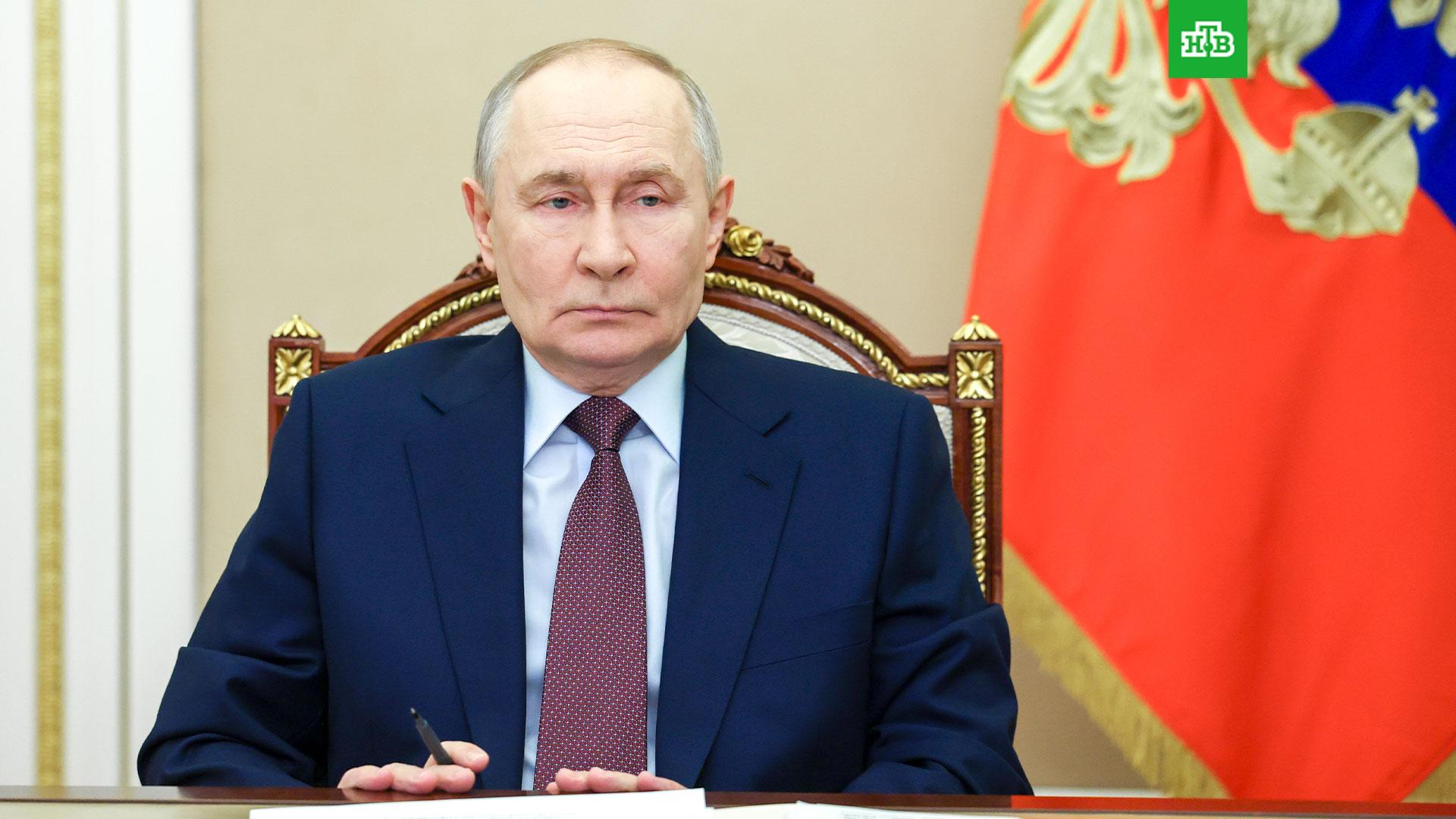
The arithmetic of the battlefield has turned against the Kremlin. Facing roughly 34,000 casualties per month against a recruitment rate of only 27,000, the Russian state is preparing to widen its net. Sources within the European Union’s energy security complex indicate that a new mobilization wave could target between 300,000 and 600,000 individuals. To ensure compliance, the government has integrated its digital military registry with border security, effectively trapping potential conscripts the moment a draft notice is issued. Municipal administrations are already forcing private businesses to formalize their roles in this expanded logistical machine.
Simultaneously, Putin is testing the limits of NATO’s Article 5 through a campaign of sabotage and grey-zone operations. From the severing of the EstLink 2 interconnector to failed drone attacks on German infrastructure, these incidents serve as tactical probes. Military analysts suggest the Suwalki Gap and the Swedish island of Gotland are the most likely flashpoints for a future 'accidental' incursion. By controlling these corridors, the Kremlin could theoretically isolate the Baltic states from their allies, a move echoing the territorial expansionism of Peter the Great.
These aggressive posturing efforts coincide with a rapidly deteriorating domestic economy. New U.S. sanctions, formalized in the 'Lindsey O. Graham Sanctioning Russia and Iran Act of 2026,' impose tariffs as high as 500% and threaten secondary penalties on major importers of Russian energy. With Russia’s National Wealth Fund liquid assets dwindling to just 1.8% of GDP and the Central Bank slashing growth forecasts, the Kremlin’s ability to sustain both a prolonged conflict and a domestic social contract is nearing a breaking point.




Comments (0)
No comments yet. Be the first!