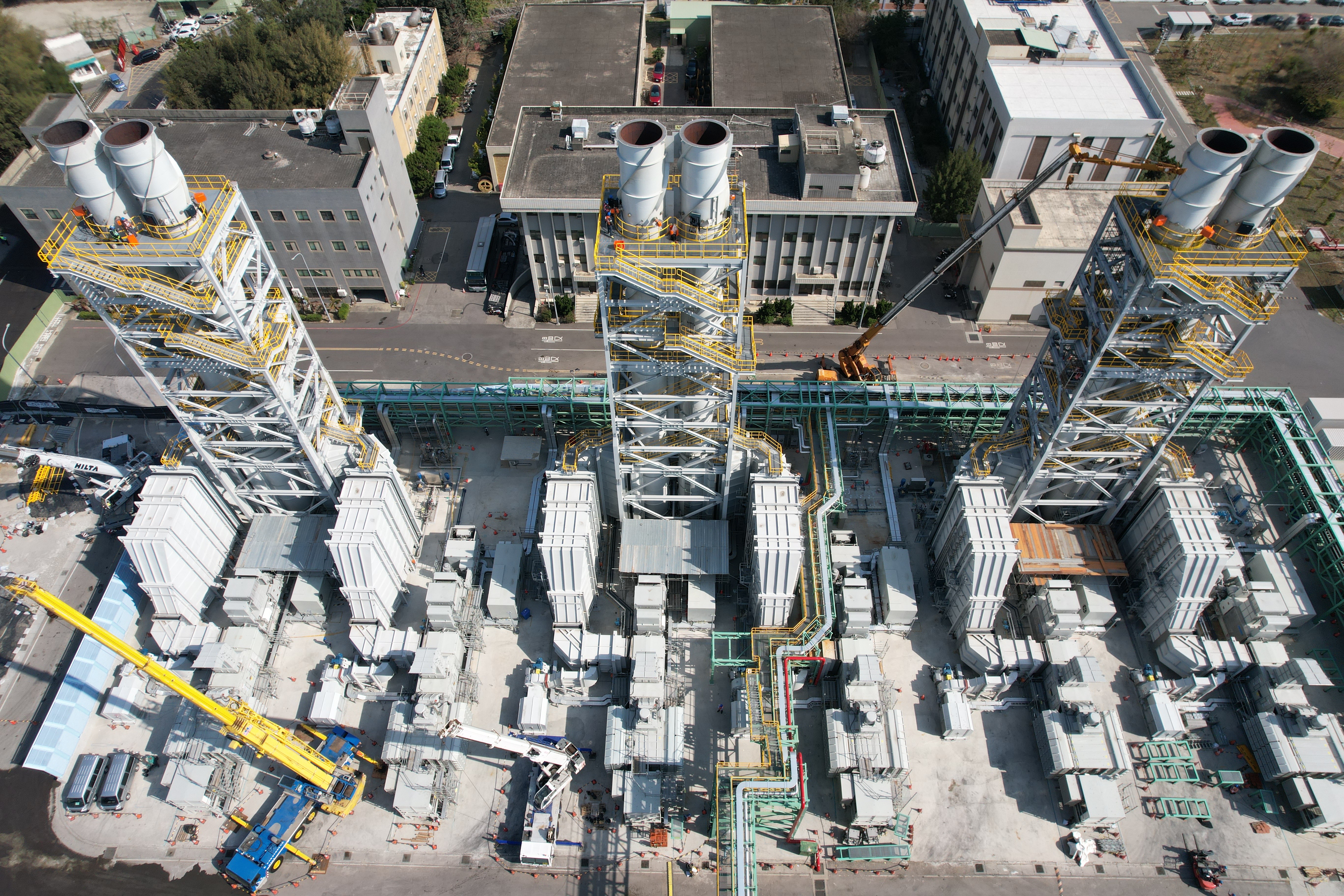
Unlike many nations that pass volatile energy costs directly to businesses and households, Taiwan is opting for direct state subsidies to maintain price stability. The Ministry of Economic Affairs warned that without these supplementary budgets, both CPC and Taipower would lose their ability to serve as shock absorbers against global market fluctuations. CPC in particular faces mounting pressure, as it lacks the margin to reconcile the gap between current international oil prices and domestic retail rates.
Taiwan’s vulnerability stems from its extreme reliance on imports, which account for up to 97% of its total consumption. With natural gas, coal, and oil fueling nearly 90% of the island’s power grid, shifts in Middle Eastern supply chains pose an existential threat to industrial output. The situation is compounded by the needs of the semiconductor industry, where TSMC alone accounts for 8% of the entire island’s electricity demand. While increased liquefied natural gas shipments from the United States have mitigated the risk of acute shortages, the high cost of these supplies necessitates state support to keep Taiwan’s exports competitive on the global stage.



Comments (0)
No comments yet. Be the first!