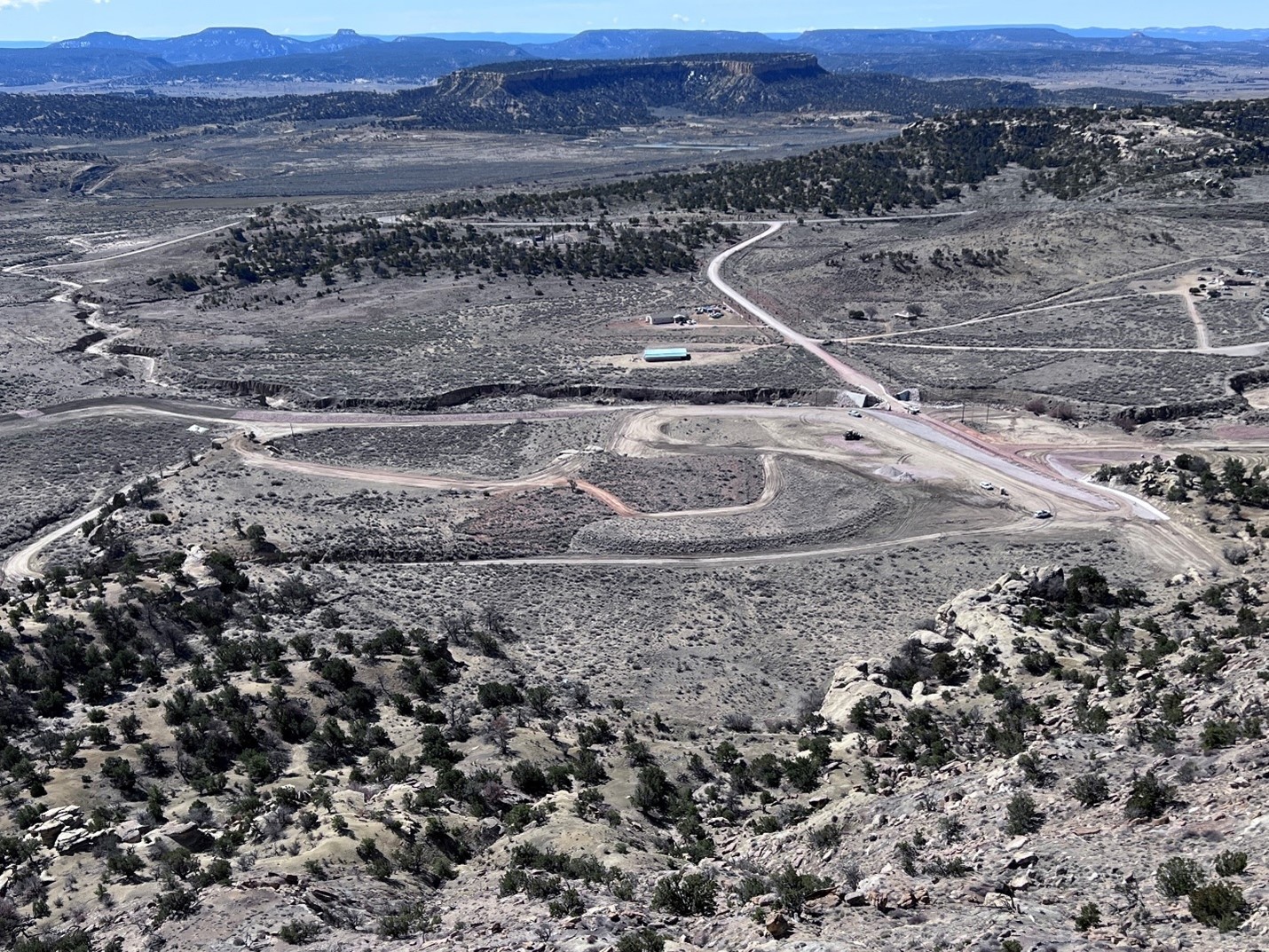
NTEC officials emphasize that the No Name Permit, approved by the Office of Surface Mining, Reclamation, and Enforcement (OSMRE), does not authorize physical mining activity. Instead, it serves as a necessary administrative inclusion for a 5-year Mine Plan Permit. The company clarifies that the 500 million ton figure cited by opponents is a theoretical byproduct of federal air-modeling requirements rather than a production target. Actual mining remains governed by five-year increments, a process that has been in place since the Navajo Mine lease was first established in 1957.
The company maintains that the approval followed a rigorous multi-year federal review, including compliance with the Endangered Species Act and the National Historic Preservation Act. Local support remains a cornerstone of their defense, with NTEC noting that it has conducted 83 community presentations and secured resolutions from 14 chapters and all five Agency Councils. Regarding potential land use, NTEC reports that only three permittees are affected by the new area, and existing relocation agreements—which predate the company’s ownership—will govern any necessary transitions.
Economic impacts remain a central focus for the Navajo Nation. With mine revenue accounting for approximately 25% of the Nation’s general fund, NTEC argues that the project is vital to the region's financial stability. The company recently demonstrated its commitment to land restoration by returning a 2,211-acre reclaimed parcel to the Bureau of Indian Affairs in 2025, marking the first time a company has met modern reclamation standards for coal mine land in the territory.




Comments (0)
No comments yet. Be the first!