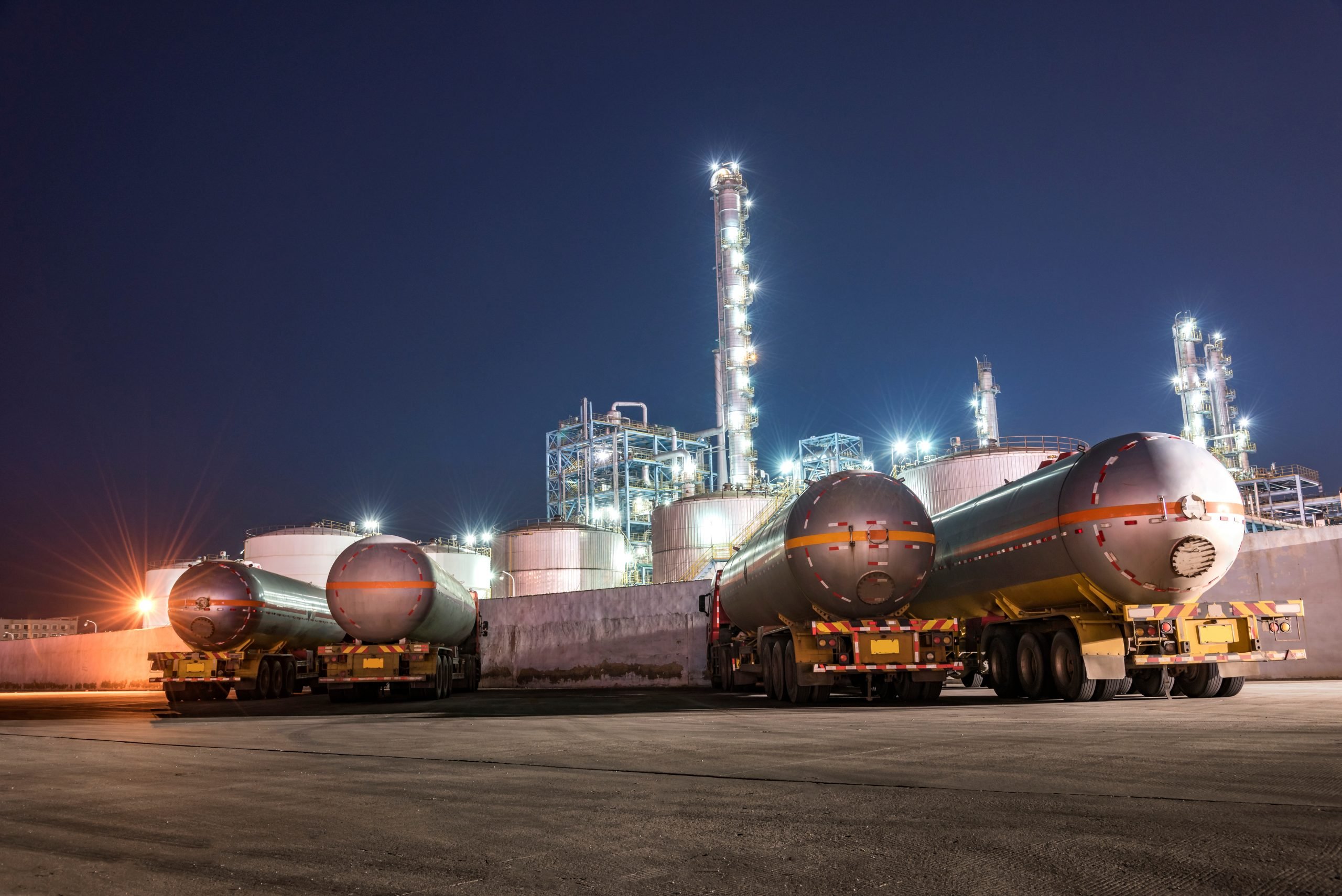
The initiative hinges on the proposed Partnership on Wide Energy and Resources Resilience, or POWERR Asia. Backed by a 1.5 trillion yen ($10 billion) support package, the framework aims to bolster regional stockpiles and protect vulnerable economies from the volatility currently gripping the Strait of Hormuz. Japan, which relies almost entirely on energy imports, intends to position itself as the primary conduit between Gulf producers and the broader Asian market.
To solidify this strategy, Japanese officials are scheduling high-level dialogues with representatives from Saudi Arabia and the United Arab Emirates. These talks seek to deepen ties between major Middle Eastern exporters and their Asian counterparts, preventing a repeat of the fuel shortages that crippled nations like the Philippines, Indonesia, Malaysia, and Vietnam earlier this spring. Following the success of an IEA-coordinated release of 400 million barrels of crude, Tokyo is now pushing for a permanent, collective response mechanism to ensure long-term regional stability.




Comments (0)
No comments yet. Be the first!