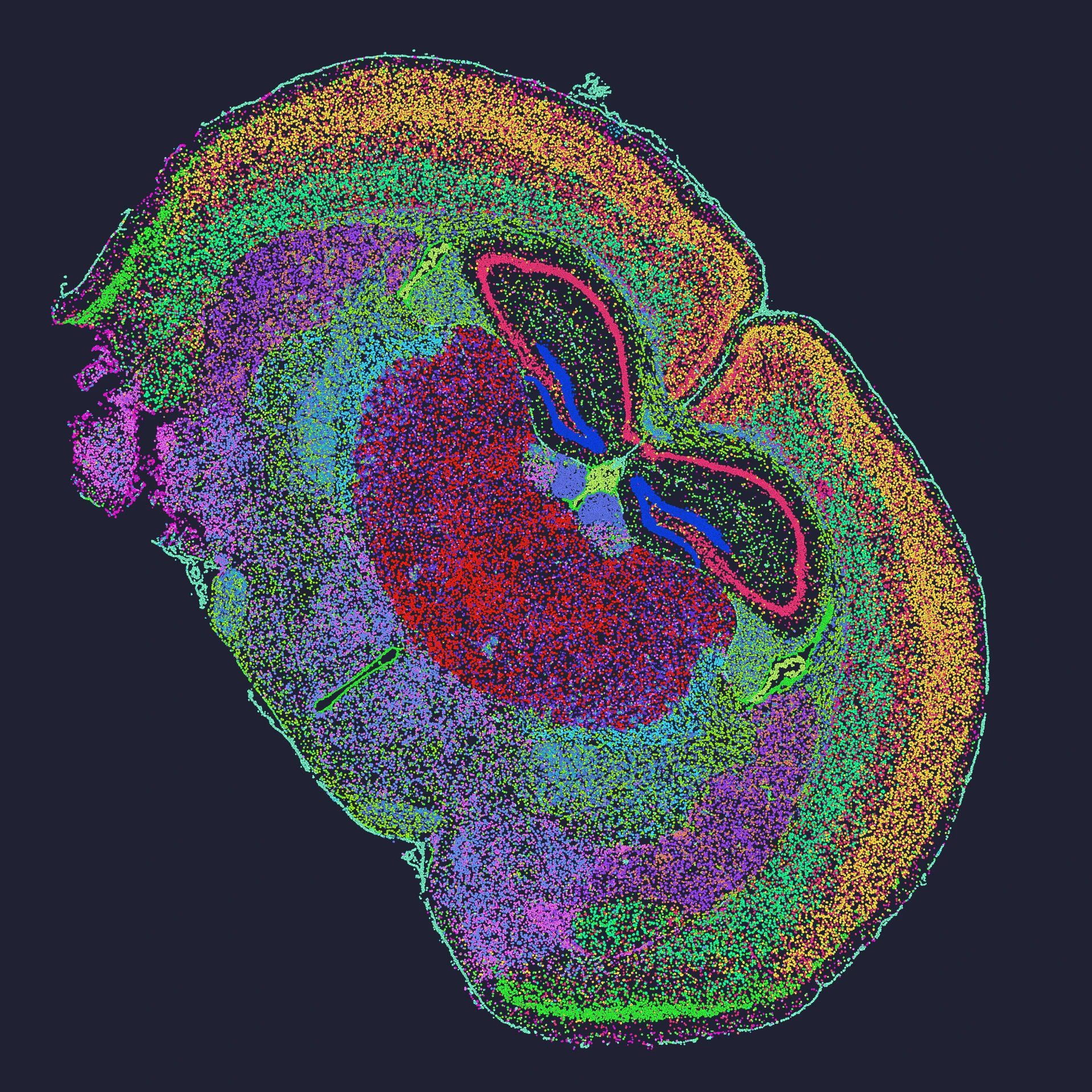
Standard spatial transcriptomics often struggles with the limitations of capture areas when examining structurally diverse or large-scale tissue sections. By extending the Stereo-seq OMNI V1.1 workflow to support chip formats up to 2 cm by 3 cm, MGI aims to simplify the analysis of tumor environments and complex immune organizations. This advancement allows investigators to observe cell interactions and molecular signals across wider areas without the need to mosaic data from multiple separate experiments.
Fang Chen, MGI Vice President and General Manager of Europe & Africa, noted that the design addresses the growing demand for spatial context in molecular research. Beyond the large-chip format, MGI showcased its integrated ecosystem, including the Go Spatial automation system and StereoLink for H&E-guided tissue transfer. The company also highlighted VisiOmics, an automated multiplex immunofluorescence system that provides protein-level data to complement gene-expression maps. These tools collectively target the logistical challenges of sample preparation and interpretation in clinical and academic settings.




Comments (0)
No comments yet. Be the first!