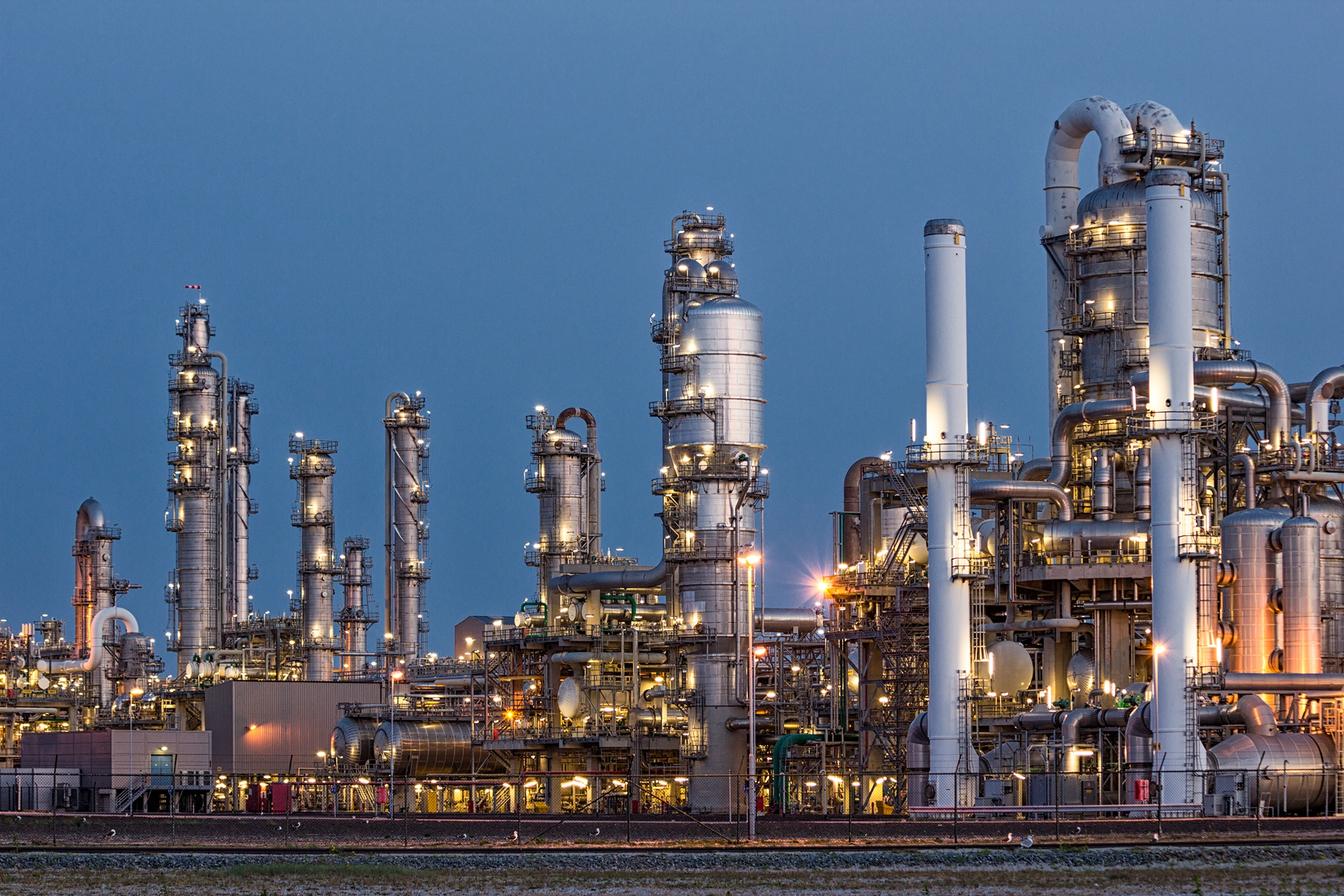
The proposal emerged during discussions between Malik and Libya’s Minister of Oil and Gas, Khalifa Rajab Abdulsadek, held on the sidelines of an energy summit in Saudi Arabia. This pivot follows a period of intense volatility for Pakistan, which has faced record premiums for fuel imports and soaring LNG costs since the escalation of hostilities in the Middle East. Beyond diversifying its supplier base, Islamabad is pursuing a broader energy security overhaul. This includes upgrading existing refinery infrastructure and accelerating domestic exploration efforts. A Turkish seismic vessel is scheduled to arrive next month to begin data acquisition in the Indus Basin, while the Oil and Gas Development Company Limited has partnered with Canada’s Synergetic Oil Tools Inc. to deploy technology aimed at maximizing output from heavy crude fields. As traders scout for alternatives in the U.S., Nigeria, and Central Asia, these measures underscore an urgent transition toward a more resilient, multi-sourced supply chain.
Pakistan Seeks Libyan Crude to Buffer Against Middle East Instability
With regional conflict threatening traditional energy corridors, Pakistan is shifting its import strategy toward Libya. Petroleum Minister Ali Pervaiz Malik confirmed that the government is pushing domestic refineries to secure crude supplies from the North African nation to mitigate risks currently disrupting shipments from the Strait of Hormuz and the Red Sea.
When reusing this material a link to Money Talk is required.


Comments (0)
No comments yet. Be the first!