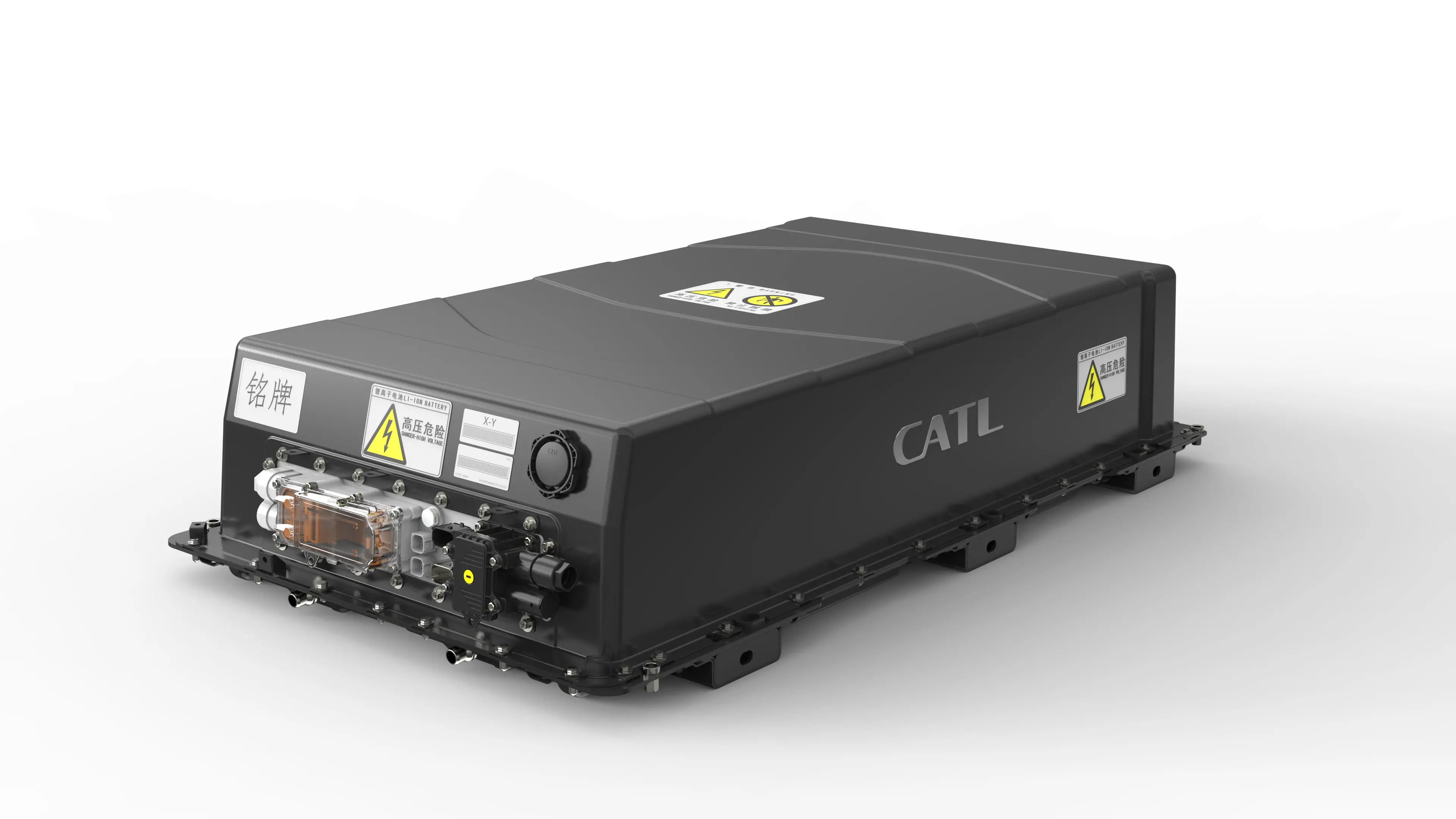
Jefferies analysts noted that robust shipment growth failed to fully offset weaker unit profitability. The company’s margins were squeezed by a shift toward energy-storage system sales, rising research and development expenditure, and inventory impairments. These challenges emerge as Chinese automakers increasingly explore in-house battery production, prompting investors to question whether the industry giant can sustain its current market dominance.
To signal confidence, CATL initiated a share buyback program in July, aiming to repurchase between $3 billion and $6 billion in stock. Bernstein analysts characterized this move as a clear statement that management views the current valuation as disconnected from the company’s long-term potential. Meanwhile, the firm is accelerating its international footprint, boosting production at its Hungarian plant and expanding battery-swapping infrastructure across Europe.
Despite holding a 39% global market share as of August, the company’s stock remains under pressure, sliding 7.8% in Hong Kong trade on Wednesday. Citi analyst Jack Shang lowered the bank’s target price to HK$732.0 from HK$765.0, citing a period of market adjustment before the stock might find its footing in early 2027.



Comments (0)
No comments yet. Be the first!