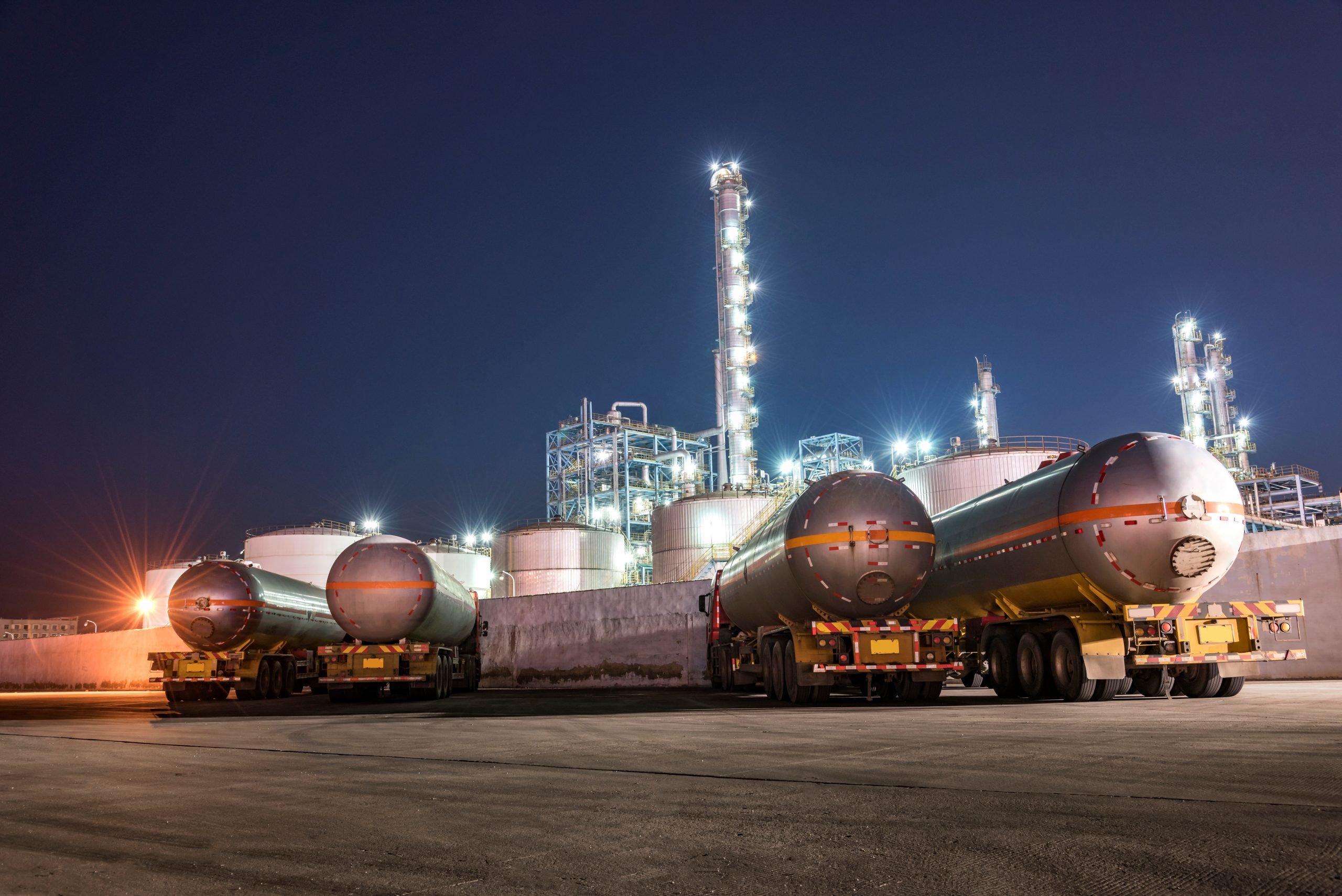
The volatility centers on the Strait of Hormuz, where war-risk premiums now account for $7 per barrel in added costs. Further expenses include $4 per barrel for elevated fuel consumption and another $4 for ship-to-ship transfers in the Gulf of Oman. These inefficient shuttles effectively drain vessel availability, creating a scarcity that ripples from supertankers down to smaller Aframax and Suezmax carriers.
In early October, supertanker rates for Gulf-to-East-Asia routes hit a record $1.4 million per day. Analysts at Goldman Sachs indicate that without a resolution to the regional crisis, these elevated costs will persist, threatening their baseline Brent crude forecast of $90 per barrel. The combination of potential infrastructure damage, intensified shipping attacks, and a persistent geopolitical risk premium suggests that the current price stability remains fragile.



Comments (0)
No comments yet. Be the first!