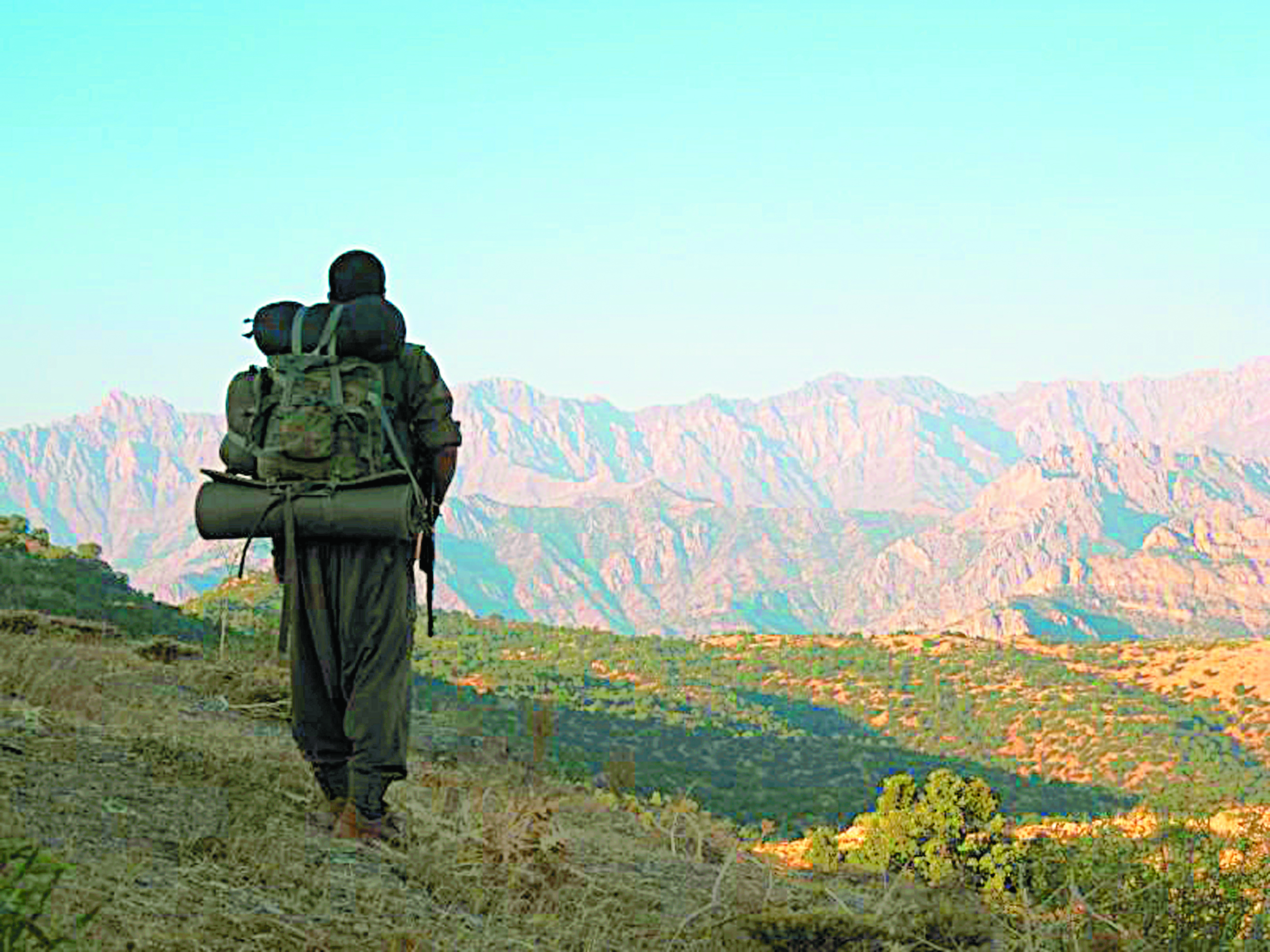
The PKK’s October 2025 withdrawal from Türkiye, intended to mark the end of four decades of hostilities, has hit a stalemate. While a peace law took effect in August 2026, the transition remains incomplete. Observers fear that demobilized fighters are not returning to civilian life but are instead gravitating toward the PJAK, the most active Kurdish faction operating within Iran. This shift places the Kurdistan Regional Government in an impossible position, squeezed between Turkish demands for total disarmament and Iranian threats of military retaliation.
Tehran has already signaled its intent, conducting repeated drone and missile strikes on border positions. Should experienced PKK cadres bolster PJAK ranks, Iran will likely abandon restraint in favor of deeper ground incursions. Such an escalation would shatter the recent security agreements between Baghdad and Ankara, further jeopardizing Iraq’s fragile sovereignty and critical infrastructure projects. For the United States, the situation presents a strategic dilemma: leveraging Kurdish groups against Tehran risks alienating its NATO ally, Türkiye, and potentially triggering a humanitarian crisis reminiscent of past regional failures.



Comments (0)
No comments yet. Be the first!