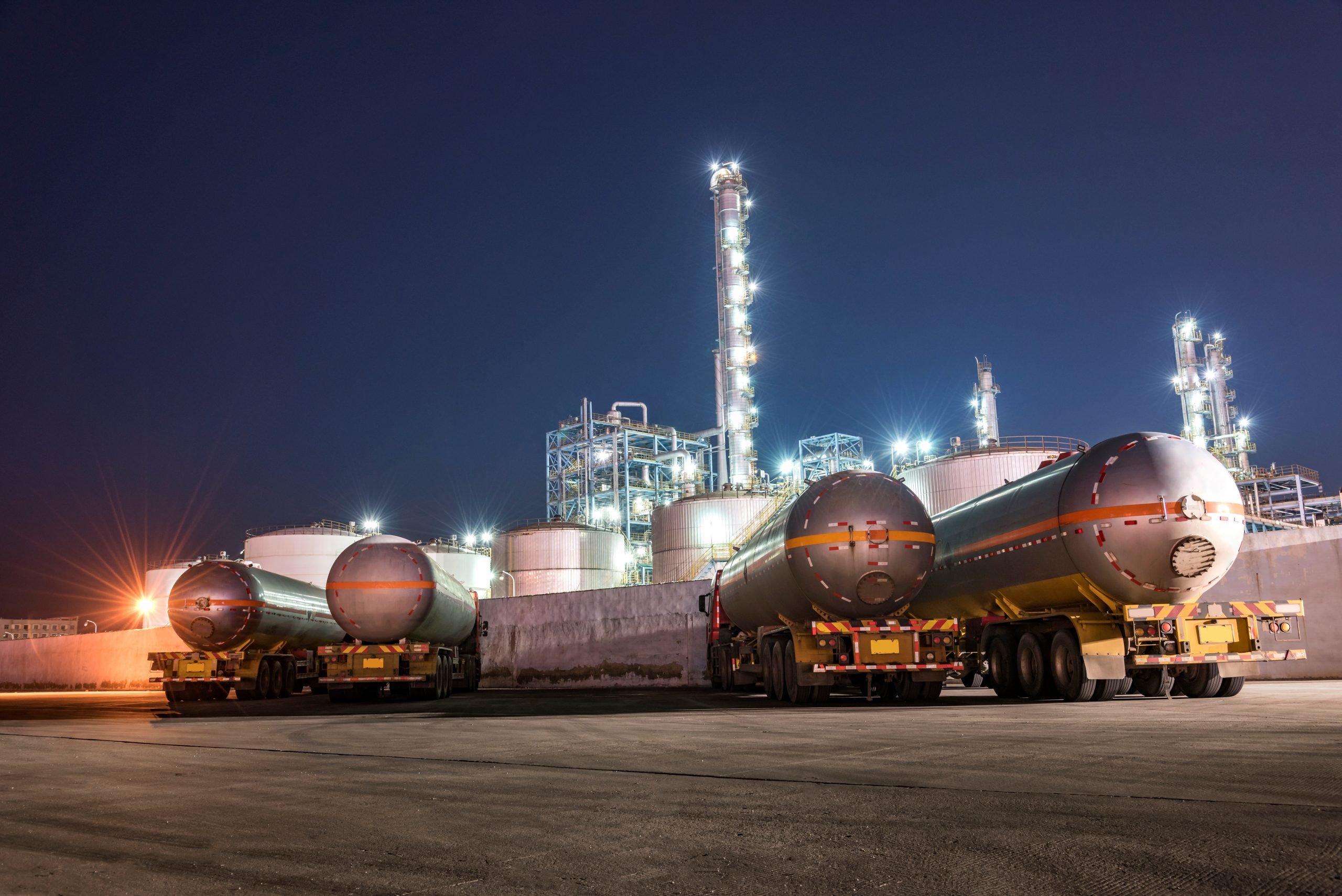
The supply shock exposed the fragility of Southeast Asian energy systems, triggering emergency rationing, work-from-home mandates, and forced four-day work weeks in countries like the Philippines. In the aftermath, a rapid solar boom emerged, yet this transition is faltering. A lack of grid capacity and maintenance, combined with inconsistent power purchase agreements and licensing bottlenecks, has led to the cancellation of numerous renewable projects. Without a more robust transmission network, the region’s pivot toward clean energy remains precarious.
Meeting future requirements will be an immense financial undertaking. A McKinsey report estimates that Asian nations must invest $1 trillion annually over the next 15 years to secure energy stability. By 2040, regional demand is projected to hit 370 million terajoules—a 15 percent increase over previous forecasts—driven largely by the proliferation of artificial intelligence data centers, industrial expansion, and rising cooling needs. While $300 billion is earmarked annually for wind and solar, the reliance on fossil fuels persists. McKinsey anticipates that coal will remain central to the energy mix longer than expected, as declining usage in China is balanced by rising consumption in India and Southeast Asia.



Comments (0)
No comments yet. Be the first!