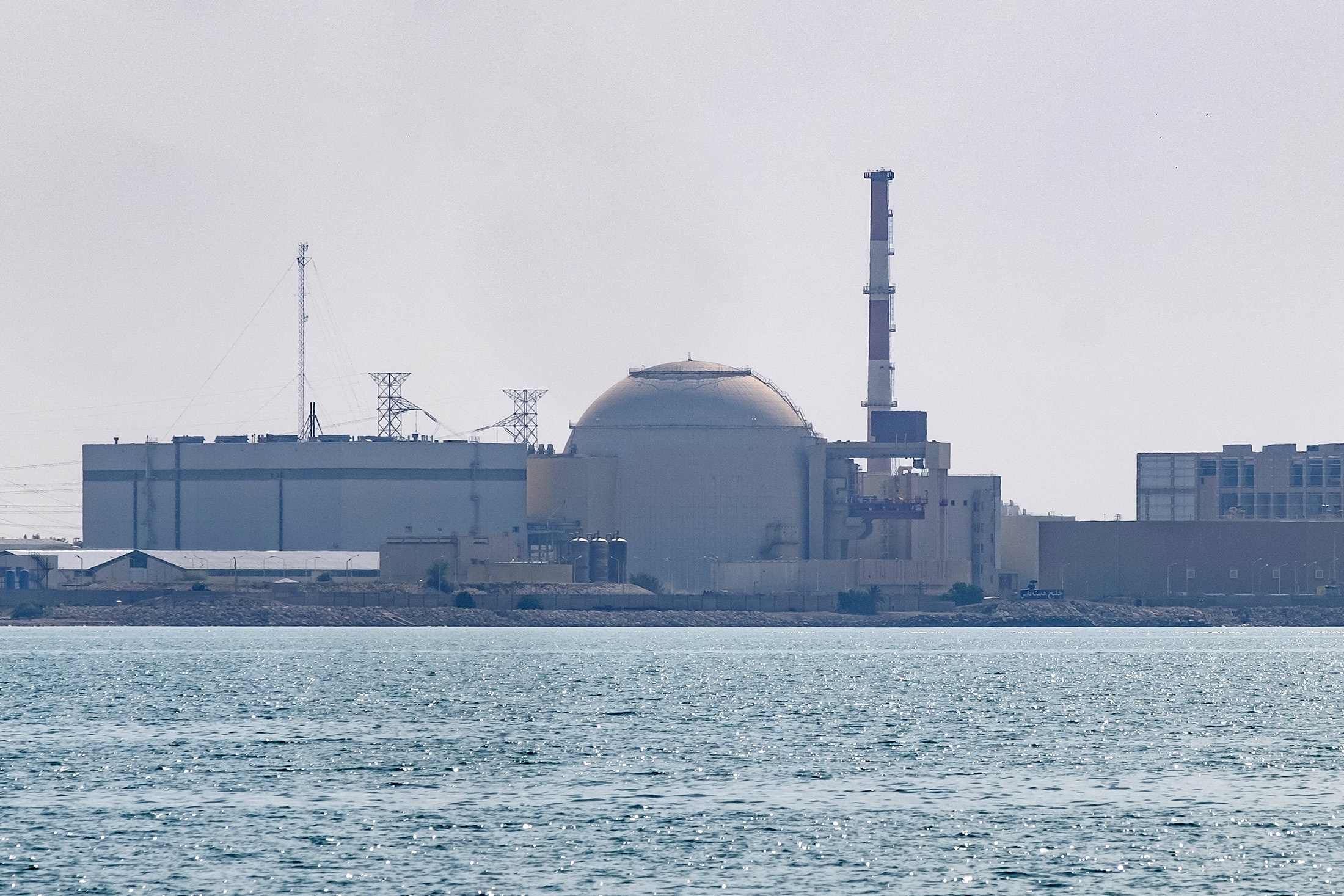
Russia’s state nuclear corporation, Rosatom, has ramped up activity at the Bushehr facility, with 135 engineers back on-site as of October 11 following a temporary evacuation earlier this year. Beyond completing the original site, the partners signed a $25 billion agreement in September 2025 for the Sirik power plant. This new project, located in the Hormozgan Province, aims to generate 5 gigawatts of electricity, effectively dwarfing the capacity of the current Bushehr complex.
Strategic Shifts and Oversight Gaps
The deepening ties occur under the formal umbrella of a Comprehensive Strategic Partnership Treaty that took effect in October 2025. While Russia secures commercial influence and leverage in negotiations with Washington, Iran gains essential fuel and technical expertise. Analysts at Israel’s Institute for National Security Studies characterize Moscow’s current approach as a calculated balancing act, providing limited assistance to Tehran while avoiding a total rupture in its own relations with the United States.
This expansion coincides with a significant decline in international transparency. The International Atomic Energy Agency reported in June that it has been unable to conduct inspections at four sensitive uranium enrichment facilities. Nonproliferation experts warn that this lack of oversight, combined with Iran’s continued production of 60 percent enriched uranium, creates a precarious environment. Because this material can be rapidly upgraded to weapons-grade levels, the Arms Control Association noted in a June 2025 assessment that the current trajectory lacks clear civil justification and complicates regional security efforts.




Comments (0)
No comments yet. Be the first!