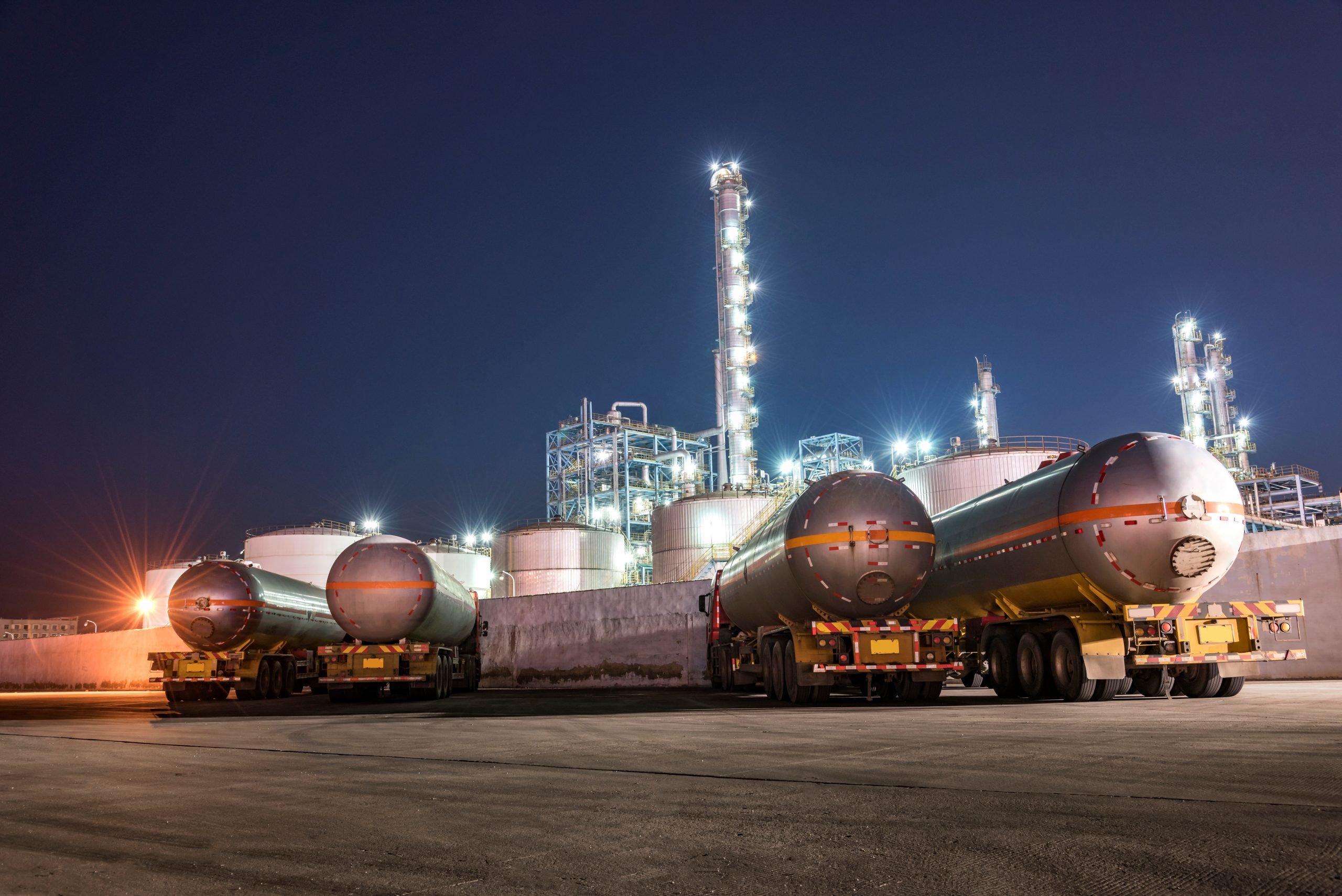
The landscape of global energy trade has undergone a profound transformation. Before the conflict, the European Union absorbed 48% of Russian crude exports; by September, that figure plummeted to 4%. This vacuum was rapidly filled by China, India, and Turkey, whose combined share of Russian crude intake surged from 29% to 77%. This shift highlights the inherent fungibility of oil markets, where sanctions have redistributed the map of global supply rather than constricting the total volume reaching the market.
Despite the resilience of crude exports, domestic vulnerabilities are mounting. Ukrainian drone strikes on refineries have forced Russia into the unusual position of importing refined petroleum products to meet internal demand, a factor contributing to elevated global fuel prices. Moscow relies heavily on a shadow fleet of tankers—operating outside Western insurance and financing systems—to maintain its export momentum. This reliance underscores the limitations of financial warfare, as Russia effectively continues to bypass G7 price caps by trading with jurisdictions that have not joined the Western embargo.



Comments (0)
No comments yet. Be the first!