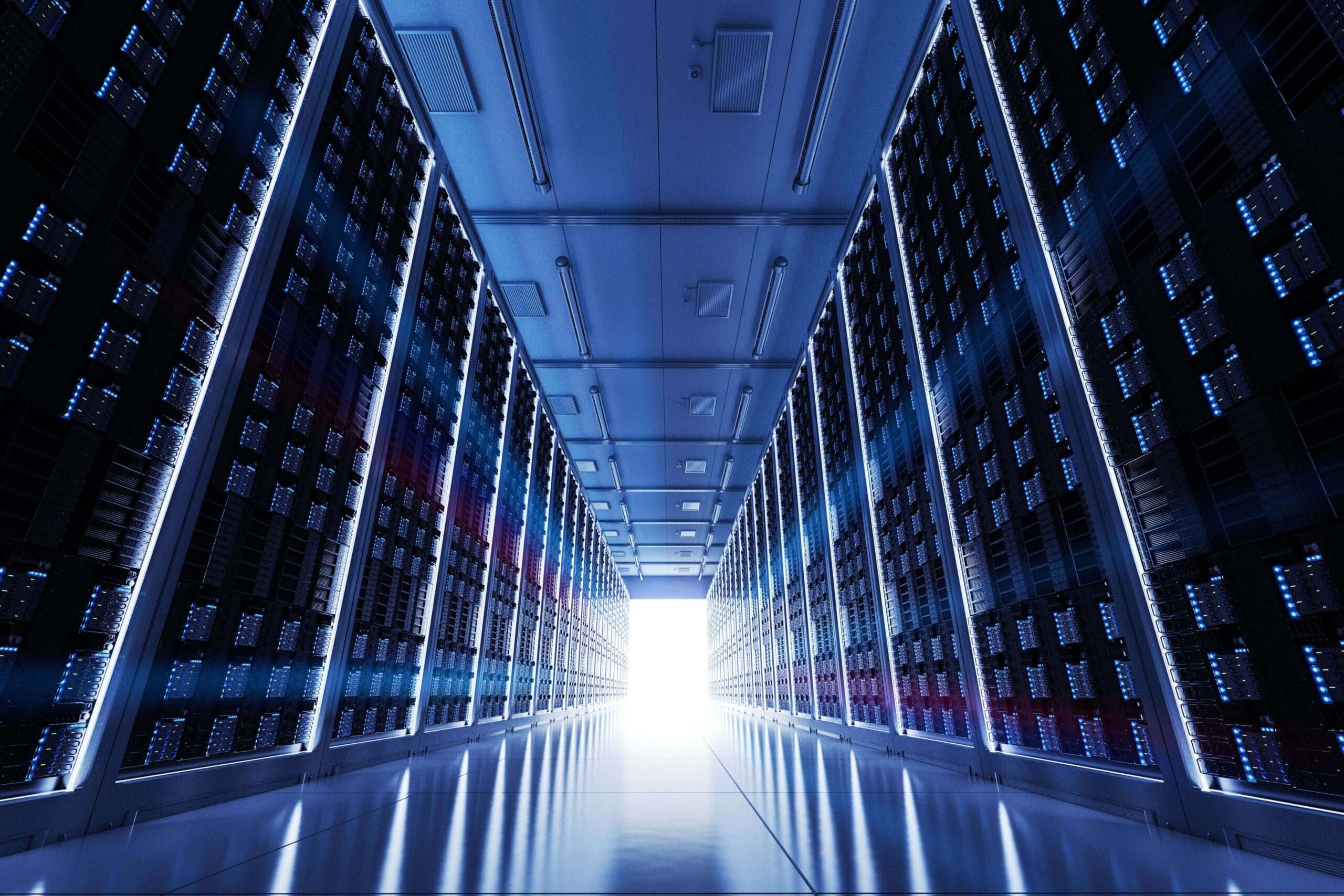
The project, titled E-CALC (Energy Calculus for ML Lifecycle Optimization), recently secured $1.83 million in funding from the Defense Advanced Research Projects Agency. For two years, the team will work to solve a critical issue: the sector currently lacks granular data on how much electricity AI processes consume. Without precise measurement, developers often rely on inefficient trial-and-error configurations, which can waste up to 30% of power during model training alone.
By enabling developers to estimate energy usage from data processing through to real-world deployment, the software aims to minimize waste without sacrificing performance. This capability is particularly vital for military and defense applications, where remote computing systems operate under rigid power constraints. Mosharaf Chowdhury, the project's principal investigator, notes that unchecked energy growth threatens to strain critical power infrastructure and hinder the deployment of advanced technologies. The initiative seeks to balance the widespread adoption of machine learning with the practical necessity of reducing electricity demand.


Comments (0)
No comments yet. Be the first!