
Iranian President Masoud Pezeshkian confirmed that the Supreme Leader has empowered his government to pursue dialogue, while Foreign Minister Abbas Araghchi noted that a proposal to reopen the Strait of Hormuz is under discussion in Qatar. Tehran’s conditions include the lifting of oil sanctions and an end to the naval blockade, though officials maintain that no direct talks with the United States are occurring. President Trump has signaled a preference for a diplomatic resolution, tempering pressure from Israeli Prime Minister Benjamin Netanyahu to resume strikes following Tuesday’s midterm elections.
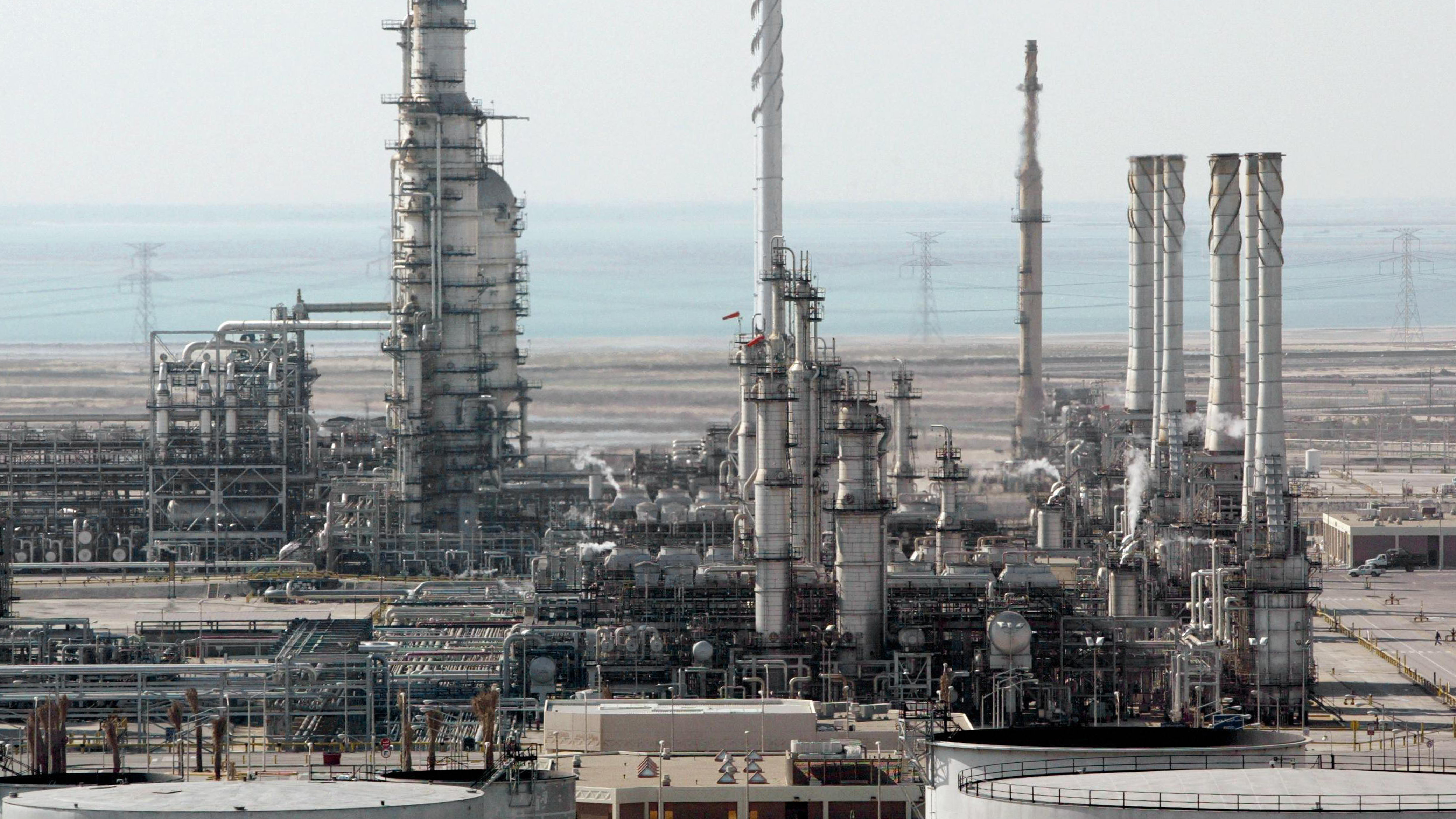
Market volatility remains high, with Goldman Sachs estimating that geopolitical tensions previously added $27 per barrel to the price of crude. While Brent briefly spiked to $118 last month, analysts at Goldman, ANZ, and UBS are adjusting their long-term forecasts upward, noting that the market will only stabilize if a sustainable diplomatic framework emerges. Meanwhile, OPEC+ producers decided on Sunday to maintain current production targets, and regional infrastructure remains a flashpoint following recent reports of projectile strikes near the Strait of Hormuz and Saudi refinery facilities.


Comments (0)
No comments yet. Be the first!