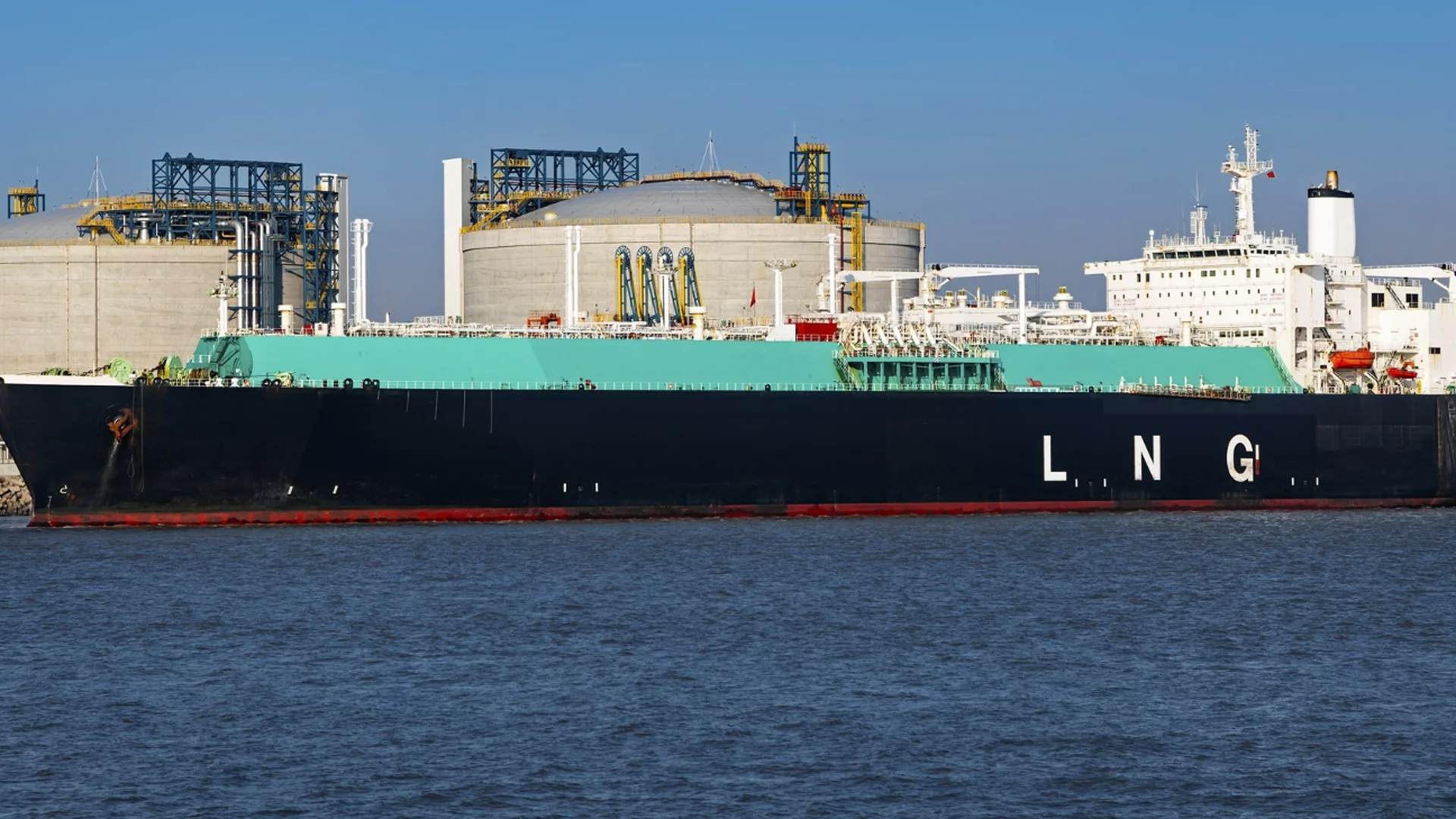
The International Energy Agency estimates that the war involving Iran has removed 60 billion cubic meters of LNG from global markets in the eight months leading to October. While increased production in the United States and Africa has offset some of this loss, the global supply is projected to contract by 3% this year. This decline marks the steepest annual drop on record, occurring just as the rapid expansion of AI-driven data centers creates a massive, inelastic demand for reliable baseload power that wind and solar cannot currently provide.
Despite the production shortfall, QatarEnergy is pivoting toward a strategy of becoming a major purchaser of U.S. gas, recently securing long-term agreements with Cheniere Energy and Woodside Energy. This move underscores a broader market shift where supply gluts, once predicted for this year, have been replaced by a scramble for long-term security. Although global gas consumption dipped by 1% over the first nine months of the year, analysts suggest this minor decline confirms the commodity's price inelasticity. As energy security concerns persist, the reliance on natural gas remains a cornerstone of industrial strategy, even as high prices force some markets to revert to coal.


Comments (0)
No comments yet. Be the first!