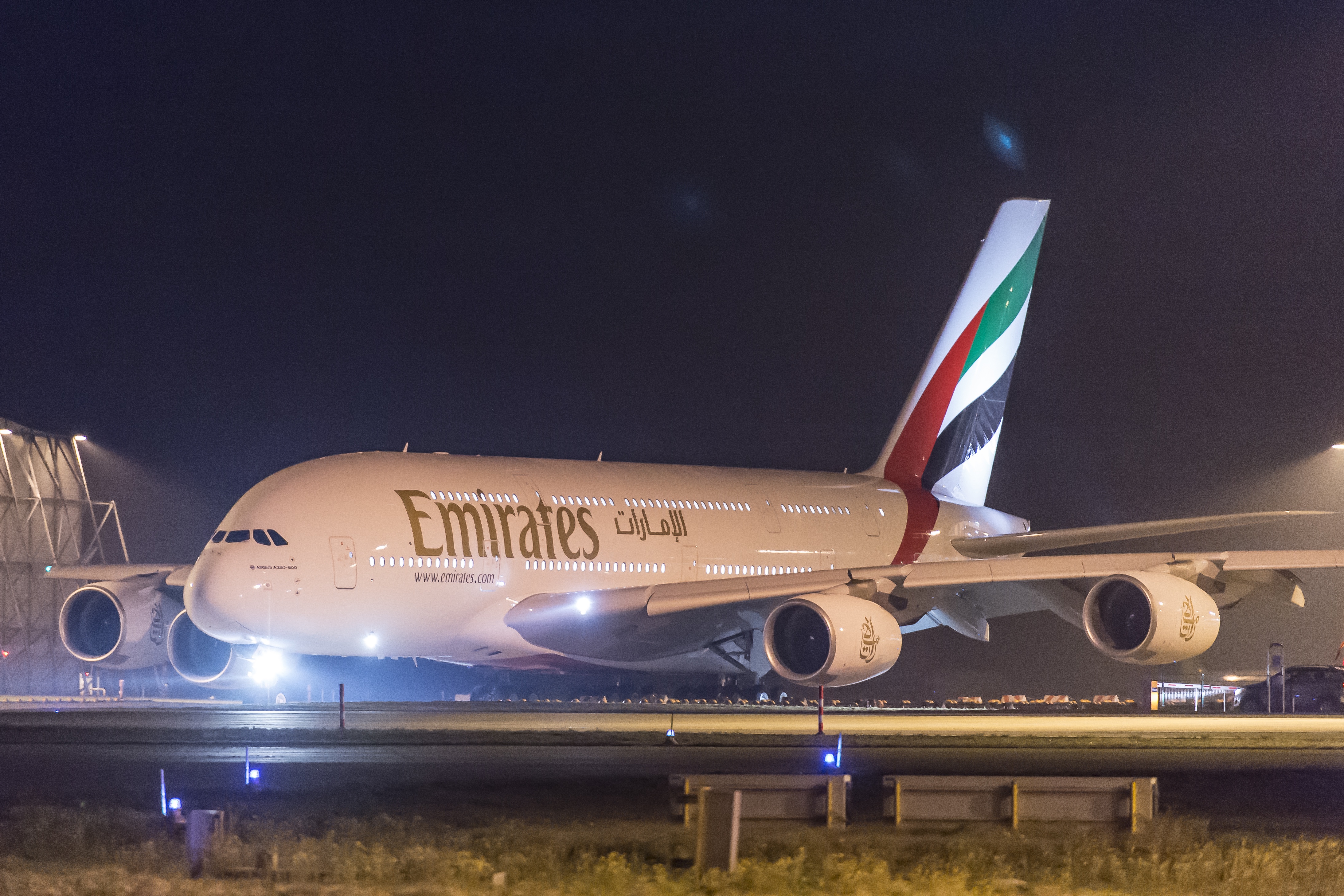
Emirates carried 21.8 million passengers in the first half, 22% fewer than the 27.8 million recorded in the same period last year. Airspace restrictions and closures across the region created significant operational challenges, while government travel advisories reshaped consumer choices and travel flows, the airline said.
Emirates Group, the airline’s holding company, reported profit of $980 million, also down by about two-thirds year over year. Though privately held, Emirates is watched by investors for clues about business conditions in the region. It is one of the world’s biggest international carriers by traffic flown and a key link for global travel and trade.
Fuel costs before hedging rose 60%. The closure of the Strait of Hormuz, through which around 20% of the world’s oil flowed before the war began on Feb. 28, sent jet-fuel prices soaring, the group said. Its hedging strategy limited the net increase in fuel costs to 13%.
Commercial aviation has faced mounting disruption as conflicts have spread, with airports, aircraft and airspace increasingly targeted by missile and drone attacks, the Wall Street Journal reported. Dubai International Airport was targeted by drones in March as Iran attacked Gulf transport and oil infrastructure. Oil prices fell more than 8% on Wednesday after Democrats won control of Congress in the U.S. midterm elections, amid expectations the result could increase pressure on President Trump to seek a diplomatic resolution to the Iran conflict.



Comments (0)
No comments yet. Be the first!