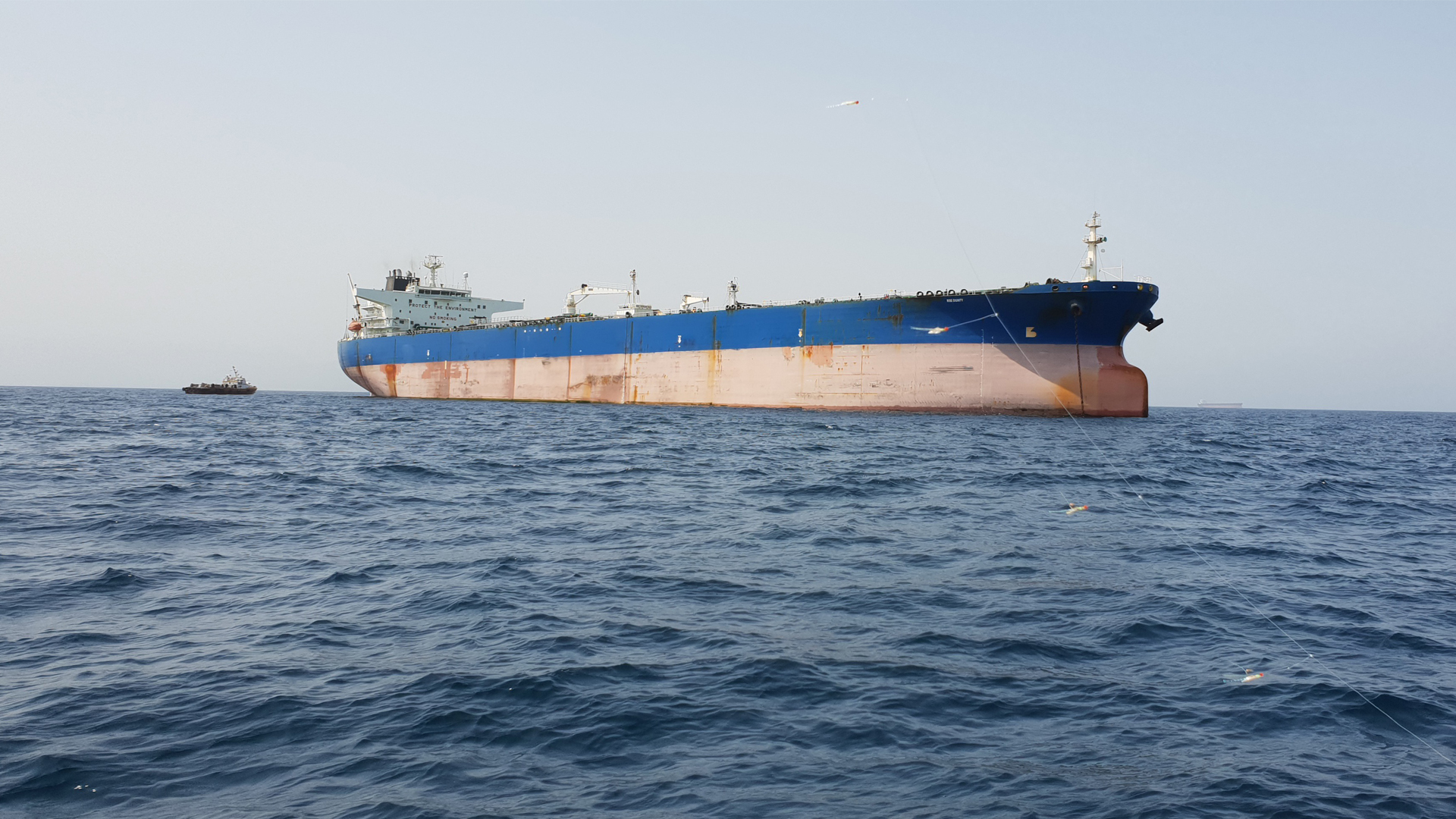
“Oil infrastructure such as refineries remains susceptible to drone strikes,” said Xavier Tang, senior market analyst for Vortexa. Gulf producers have therefore prioritized crude shipments over refined products, he said.
Qatar’s liquefied natural gas loadings have also increased. Bloomberg reported Tuesday that shipments reached 13 to 15 per 10-day period on a moving-average basis this month, up from about 11 in October and still roughly half of pre-war levels. The figures are based on Bloomberg, Kpler and Copernicus data.
More Qatari LNG reaching global markets could help Europe, where natural-gas inventories are well below seasonal norms. Gas prices are around 82 euros per megawatt-hour, down from more than 100 euros before positive diplomatic signals last week erased a substantial war-risk premium. One Qatari LNG tanker was attacked last month, but exports and Hormuz transits did not fall; previous attacks had slowed LNG flows through the strait.
The recovery comes as global stockpiles have been sharply depleted, while Ukraine’s continued attacks on Russian refineries point to tight markets well into next year, particularly for diesel. Europe’s seasonal storage withdrawals have already been underway for several weeks, closing the window to rebuild gas inventories.
Qatar is also seeking protection from prolonged uncertainty around Hormuz. It has agreed to buy up to 7 million tons of US LNG annually from Cheniere and Woodside, with deliveries due to begin in 2030 and 2031. The US-Iran conflict this year knocked out roughly 17% of Qatar’s export capacity, at an estimated annual revenue cost of $20 billion. The deals extend US LNG’s reach into the 2030s as one of the world’s largest exporters turns to a major rival for supply insurance.



Comments (0)
No comments yet. Be the first!