Brent crude for January delivery settled 1.4% higher at $92.76 a barrel. December West Texas Intermediate rose 0.6% to $86.53. The rebound followed declines after President Trump indicated further U.S. military action against Iran was unlikely for now, prompting hopes that negotiations could end the conflict.
“The market was a bit oversold,” said Phil Flynn, senior market analyst at the Price Futures Group, describing the recovery. Negative comments from Iran about talks had added uncertainty, he said, but traders were “waiting for more news.”
The Wall Street Journal reported that the U.S. had repeatedly struck Iran’s Qeshm Island, home to Revolutionary Guard missile and drone facilities. Tehran said Tuesday it had targeted an Omani island used to help ships navigate the Strait of Hormuz. U.S. and Gulf officials characterized the American strikes as defensive steps to protect commercial shipping, not preparations for a broader offensive.
Scott Shelton of TP ICAP said the oil selloff may have less room to continue without further progress in negotiations. Commodity trading advisers have largely unwound speculative long positions, potentially easing a source of recent selling pressure. MUFG said prices could struggle to sustain their decline without a lasting diplomatic settlement and greater confidence that ships can safely cross the strait. An earlier agreement to reopen the waterway lasted only a few weeks before attacks resumed.
Physical markets, however, show signs of excess supply in some regions. Physical Brent’s discount to futures reached $2.12 a barrel Monday, its widest in about five months, according to S&P Global Commodity Insights. High freight costs and cheaper Middle Eastern barrels have curbed Asian demand for North Sea crude, leaving several cargoes without buyers.
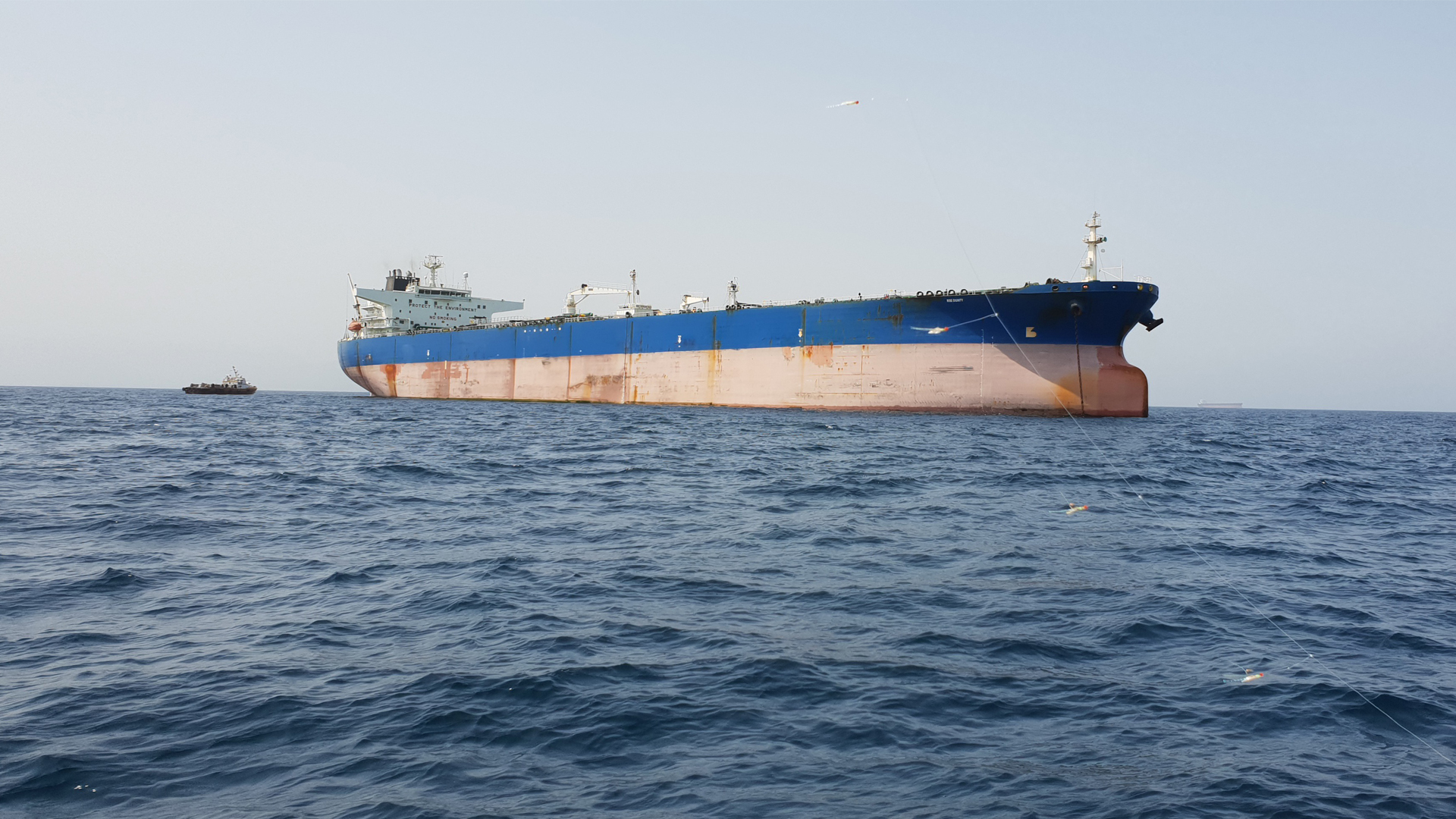
Tanker rates have started to ease after months of disruption. S&P Global Energy, citing Morgan Stanley data, said 13 of 27 major tanker rates posted unusually large weekly declines in the week through Nov. 8, a pattern seen only once since 2021.
The U.S. Energy Information Administration expects commercial crude inventories to rise as Middle Eastern production recovers and Asian demand for U.S. exports falls. It forecast stocks would grow from 416 million barrels at the end of January to 444 million barrels by the end of 2027. Flynn said continued supply growth would likely put oil prices under downward pressure.


Comments (0)
No comments yet. Be the first!