The IEA projects data centers will require 1,300 TWh of electricity in 2035. At more than 1,000 TWh, their 2030 demand would exceed Russia’s annual electricity consumption of 1,176.11 TWh, the article says. The growth adds pressure to energy grids as AI expands, prompting questions about how computing can stay within planetary resource limits.
Andrew Dzurak, founder of Australian quantum startup Diraq, told AFP that some problems targeted by newer AI systems are better suited to quantum calculations. Diraq is conducting what it describes as the world’s first field test of a quantum computer for a data-center application in Sydney. Dzurak said the technology would be ready to ease data-center burdens within five years, according to Phys.org.
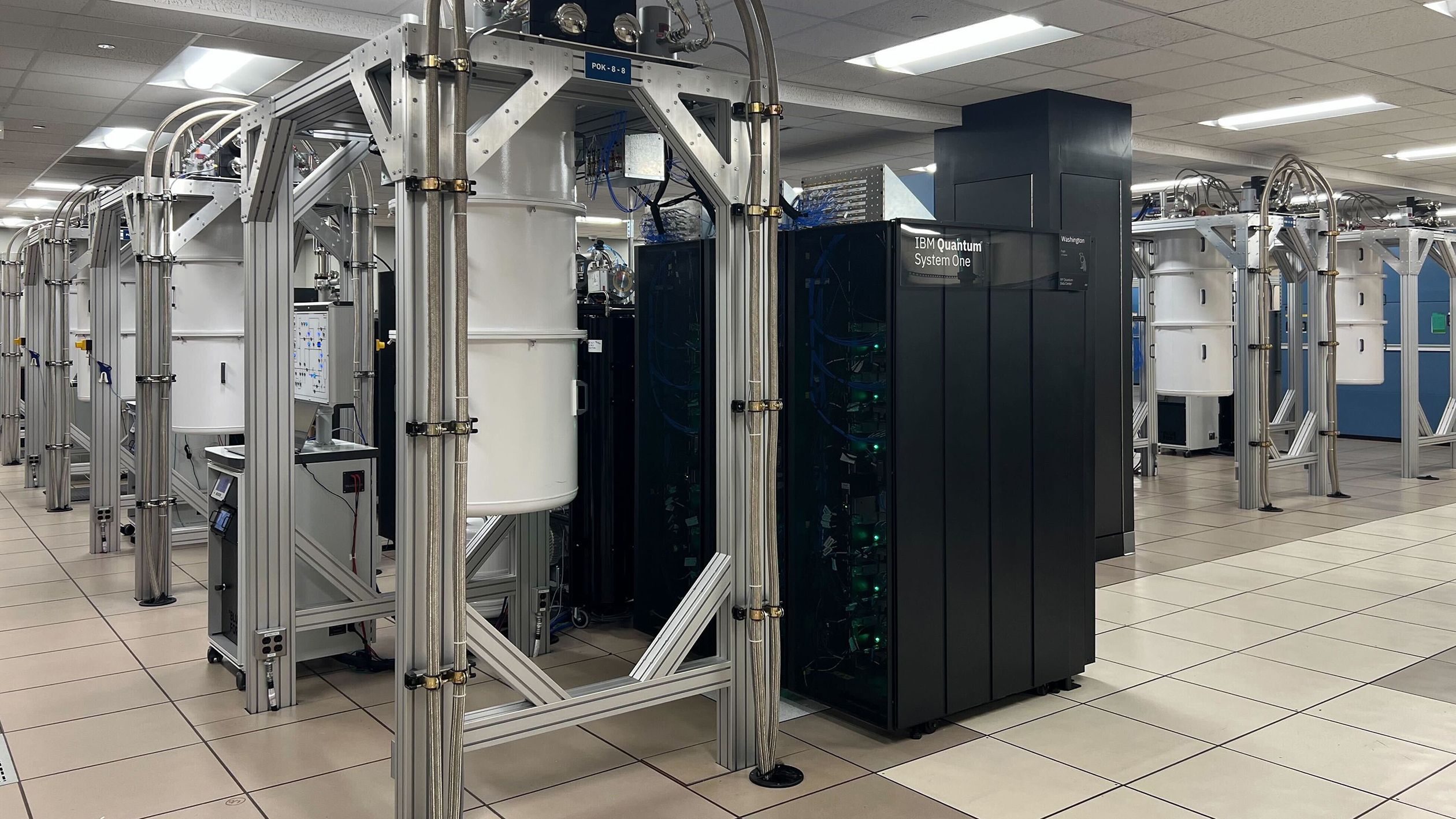
Quantum computers also consume significant energy, and most designs need extremely cold cryogenic conditions. But a September report by Semafor said the sector’s carbon footprint could remain relatively small compared with AI because quantum computing is more likely to address specific problems than serve as a general-purpose technology.
The technology could also alter how large language models work. IonQ President and CEO Peter Chapman told Forbes in 2024 that quantum systems could outperform GPUs on certain AI-processing workloads. He said simulating the company’s next-generation chip would require about 2.5 billion GPUs, while the chip itself would run using two standard wall sockets.
Australia is developing a cluster of quantum startups, while the United States is also backing the field. The Department of Energy is offering $215 million to help domestic firms develop a reliable quantum computer. Its Quantum Genesis Q Competition seeks proposals for systems with at least 100 logical qubits capable of hundreds of millions of fault-tolerant operations. The department has also invited national laboratories to propose a testbed for verifying the performance of fault-tolerant quantum computers.



Comments (0)
No comments yet. Be the first!