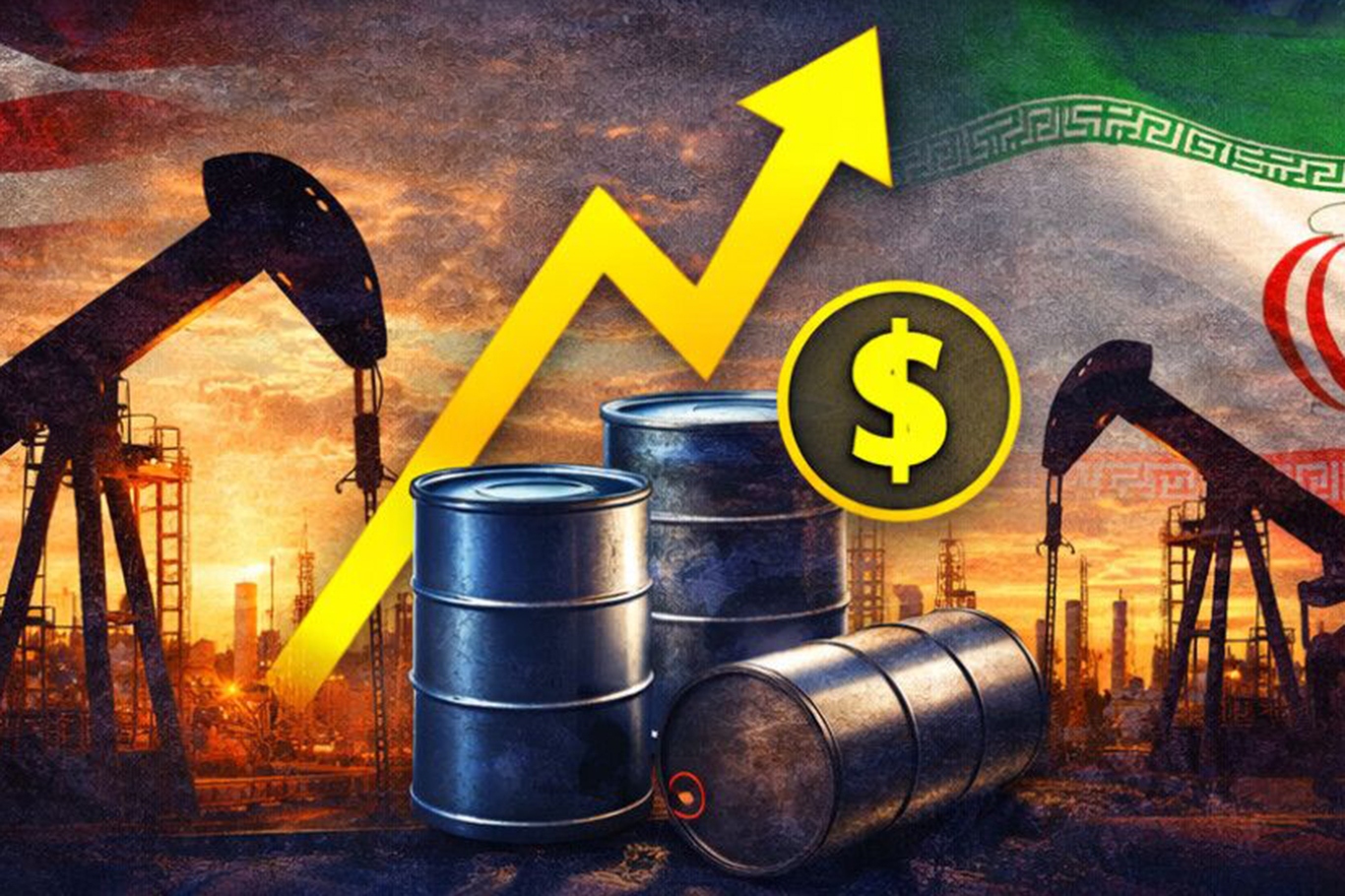
Trump wrote on Truth Social that “those days have long since passed,” adding that Washington had control of Iran’s money and the Strait of Hormuz. His comments came three days after he described the war as “militarily effectively over” following talks with Qatar’s prime minister, and said renewed strikes were unlikely. On November 2, he had suggested a settlement could be imminent, claiming Iran wanted an agreement.
Those earlier statements helped lift expectations that diplomacy could end the conflict. Brent fell roughly 25% from its late-October peak of $118 as traders reassessed the geopolitical risk premium. On Thursday, prices surged initially before paring gains.
Iran has shown little sign of easing its negotiating position. Mohsen Rezaee, secretary of Iran’s Supreme National Security Council, said Tehran would not remove enriched nuclear material from the country. Iran also claimed that four tankers had been hit by explosions over two days, including supertankers it said were attempting to use unauthorized shipping routes. The claims have not been independently verified.
Middle Eastern crude supplies have recovered considerably despite the diplomatic uncertainty. Saudi Arabia reported a 26% increase in October production, and Iraq has also raised output. The additional supply has weighed on prices, but shipments still rely on alternative routes, ship-to-ship transfers and military protection. Physical crude availability is improving, while shipping remains disrupted, leaving oil futures sensitive to diplomatic statements and threats against tankers.


Comments (0)
No comments yet. Be the first!